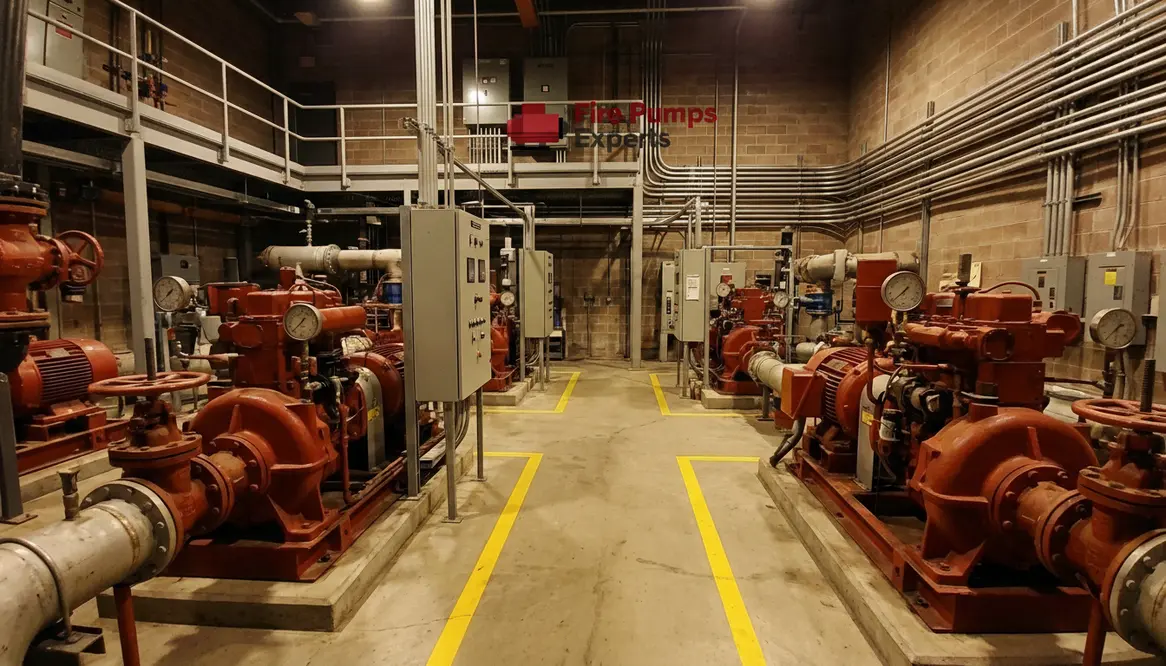
High Risk Fire Pump Planning for Chemical Operations
I have spent years walking through industrial corridors where a single spark could rewrite the day. In chemical processing facilities, fire protection is not just a box to check. It is a living system that must respond faster than human instinct. That is where High-risk fire pump planning for chemical operations comes into focus. Within the first moments of an incident, the fire pump becomes the quiet hero, pushing water or foam with calm authority. And yes, while it may not wear a cape, it absolutely saves the day more often than most action movie protagonists.
What makes fire pump systems critical in chemical facilities?
I like to think of a fire pump system as the heartbeat of a facility’s fire protection strategy. Without it, even the best designed suppression system struggles to perform. Chemical plants, in particular, deal with volatile materials, which means fires can escalate quickly and unpredictably. Therefore, a reliable pump ensures consistent pressure and flow, even when demand spikes.
Moreover, these environments often require more than just water. Foam systems, specialized suppression agents, and hybrid designs all depend on a properly engineered pump system. Consequently, every component must align with the facility’s hazard profile. It is less about overbuilding and more about building smart. Think of it like assembling a superhero team. You do not just pick the strongest characters. You pick the right mix.
High-risk fire pump planning for chemical operations in modern facilities
When I approach system planning, I focus on risk first, equipment second. Chemical facilities demand a tailored strategy because no two processes carry the same hazards. For instance, flammable liquids behave differently from reactive chemicals, and that difference shapes pump selection, capacity, and redundancy.
Additionally, I consider layout. Long pipe runs, elevation changes, and multiple hazard zones all influence pump performance. Therefore, I often recommend splitting systems or adding backup pumps to ensure no weak points exist. Redundancy is not excess here. It is survival.
Then comes compliance. Standards such as NFPA requirements guide decisions, but real world conditions refine them. I always say codes are the foundation, not the ceiling. And while regulations may not have a sense of humor, ignoring them is about as wise as bringing a candle to a fireworks show.
Key Planning Factors
- Hazard classification and material behavior
- Required flow and pressure levels
- System redundancy and backup power
- Integration with foam or chemical suppression
Operational Considerations
- Ease of maintenance access
- Monitoring and control systems
- Environmental and corrosion factors
- Future expansion capability
Designing for reliability and performance under pressure
Reliability is not a feature. It is the whole point. I design systems assuming the worst day will eventually come. Because in chemical processing, it usually does. That means selecting pumps that can handle continuous demand without failure.
Furthermore, I pay close attention to power sources. Electric pumps are common, yet diesel backups often provide that extra layer of assurance. If one fails, the other steps in. It is a tag team that would make any wrestling fan proud.
Monitoring systems also play a critical role. Modern facilities benefit from real time data, alerts, and automated testing. As a result, operators can spot issues before they escalate. And honestly, catching a problem early feels a lot better than explaining it later.
How do I ensure compliance and safety without overdesign?
I get this question a lot, and the answer is balance. First, I follow established standards closely. Then, I layer in site specific insights. This approach ensures that the system meets regulatory requirements while still addressing unique operational risks.
At the same time, I avoid the temptation to oversize everything. Bigger is not always better. In fact, oversized pumps can create inefficiencies and long term wear issues. Instead, I focus on precision. The right system, sized correctly, performs better and lasts longer.
Additionally, routine testing and maintenance plans are built into the design from day one. A system that cannot be easily tested is a system that will eventually fail. It is that simple.
Integrating fire pump systems with broader facility protection
No fire pump operates in isolation. It connects to alarms, suppression systems, and facility controls. Therefore, integration becomes essential. I ensure that when one system activates, the others respond in harmony.
For example, when a fire is detected, the pump must start immediately while alarms notify personnel and suppression systems engage. This coordination reduces response time and limits damage. It is a synchronized performance, not a solo act.
Moreover, I consider future upgrades. Facilities evolve, and protection systems must keep pace. Designing with flexibility in mind ensures that expansions or process changes do not require a complete overhaul.
High-risk fire pump planning for chemical operations and long term resilience
Long term resilience is where thoughtful planning truly shines. I look beyond installation and focus on lifecycle performance. This includes maintenance schedules, component durability, and operator training.
Equally important, I evaluate environmental conditions. Corrosive atmospheres, temperature extremes, and humidity can all impact system longevity. Therefore, material selection becomes critical. Stainless steel components, protective coatings, and proper housing all contribute to durability.
And let us be honest. A fire pump system that lasts decades without major issues is the kind of quiet success story that deserves its own documentary. Maybe not a blockbuster, but definitely worth a watch.
In practice, the facilities that perform best maintain a sharp focus on High-risk fire pump planning for chemical operations from the design table through daily operations. When budget pressures or schedule crunches appear, it is tempting to cut corners, but systems built with resilience in mind prove their value when the alarms sound and every second matters.
FAQ
Conclusion
If you are responsible for protecting a chemical facility, I encourage you to take a closer look at your fire pump strategy. The right system does more than meet code. It protects people, assets, and operations when it matters most. At https://firepumps.org, we focus on solutions built for complex commercial and industrial environments. Let us help you design a system that performs with confidence and stands ready when the unexpected happens, grounded in solid High-risk fire pump planning for chemical operations from day one.