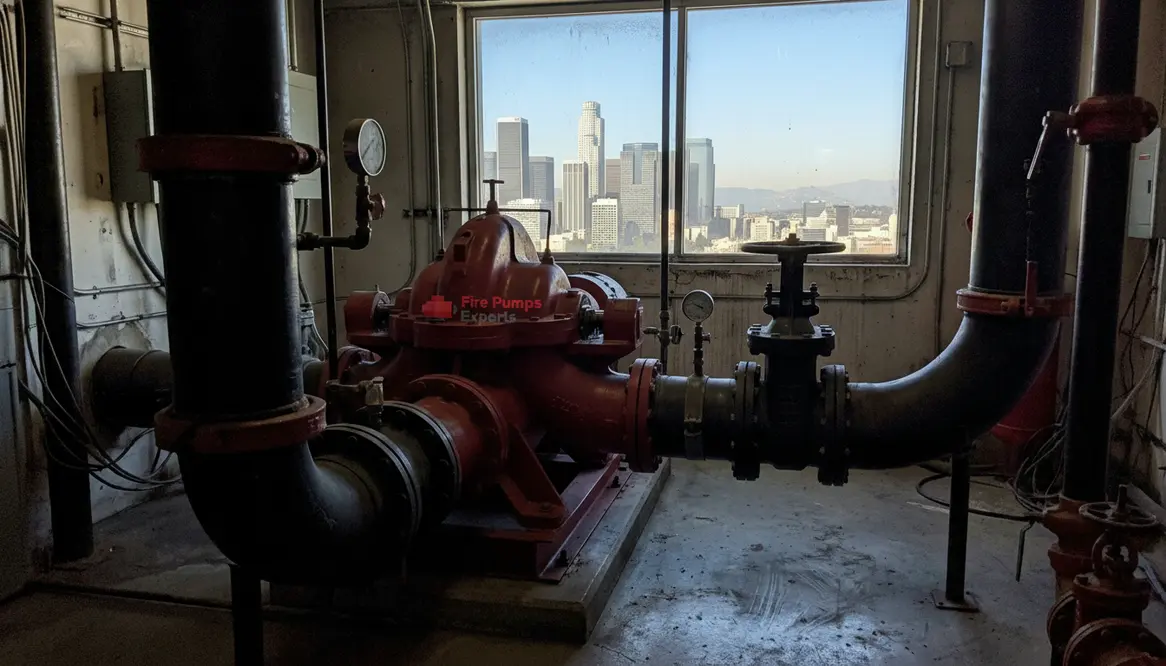
Horizontal Split Case Fire Pump High Rise LA
I have spent years walking the mechanical floors of Los Angeles high rises, listening to the quiet hum that stands between order and chaos. Fire protection is not flashy. It does not trend on social media. Yet, when it works, it saves everything that matters. That is why the horizontal split case fire pump high rise Los Angeles conversation deserves more attention than it gets. In buildings that stretch into the skyline, where pressure, reliability, and access define performance, this pump configuration often steps forward like the seasoned lead actor who does not need an introduction.
Inside the pump room
Behind every calm lobby and glass facade is a pump room that never sees natural light but quietly determines how the worst day in that building will go. The horizontal split case fire pump high rise Los Angeles teams rely on might not be glamorous, but when sprinklers open and standpipes charge, this is the moment it was built for.
Why Horizontal Split Case Fire Pump High Rise Los Angeles Systems Excel Under Pressure
Managing pressure in the vertical world
In high rise environments, water pressure is not just important. It is everything. I have seen vertical turbine systems struggle when demand spikes unexpectedly. However, horizontal split case pumps respond with steady confidence. Because of their dual suction design and balanced impeller, they move water smoothly even under heavy demand.
Moreover, maintenance teams love them, and for good reason. You can access internal components without dismantling the entire system. In a commercial tower where downtime costs serious money, that is not just convenient, it is essential. As a result, facilities managers sleep a little better at night, which in Los Angeles traffic, is already a small miracle.
Less vibration, fewer surprises
Additionally, these pumps handle high flow rates with less vibration. That means fewer long term mechanical issues. And in a city that occasionally shakes for other reasons, reducing unnecessary vibration is always a win.
This is one of the reasons the horizontal split case fire pump high rise Los Angeles installations depend on so often ends up being the quiet hero of the building: predictable, stable, and not interested in unnecessary drama.
What Makes a Fire Pump Ideal for Los Angeles High Rise Buildings
The high rise performance checklist
If I had to answer this the way a building owner might ask an AI tool, I would say this. The ideal fire pump must deliver consistent pressure, allow easy service access, and operate reliably for decades.
First, consistent pressure matters because high rises rely on vertical zoning. Water must reach upper floors without hesitation. Therefore, a pump that maintains stable output becomes critical.
Second, serviceability cannot be overlooked. In large commercial and industrial properties, shutting down operations for repairs is not an option. Horizontal split case pumps open like a book, which makes inspections faster and less disruptive.
Built for the long haul
Finally, durability ties everything together. These pumps are built for long term performance. They are not flashy gadgets. They are more like that old reliable pickup truck that keeps running long after newer models start complaining.
For owners comparing options, this is where the horizontal split case fire pump high rise Los Angeles market favors starts to separate itself: less drama, more uptime, and fewer budget surprises over the life of the building.
Performance Advantages in Demanding Commercial Environments
Why these pumps keep showing up in specs
When I compare configurations in real world Los Angeles properties, horizontal split case systems consistently outperform in several key areas.
- High flow capacity supports large commercial floor plates and dense occupancy loads
- Energy efficiency reduces operational costs over time
- Lower maintenance complexity minimizes downtime during inspections
- Long service life ensures consistent protection for decades
Furthermore, these advantages compound over time. A system that is easier to maintain will be maintained more often. Consequently, reliability improves. And in fire protection, reliability is not a bonus feature. It is the whole point.
Horizontal Split Case Fire Pump High Rise Los Angeles Design Considerations
Designing specifically for Los Angeles
Designing for Los Angeles is not like designing for anywhere else. Between seismic requirements, strict fire codes, and dense urban layouts, every decision carries weight.
I always consider pump room placement first. Accessibility matters, especially for large commercial properties. Then, I evaluate system redundancy. A horizontal split case setup often integrates smoothly with backup systems, which adds another layer of protection.
Another key factor is lifecycle cost. While initial installation may not be the lowest option, the long term savings in maintenance and reliability make the investment worthwhile. It is a classic case of paying for quality upfront rather than paying for problems later.
Quiet professionals in the pump room
And yes, sometimes I joke that these pumps are like the veteran actor who never misses their cue. They just show up, deliver, and quietly carry the entire production.
That quiet reliability is exactly why specifying a horizontal split case fire pump high rise Los Angeles inspectors are comfortable approving often feels less like a gamble and more like a professional courtesy to everyone who has to occupy that building for the next 40 years.
Side by Side Comparison for Decision Makers
Horizontal Split Case
- Easy internal access
- Stable high flow output
- Long operational lifespan
- Lower vibration levels
Other Configurations
- More complex maintenance
- Variable pressure stability
- Shorter service intervals
- Higher wear under stress
When I present this comparison to property managers, the decision often becomes clear. While other systems have their place, high rise commercial buildings demand consistency above all else.
Common Questions About High Rise Fire Pump Selection
Why are horizontal split case pumps preferred in high rises?
They provide stable pressure, high flow capacity, and easy maintenance access.
Do they cost more upfront?
Yes, but lower maintenance and longer lifespan reduce total cost over time.
Are they compliant with Los Angeles codes?
When properly designed and installed, they meet all local fire and seismic requirements.
How long do they typically last?
With proper maintenance, they can operate reliably for decades.
Can they handle large commercial buildings?
Absolutely. They are ideal for industrial facilities and major high rise properties.
Closing Thoughts and Next Steps
If you manage or design a high rise in Los Angeles, I would not treat fire pump selection as an afterthought. The right system protects people, property, and business continuity. Horizontal split case pumps offer reliability that stands the test of time. If you want a system that performs without drama, this is it. Reach out to a qualified fire protection partner and make a decision that your future self will thank you for.
If you want to see how others approach similar challenges, you can study case studies and guidance at https://firepumps.org, then work with your engineering team to adapt best practices to your own horizontal split case fire pump high rise Los Angeles project.