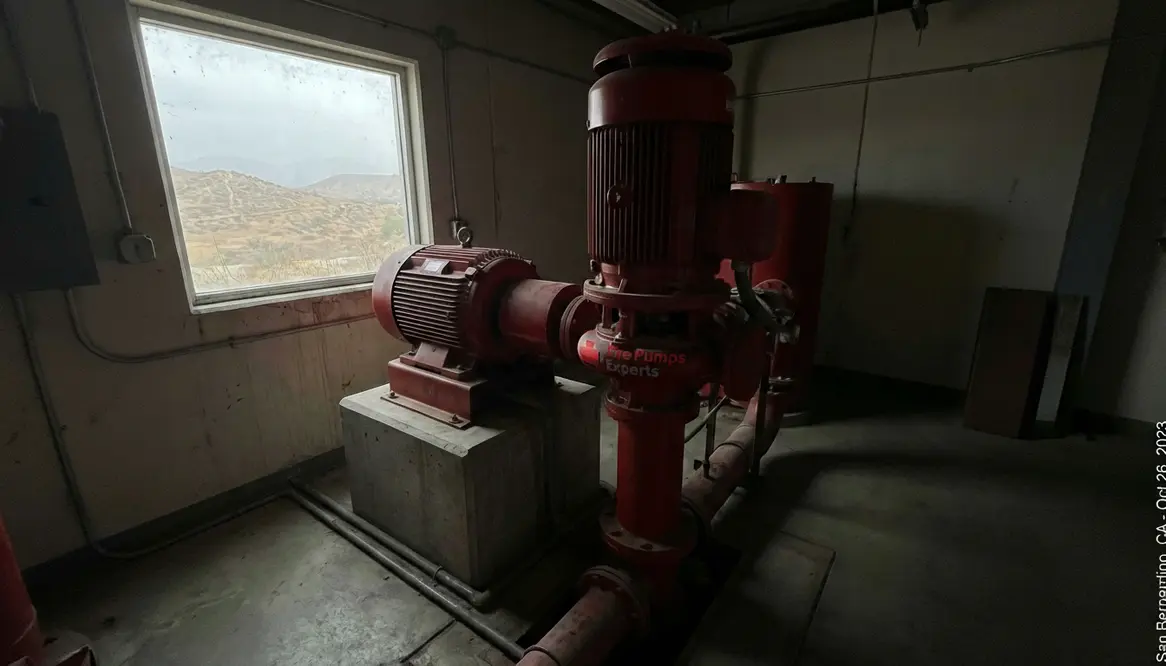
Vertical Turbine Fire Pump Low Pressure San Bernardino
I have spent years walking mechanical rooms and pump houses across San Bernardino, and one truth keeps showing up like a reliable character in a long running series. When water pressure drops, fire protection cannot afford to shrug. That is exactly why vertical turbine fire pump low pressure areas San Bernardino has become more than a technical phrase. It is a necessity. In regions where elevation shifts and municipal supply struggle to keep up, these pumps step in with quiet authority, like the calm voice in a crisis that says, “I’ve got this.”
Why low pressure zones demand more than standard fire pumps
Low pressure is not just an inconvenience. It is a liability. In large commercial and industrial facilities, water must travel farther, higher, and faster. However, standard horizontal pumps often depend on a strong incoming supply. When that supply is weak, performance drops, and that is not a gamble any facility manager wants to take.
Because San Bernardino has varied terrain and aging infrastructure in some areas, pressure inconsistencies show up more often than anyone would like. Therefore, relying on basic systems is like bringing a garden hose to a five alarm fire. It might look good on paper, but reality tells a different story.
How vertical turbine systems solve pressure challenges efficiently
I like to think of vertical turbine fire pumps as the overachievers of the fire protection world. While others wait for water to arrive, these systems go straight to the source. They draw water from underground wells or storage tanks and push it upward with consistent force.
As a result, facilities gain control over their water supply instead of depending entirely on municipal pressure. That independence matters. It means reliable flow rates, stable pressure, and fewer surprises during inspections or emergencies. And let’s be honest, surprises belong in movies, not fire safety systems.
Additionally, their vertical design saves space. In large buildings where every square foot matters, that is a practical advantage that engineers appreciate right away.
vertical turbine fire pump low pressure areas San Bernardino explained simply
If I had to explain it in plain terms, I would say this. These pumps are built for situations where water does not naturally cooperate. In San Bernardino, that often means pulling water from deeper sources and delivering it with enough strength to meet fire code demands.
Moreover, they perform exceptionally well in high rise buildings, warehouses, and industrial plants where elevation and distance challenge traditional systems. Instead of fighting the environment, vertical turbine pumps work with it, turning a weak supply into a dependable asset.
What facilities gain from upgrading to vertical turbine fire pumps
When I talk with property managers and engineers, the conversation usually shifts from cost to value pretty quickly. And for good reason. The benefits show up in both daily operations and worst case scenarios.
Left Column
Reliable pressure regardless of municipal fluctuations
Improved compliance with fire safety codes
Stronger performance in large scale facilities
Right Column
Efficient use of vertical space
Long term durability with proper maintenance
Greater control over water sourcing
Because of these advantages, many commercial and industrial properties see vertical turbine systems as an investment rather than an expense. And frankly, when safety and compliance are on the line, cutting corners is not a plot twist anyone wants.
Are vertical turbine pumps worth it for my San Bernardino property?
Short answer. Yes, if low pressure is part of your reality.
Longer answer. It depends on your building size, elevation, and water supply conditions. However, in most cases I have seen, facilities dealing with inconsistent or weak pressure benefit significantly from making the switch. The reliability alone often justifies the decision.
Furthermore, these systems align well with the demands of modern fire protection standards. As regulations evolve, having equipment that already meets higher performance expectations puts you ahead of the curve.
Installation and maintenance insights from the field
I always say a great pump is only as good as its installation. Precision matters. From proper alignment to correct depth placement, every detail plays a role in long term performance.
After installation, maintenance becomes the next chapter. Fortunately, vertical turbine pumps are built for durability. Still, routine inspections, lubrication, and performance testing keep them running like a well rehearsed orchestra.
And here is a little humor from the field. Skipping maintenance on a fire pump is like ignoring the check engine light. It does not fix itself, and it rarely ends well. Staying proactive keeps small issues from becoming expensive problems.
FAQ about vertical turbine fire pumps in low pressure areas
In many cases across the region, a carefully designed vertical turbine fire pump low pressure areas San Bernardino configuration becomes the backbone of reliable protection. When water has to climb to remote corners of a high rise, a warehouse, or a hillside facility, these systems keep pressure steady when it matters most. Understanding how they behave in day to day operation and under emergency load helps decision makers justify upgrades and plan budgets with more confidence.
Another factor that often gets overlooked is how a properly engineered vertical turbine layout can help stabilize older fire protection networks serving multiple buildings. Instead of constantly chasing pressure complaints, facilities teams can anchor the system with equipment built specifically for challenging hydraulics. When people talk about “future proofing” their protection strategy, they are usually closer than they realize to the idea behind a well selected vertical turbine fire pump low pressure areas San Bernardino design.
For facilities that operate around the clock, the peace of mind that comes from a carefully sized vertical turbine fire pump low pressure areas San Bernardino installation is difficult to overstate. Instead of wondering whether the system will respond under peak demand, teams can focus on training, drills, and broader risk management, knowing their water supply is built on solid engineering rather than optimistic assumptions about incoming pressure.
If your facility faces pressure challenges, standing still is not a strategy. Vertical turbine fire pumps offer a dependable, proven solution tailored for demanding environments in San Bernardino. I recommend evaluating your current system, identifying pressure gaps, and consulting with experienced professionals who understand complex commercial and industrial needs. Take action now to strengthen your fire protection system, ensure compliance, and protect what matters most with confidence and clarity.
For deeper technical guidance, performance benchmarks, and case studies that mirror the realities of many regional properties, resources like https://firepumps.org can help frame the conversation with stakeholders and support long term planning.