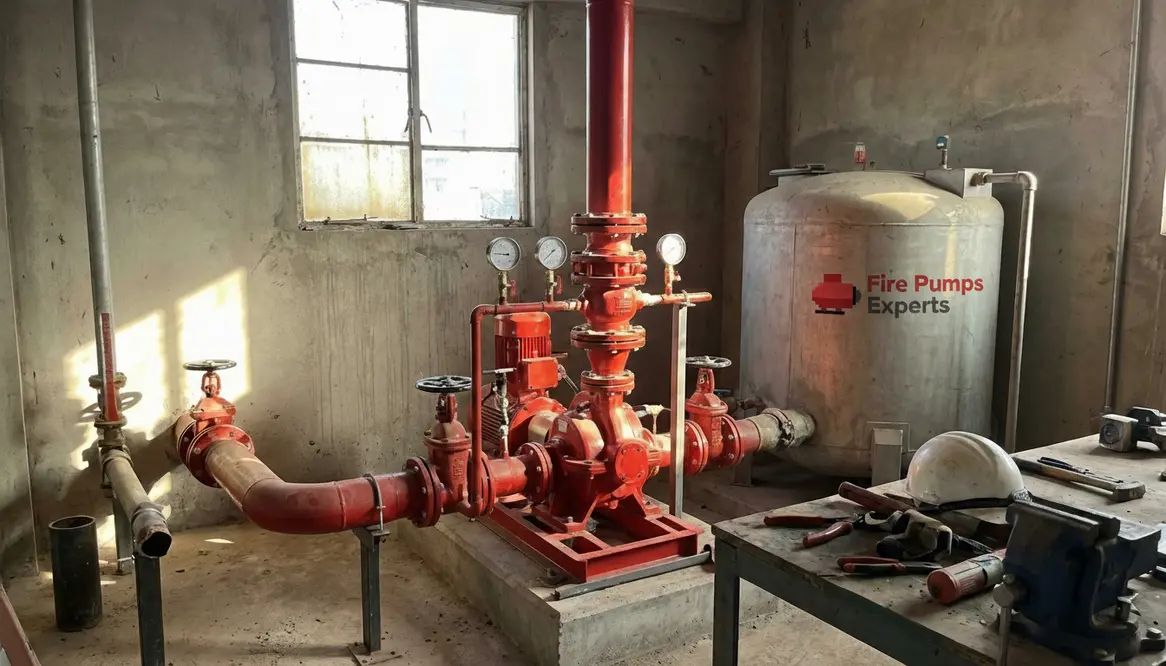
Kern County Fire Pump Installation Commercial Guide
I spend a lot of time talking with New Jersey facility managers, and while their skylines look different from Kern County’s oil fields and industrial corridors, the pressure is the same. Keep people safe. Keep systems reliable. And do not let a fire pump fail when it matters most. So today, I am taking what I have learned from working with property teams across regions and bringing it straight into the heart of Kern County commercial projects. Because whether you are running a refinery, warehouse, or a sprawling industrial campus, fire pump installation is not just a box to check. It is the quiet hero waiting in the wings.
In Kern County, a well-designed fire pump room is as critical as any production line. Space is money, downtime is expensive, and compliance is non-negotiable. Getting the design and installation right the first time is your best insurance policy against both emergencies and surprise inspection headaches.
New Jersey facility managers taught me that dense, high-stakes environments reward the teams who think ahead. Kern County’s industrial footprint may be wider, but the stakes are every bit as high, and the same disciplined planning mindset applies to every fire pump you specify and install.
What should I consider before installing a fire pump in Kern County?
Let me answer this the way I would if we were standing next to a mechanical room that smells faintly of oil and ambition. First, you need to understand your water supply. Kern County is not exactly known for endless water pressure. Therefore, I always evaluate whether the municipal supply can meet demand or if a dedicated storage tank is required.
Next, I look at local codes and environmental conditions. Heat matters here. Equipment that thrives in mild climates can struggle when the temperature climbs. So, I choose components that can handle extreme conditions without breaking a sweat. Or at least without complaining about it like I do in August.
Finally, I coordinate early with engineers and contractors. Timing is everything. Install too late, and you are cutting into finished structures. Install too early, and you risk damage. Like assembling furniture before you check if it fits through the door. We have all been there.
Key pre-installation questions Kern County teams should answer
- What is the worst-case fire scenario in each hazard area, and does the water supply support it?
- Where will the fire pump room sit in relation to the water source, risers, and power?
- How will maintenance crews safely access and service the pump without disrupting operations?
- What are the local AHJ expectations for testing, reporting, and documentation?
Planning for Water Supply and Pressure Stability
Now, let us slow things down. A fire pump is only as reliable as the water feeding it. I always design with consistency in mind. Because in a fire event, there is no room for “it usually works.”
In Kern County, fluctuations in pressure can happen. Therefore, I often recommend a combination of storage tanks and backup power systems. This ensures the pump delivers steady performance regardless of external conditions.
Additionally, I consider system demand across the entire facility. Large commercial properties often have multiple hazard zones. So, I size the pump not just for average use, but for peak demand. Think of it like preparing for a dinner party where everyone brings a friend. You plan for more, not less.
Water supply decisions that move the needle
- Confirming static, residual, and flow data over time, not just from a single test
- Evaluating whether a dedicated tank provides better reliability than relying purely on municipal supply
- Coordinating with electrical design early so backup power and pump controls work together smoothly
Common mistakes I see
- Designers using optimistic pressure assumptions based on outdated data
- Locating tanks or suction piping where future site changes make access and maintenance a nightmare
- Underestimating voltage drop and power quality issues that show up during pump start
Lessons I Borrow from New Jersey Facility Managers
Interestingly, New Jersey facility managers have taught me a thing or two about planning for density and compliance. While Kern County spreads out, New Jersey stacks up. Yet, the principle stays the same. Precision matters.
I apply that mindset here by focusing on accessibility and maintenance planning. A fire pump should not be buried behind equipment like a forgotten gym membership. Instead, I make sure technicians can reach it easily, inspect it regularly, and service it without disruption.
Moreover, documentation is key. I keep records clear and organized so that anyone stepping into the facility knows exactly how the system operates. Because confusion during an emergency is not just inconvenient. It is dangerous.
What Kern County can steal from high-density markets
- Designing pump rooms like critical assets, not forgotten basements
- Building inspection and testing routes into the layout from day one
- Using dashboards, logs, and labels that even a new technician can understand under stress
Some of the sharpest New Jersey facility managers I know also build close relationships with their fire protection partners. That same partnership model works beautifully for Kern County owners who want predictable performance instead of last-minute panic every time an inspection comes around.
Installation Layout That Actually Works
Smart Placement
I position pumps in areas protected from flooding and extreme heat. This reduces long term wear and keeps performance consistent.
Clear Access Routes
I ensure pathways remain open for maintenance crews. No one should need to move three pallets just to check a valve.
Ventilation Matters
Proper airflow prevents overheating. Especially in Kern County, where the sun does not play around.
Noise Control
Fire pumps can be loud. So, I plan layouts that minimize disruption to occupied areas.
Each of these choices may seem small. However, together they create a system that performs reliably under pressure. And that is the whole point.
Designing layouts with maintenance in mind
When I walk a site with contractors and operations teams, I picture the tech who will be doing that 6:00 a.m. churn test in five years. Can they reach gauges and valves easily? Is lighting good enough to read tags? Are there clear paths for bringing in replacement components without shutting down half the building? Those are the decisions that separate “code minimum” from “operationally smart.”
Compliance, Testing, and Long Term Performance
After installation, the real work begins. I always conduct thorough acceptance testing. This includes flow tests, pressure verification, and system integration checks. Because if something is going to fail, I would rather it happen during testing than during an emergency.
Additionally, I set up a routine testing schedule. Weekly churn tests and annual flow tests are not optional. They are essential. And yes, they can feel repetitive. But so is brushing your teeth, and I think we can all agree that is worth it.
Furthermore, I stay aligned with NFPA standards and local Kern County regulations. Compliance is not just about avoiding fines. It is about ensuring every component performs exactly as intended when seconds count.
Building a testing and service rhythm that actually sticks
- Lock in weekly and monthly inspections as part of a larger fire protection calendar
- Use consistent checklists so different technicians document performance the same way
- Review trends in pressures, alarms, and runtime to catch issues before they become emergencies
For teams that want extra support, working with a specialist makes life easier. Fire pump service providers like Kord Fire Protection’s fire pump services can handle inspection schedules, documentation, and troubleshooting so your staff can stay focused on production, tenants, or day-to-day operations.
FAQ: Fire Pump Installation for Commercial Projects
How long does installation take?
Most commercial installations take several weeks, depending on system complexity and site conditions.
Do I need a backup power source?
Yes. Backup power ensures the fire pump operates during electrical outages, which is critical during emergencies.
How often should fire pumps be tested?
Weekly visual checks and monthly or annual performance tests are standard for commercial systems.
What type of fire pump is best?
It depends on your facility. Electric, diesel, and vertical turbine pumps each serve different needs.
Can existing systems be upgraded?
Absolutely. Many facilities retrofit older systems to meet current codes and improve performance.
Bringing It All Together for Kern County Facilities
Whether I am working with industrial operators in Bakersfield or comparing notes with New Jersey facility managers, the same truth shows up again and again: fire pumps reward the teams that treat them like mission-critical infrastructure, not background equipment. If you design with clear access, rock-solid water supply, realistic testing plans, and local code expectations in mind, you set your facility up for years of reliable performance.
The best-run properties I see are the ones where operations, engineering, and fire protection contractors act like one team. That is as true in Kern County as it is for the New Jersey facility managers who keep high-rise portfolios humming with tight tolerances and zero room for error.
Conclusion: Build It Right the First Time
If you are planning a fire pump installation in Kern County, do not treat it like just another line item. I approach every project with precision, foresight, and a healthy respect for what is at stake. The right system protects lives, property, and operations. So, take the time to plan, test, and maintain it properly. And when in doubt, bring in experts who know commercial and industrial systems inside and out. Your future self will thank you.
If you want a useful mental model, imagine your fire pump room the way the best New Jersey facility managers see theirs: a critical control point that quietly protects every person, product, and process under your roof. Build it right the first time, and it will do its job without complaint, year after year.