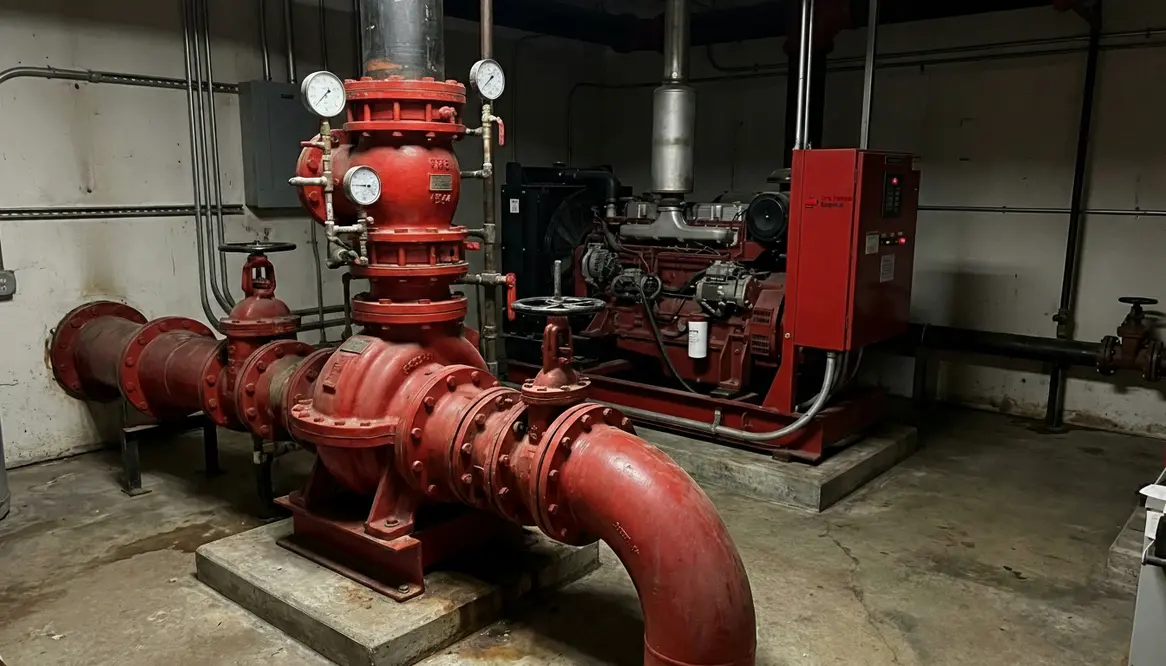
Life Safety Fire Pumps for Large Buildings
Inside every calm, towering structure is a network of systems that never sleep. Among them, life safety fire pumps quietly carry the weight of the building’s confidence when it matters most.
I have spent years around large buildings that seem to hum with quiet confidence. Behind that calm, however, sits a system that never sleeps. Our life safety fire pumps play a central role in that silent promise of protection. They are not flashy. They do not make headlines. Yet, when everything else hesitates, they move water with purpose and precision. In commercial towers, industrial plants, and sprawling facilities, these systems stand ready like a seasoned actor who knows their cue will come, even if the audience never sees them.
Why this hidden system matters
When people picture safety in a high rise, they usually think of alarms and sprinklers. The reality is that without dependable pressure from life safety fire pumps, those sprinklers can sputter when they should be saving property, operations, and lives.
How Fire Pumps Support Life Safety in Large Buildings
When I walk through a high rise mechanical room, I often think of fire pumps as the heartbeat of the fire protection system. Sprinklers alone are not enough. They need pressure. They need consistency. That is where fire pumps step in, boosting water flow exactly when demand spikes.
Moreover, in large commercial properties, municipal water pressure often falls short. Without reinforcement, upper floors would receive little more than a polite drizzle. Fire pumps correct that imbalance instantly. As a result, they ensure that water reaches every corner, from basement storage to top floor server rooms.
And yes, while it sounds dramatic, this is the difference between a controlled incident and a full scale disaster. Think of it like giving your sprinkler system a strong cup of coffee before a long shift. Suddenly, it is alert, responsive, and ready to perform.
Key ways life safety fire pumps protect large buildings
- Deliver adequate water pressure to every level, including top floor occupancies.
- Stabilize flow when multiple sprinkler zones or standpipes activate simultaneously.
- Compensate for weak municipal water supplies or on-site storage limitations.
- Support code-required systems that protect high value equipment and life safety features.
Why Pressure Matters More Than You Think
Pressure is not just a technical detail. It is the force that turns a system into a safeguard. Without proper pressure, even the most advanced sprinklers cannot deliver effective coverage.
In industrial environments, the stakes climb even higher. Facilities often house volatile materials, sensitive equipment, and high value inventory. Therefore, maintaining strong and stable water pressure becomes essential. Fire pumps regulate that pressure with precision, adapting to system demands in real time.
Additionally, modern systems integrate controllers that monitor performance continuously. If something drifts out of range, adjustments happen fast. It is less guesswork and more orchestration. Like a conductor guiding an orchestra, except the instruments are valves, motors, and a lot of water.
When pressure is right
- Sprinklers form full, overlapping spray patterns.
- Standpipe hose valves deliver usable flows for firefighters.
- Critical areas like data rooms and mechanical spaces receive consistent coverage.
When pressure is wrong
- Spray patterns collapse into weak streams.
- Upper floors or remote zones see little to no water.
- Fire growth can outrun the system’s ability to respond.
What Happens When Fire Pumps Fail?
Let me be direct. When fire pumps fail, the entire protection strategy weakens. Sprinklers lose effectiveness. Response times stretch. Damage escalates quickly.
However, failure rarely happens without warning. Most issues stem from poor maintenance, aging components, or improper installation. That is why routine testing is not optional in commercial and industrial settings. It is essential.
Furthermore, codes and standards require regular inspections for a reason. These systems must perform under pressure, literally. Skipping maintenance is like ignoring the check engine light and hoping the car fixes itself. It will not. And the consequences are far less forgiving.
Common warning signs of trouble
- Missed or incomplete weekly churn tests or annual flow tests.
- Unusual vibration, noise, or temperature at the pump or driver.
- Visible leaks, corrosion, or damaged gauges and valves.
- Alarms or trouble signals on the fire pump controller that go unexplained.
The Engineering Behind Reliable Fire Pump Systems
I always find the engineering side fascinating. Fire pumps are not one size fits all. Each system is tailored to the building it protects. Factors like height, layout, hazard level, and water supply all influence design.
Consequently, engineers select pump types carefully. Electric, diesel, and vertical turbine pumps each serve specific roles. Controllers, backup power, and redundancy plans add layers of reliability.
Below is a simple comparison that highlights how different setups serve different needs:
Electric Fire Pumps
Best for buildings with stable power supply
- Quiet operation
- Lower emissions
- Efficient for consistent use
Diesel Fire Pumps
Ideal for backup or unreliable power conditions
- Independent of electrical grid
- Strong performance in emergencies
- Requires fuel maintenance
Because no two facilities are identical, customization ensures that performance aligns with real world demands. It is less about picking a pump and more about building a system that thinks ahead.
If you want to see how full service providers approach design and ongoing testing for complex properties, exploring a resource like Kord Fire’s overview of fire pump services at https://kordfire.com/orange-county-fire-protection/ can offer helpful context on how these systems fit into a broader protection strategy.
How I See Maintenance Protecting Long Term Safety
I have seen well maintained systems perform flawlessly after years of quiet standby. On the other hand, neglected systems tend to fail at the worst possible moment. That contrast is not subtle.
Routine testing verifies flow rates, pressure levels, and mechanical integrity. In addition, weekly and annual checks keep components in working order. This includes controllers, valves, and power sources.
More importantly, maintenance creates confidence. Facility managers can trust that their fire protection system will respond without hesitation. And in large scale commercial environments, that trust is priceless.
Also, let us be honest. No one wants to explain to stakeholders why a preventable failure turned into a major loss. It is not a fun meeting.
Maintenance habits that pay off
- Documenting every weekly churn test and annual flow test.
- Addressing minor leaks, alarms, or anomalies immediately instead of waiting.
- Training on site teams to understand what normal operation looks and sounds like.
- Partnering with specialists who focus on life safety fire pumps and related systems.
Life Safety Fire Pumps in Modern Commercial Infrastructure
Today’s buildings are smarter, taller, and more complex than ever. As a result, life safety fire pumps have evolved alongside them. Integration with building management systems allows real time monitoring and faster diagnostics.
Additionally, sustainability goals influence system design. Efficient motors and optimized performance reduce energy use without compromising safety. It is a balance that modern facilities must achieve.
In data centers, manufacturing plants, and high rise offices, these systems do more than meet code. They protect operations, assets, and lives simultaneously. That is a heavy responsibility, handled quietly and consistently.
In other words, when you plan upgrades or new construction, you cannot treat life safety fire pumps as an afterthought. They belong right alongside power reliability, IT resilience, and life safety systems in your early design conversations.
FAQ About Fire Pumps in Large Buildings
Below are answers to some of the questions I hear most often about these systems and how they behave in real buildings.
Conclusion
If you manage or design a commercial or industrial facility, do not leave fire protection to chance. The right system, properly maintained, makes all the difference when seconds count. I encourage you to evaluate your current setup, invest in expert guidance, and ensure your building stands ready for the unexpected. Because in the end, safety is not just a feature. It is a responsibility worth getting right. That responsibility absolutely includes the quiet, essential performance of your life safety fire pumps and the people who keep them ready.