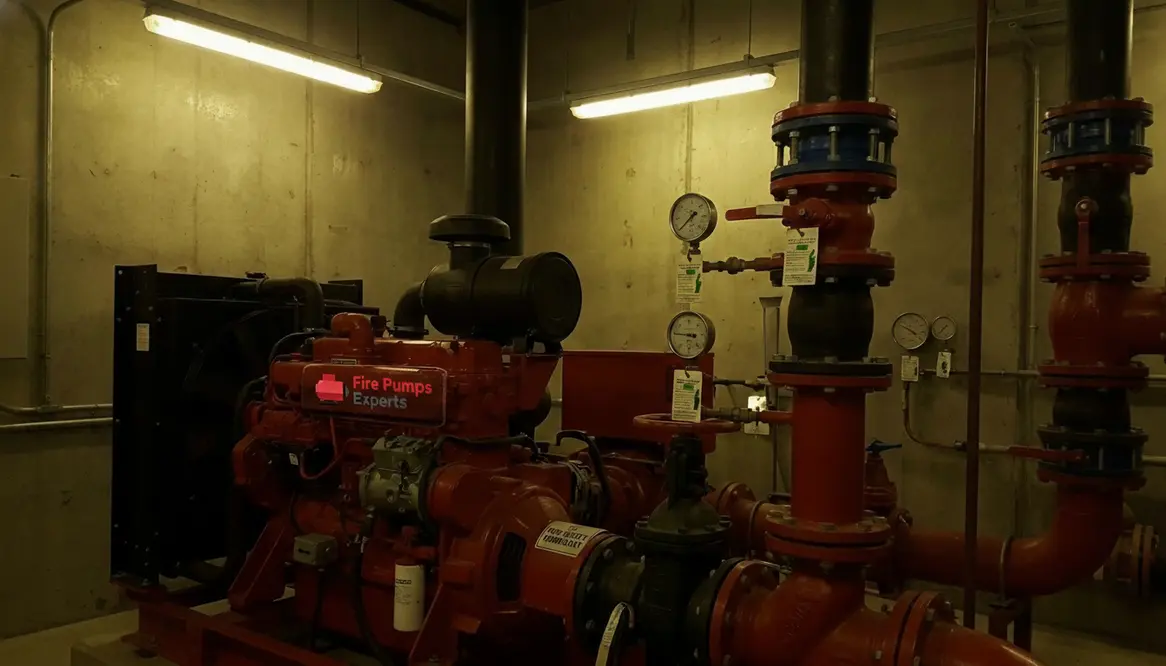
New Zealand Fire Pump Requirements for Buildings
New Zealand Fire Pump Requirements Explained
When I look at fire protection for big buildings, I like to keep it simple: if the water supply cannot keep up, a fire pump steps in and saves the day. In New Zealand requirements for commercial and industrial sites, and for major property buildings, fire pumps play a critical role in keeping sprinkler and hydrant systems ready when pressure drops. I am talking about the kind of places where a weak water flow is not just annoying, it is a serious risk. So, let us break down what matters, why it matters, and how I would approach it without turning the whole thing into a scene from a slow office drama.
What a fire pump does in a commercial building
I think of a fire pump as the muscle behind the system. If the site demand is higher than the water supply can provide, the pump boosts pressure and flow so sprinklers, hose reels, or hydrants can do their job. That matters most in large commercial and industrial facilities, where pipe runs are long, water demand is high, and the stakes are higher than a season finale cliffhanger.
In practical terms, I always ask two questions first: can the water source meet the demand, and does the system need backup support? If the answer is no to either one, a fire pump usually enters the chat.
Why pressure and flow matter so much
Sprinkler heads, hydrants, and hose reels are all designed around a certain pressure and flow. If the system cannot reach those levels, you end up with weak spray patterns, short reach, and poor cooling. In a real fire, that gap between design performance and actual performance is where serious damage and long downtime begin.
A properly selected fire pump closes that gap. It pushes water through long pipe runs, lifts it through multiple storeys, and keeps the system operating inside its design envelope. When I look at New Zealand requirements for big commercial and industrial buildings, that consistency under stress is exactly what regulators expect to see.
New Zealand requirements for pump setup and design
Under New Zealand requirements, I need to look at the whole system, not just the pump itself. The design must match the building’s fire risk, the water source, and the protection system in use. That means I check the expected flow, pressure needs, pump type, power supply, and the way the pump links into the wider fire system.
Most commercial and industrial sites need the pump to support the system under real fire conditions, not just under nice calm test conditions. Fancy on paper means nothing if the pressure falls flat when the heat turns up. The pump also needs enough room for access, maintenance, and testing. In other words, no hiding it behind a stack of “temporary” boxes that somehow become permanent.
Key design checks before signing off
- Is the pump sized to meet the worst credible fire scenario, not just the average one?
- Does the suction source stay reliable when the network is under stress?
- Can the discharge pressure still meet system demands after friction losses and elevation gains?
- Is the pump room protected, drained, and accessible during an emergency?
- Do controls, alarms, and monitoring align with the building’s fire strategy and the New Zealand requirements that apply to that type of property?
How I assess pump types and power supply
I usually start with the pump type because that choice shapes everything else. Some sites use electric pumps, while others need diesel backup or a mix of both. The choice depends on how reliable the power supply is and how much risk the building carries. For a large site, I do not like single points of failure. They have a bad habit of making life exciting in the wrong way.
To make this easier, I break the decision into two parts:
| Dual column one | What I check |
| Water source | Does the supply give enough flow and pressure? |
| Power supply | Will the pump keep working if normal power fails? |
| Site demand | Does the building need light, medium, or heavy fire protection support? |
| Access | Can crews test, inspect, and maintain the unit easily? |
That kind of review keeps the system grounded in real use, not wishful thinking. And yes, wishful thinking is great for holiday plans, but not for fire protection.
Balancing electric and diesel options
Electric pumps are clean, fast to start, and simple to maintain when power is dependable. Diesel-driven pumps bring resilience when the grid is shaky or when the building’s risk profile is high enough that a power cut during a fire is not just possible, it is likely. For critical facilities, a combination of electric duty and diesel standby often lines up best with New Zealand requirements for continuity of protection.
Testing, maintenance, and compliance checks
A fire pump is only useful if it works when needed, so testing matters a lot. I always treat testing as part of the system, not as a boring extra. Regular checks help confirm that the pump starts correctly, holds pressure, and responds fast enough. They also show whether the controller, fuel supply, valves, and alarms all behave as they should.
Maintenance is just as important. Over time, parts wear out, seals fail, and small issues turn into expensive problems. I make sure the site keeps a clear service schedule, records each inspection, and fixes faults quickly. That is where New Zealand requirements become practical rather than theoretical. Compliance is not a paper trophy. It is proof that the system can do the job.
What a solid maintenance routine looks like
- Routine start tests so the pump actually turns on when called.
- Regular checks on suction and discharge pressures under controlled flow.
- Inspection of fuel levels, batteries, lubrication, and cooling where relevant.
- Verification that alarms report to the right places and that fault signals are acted on.
- Annual performance testing to confirm the pump still meets the original design duty.
What commercial and industrial sites should plan for
If I were managing a large property, I would plan for more than just installation. I would think about access for service teams, room for the pump set, backup power, water storage, and the changing needs of the building over time. A site that grows can outgrow its fire system faster than a streaming subscription price goes up.
It also helps to work with specialists who understand commercial and industrial fire protection, because these systems need proper design and ongoing care. If you want a useful place to start, I would look at commercial fire pump solutions in New Zealand for guidance that fits major properties and larger facilities. That keeps the focus on what matters most: performance, safety, and compliance.
Keeping pace with changing buildings
Fit‑outs, tenant changes, storage height increases, and new processes can all push a fire protection system beyond what it was originally built to handle. Every significant change is a signal to revisit the pump duty, water supplies, and the way the system satisfies New Zealand requirements for that class of building.
A periodic review is much cheaper than learning, mid‑emergency, that the demand side of the equation has moved and the pump never got the memo.
Frequently Asked Questions
Conclusion
If you manage a commercial or industrial site, I would not leave fire pump planning to chance. A proper system should match the building, meet New Zealand requirements, and stay ready through regular testing and maintenance. If you want confidence instead of crossed fingers, now is the time to act. Review your site, check your pump setup, and speak with a specialist who understands major properties. That one step can make a very large difference when it matters most.