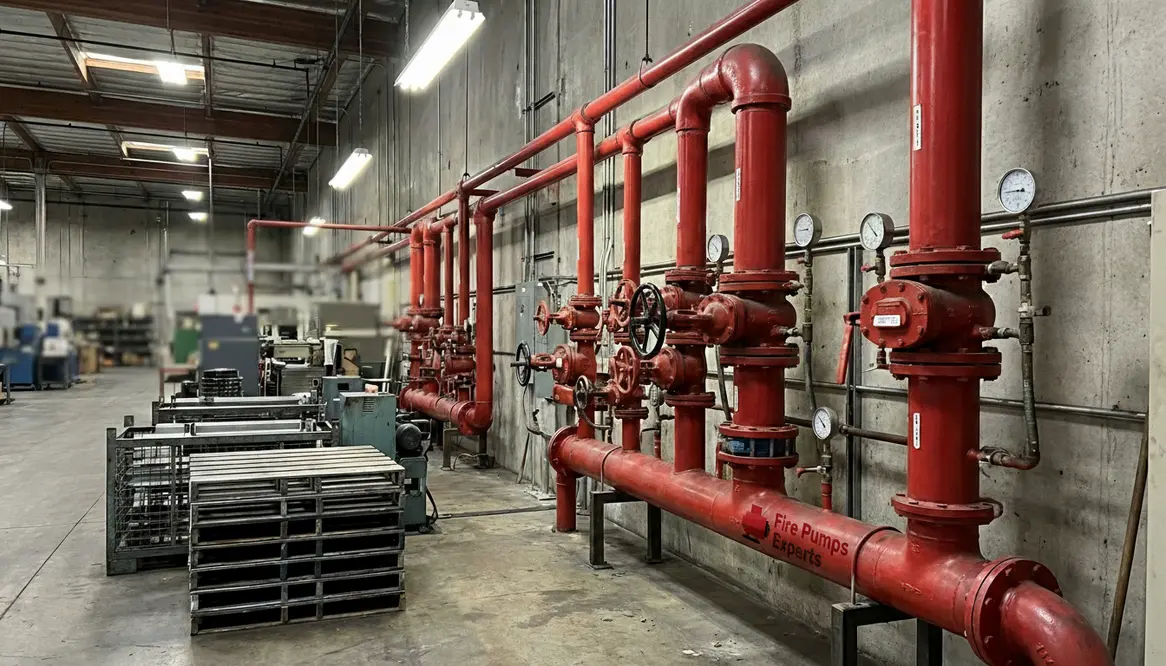
South Gate Manufacturing Fire Suppression Water Systems
Inside South Gate’s manufacturing floors, the machines might get the attention, but it’s the suppression water systems behind the walls that decide how bad a bad day becomes.
I have walked through many manufacturing plants in South Gate. The hum of machines. The smell of hot metal. The rhythm of production that never really sleeps. However, beneath that constant movement lies something far less glamorous but far more important. Safety. In particular, the south gate manufacturing facility fire suppression water infrastructure that stands ready when things go sideways.
Because let’s be honest. Manufacturing environments can be unpredictable. One overheated motor, one spark in the wrong place, and suddenly you have a situation that escalates faster than a superhero origin story. Therefore, well designed fire suppression water systems are not just another line item on a construction budget. They are the quiet guardians of the building, waiting patiently like the calm voice in the background saying, “And then… the sprinklers did their job.”
Today I want to walk through how modern fire suppression infrastructure works for industrial facilities in South Gate, why thoughtful engineering matters, and how the right system protects both property and productivity.
What Makes Industrial Fire Suppression Infrastructure Different?
When people think about sprinklers, they usually imagine the little heads in an office ceiling that go off when someone burns popcorn in the microwave. Manufacturing facilities are a different world entirely.
1. Scale That Stretches Beyond Office Thinking
First, the scale is larger. A single facility can span hundreds of thousands of square feet with varying fire risks from machining areas to storage racks. Therefore, suppression systems must adapt to multiple hazard classifications within one building.
2. Heavy Water Demand And Serious Hydraulics
Second, the water demand is much higher. Industrial processes often require suppression flows that dwarf what standard municipal supply lines can deliver on their own. As a result, engineers design systems that combine pumps, storage tanks, and carefully calculated distribution networks.
3. Higher Stakes For Every Minute Of Downtime
Third, the stakes are higher. These facilities house expensive equipment, critical inventory, and continuous production schedules. Even a small fire can halt operations for weeks. Nobody enjoys explaining that downtime to upper management. Trust me.
Because of this, the fire protection strategy focuses on fast response, reliable water pressure, and system redundancy. In other words, the system must work immediately and without hesitation.
Building a Reliable Water Backbone for Manufacturing Facilities
Every suppression system begins with water. Not just any water supply, but a dependable and high volume source capable of delivering flow when the alarm sounds.
In South Gate industrial districts, municipal water can provide a strong foundation. However, many large facilities require additional support to meet fire code flow requirements. Therefore, engineers often integrate dedicated infrastructure elements that strengthen the system and shape a resilient south gate manufacturing facility fire suppression water infrastructure.
Core Elements Of The Water Backbone
Fire pumps that boost pressure and ensure water travels through long pipe networks across expansive plants. For complex facilities, partnering with a full service team like Kord Fire Protection’s fire pump and system specialists helps align design, performance, and code requirements.
On site storage tanks that hold reserve water when municipal supply cannot meet peak suppression demand.
Large diameter underground mains that distribute water efficiently throughout the facility.
Control valves and monitoring systems that keep everything ready while providing instant diagnostics.
Consequently, this layered design allows the suppression network to deliver thousands of gallons per minute when needed. It is not dramatic to say the system must behave like a fire hydrant with a gym membership.
Designing the South Gate Manufacturing Facility Fire Suppression Water Infrastructure for Real World Hazards
Designing a system on paper is easy. Designing one that works during a real emergency requires experience and foresight.
Manufacturing environments introduce unique hazards that influence suppression design. For example, facilities may store flammable liquids, combustible dust, plastics, or palletized goods stacked high in storage racks. Each of these risks demands different sprinkler densities and water delivery strategies within the broader south gate manufacturing facility fire suppression water infrastructure.
Critical Design Factors Engineers Evaluate
- Hazard classification. Different processes require specific suppression densities and coverage patterns.
- Ceiling height. High bay manufacturing floors can delay heat detection and sprinkler activation.
- Storage configuration. Rack storage dramatically changes water demand calculations.
- Process equipment layout. Machinery placement influences sprinkler placement and water distribution.
Additionally, designers account for potential future expansion. A manufacturing plant rarely stays static. Production lines change. Storage areas expand. New technologies arrive.
By planning ahead, engineers create infrastructure that supports future upgrades without requiring complete system replacement. And that kind of foresight makes facility managers sleep a little easier at night.
Key Components That Keep Industrial Fire Systems Ready
Water Supply & Distribution
Fire Pump Systems
Fire pumps act as the heart of the system. They activate automatically when pressure drops and deliver the force needed to push water across large industrial properties.
Dedicated Water Storage
Storage tanks provide a guaranteed supply during emergencies. Even if municipal pressure drops, the suppression system still performs exactly as designed.
Industrial Sprinkler Networks
High temperature sprinkler heads and specialized configurations address specific manufacturing hazards.
Protection, Control & Awareness
Backflow Prevention Assemblies
These devices protect the municipal water supply from contamination while allowing fire systems to connect to city infrastructure.
Underground Fire Mains
Heavy duty pipelines distribute water across the facility campus, feeding hydrants and sprinkler risers.
Monitoring and Alarm Integration
Modern systems tie directly into building management systems and fire alarm panels for real time oversight.
Together, these components create a network that responds instantly when heat triggers a sprinkler head or when firefighters connect to the system.
How Industrial Fire Infrastructure Protects Productivity
Here is something that does not get discussed enough. Fire suppression systems are not only about safety. They are also about business continuity.
Manufacturing facilities run on tight production schedules. When a fire damages equipment or inventory, the financial impact spreads quickly. Lost contracts. Delayed shipments. Overtime costs. Suddenly a small fire becomes a very large spreadsheet problem.
From Safety Feature To Revenue Protection
However, strong suppression infrastructure changes that equation.
Because the system reacts early, it controls fires before they spread through production areas. As a result, damage remains localized. Cleanup happens faster. Operations return sooner.
Additionally, insurance carriers look favorably at facilities with well engineered suppression systems. Lower risk often leads to more favorable policy terms. And if you have ever negotiated commercial insurance, you know every advantage counts.
So while the pipes and pumps may not look glamorous, they quietly protect revenue every single day as part of a resilient south gate manufacturing facility fire suppression water infrastructure.
Why Professional Engineering Matters for Large Industrial Properties
Industrial fire protection is not a do it yourself weekend project. If it were, YouTube would already have a channel called “Extreme Fire Pump Installations.” Thankfully it does not.
Large manufacturing properties require specialized engineering, hydraulic calculations, and code compliance knowledge. In California, that includes strict standards from local fire authorities, state regulations, and national fire protection codes.
Therefore, experienced fire protection engineers and contractors design systems that meet these requirements while supporting facility operations.
Balancing Performance, Code, And Cost
For example, engineers must balance pipe sizing, pump curves, and available water supply to ensure the system delivers required flows. At the same time, they must avoid overdesign that wastes energy or inflates costs.
The goal is simple. Create infrastructure that performs flawlessly when needed, yet remains efficient during normal operations.
That balance requires expertise built from years of working with commercial and industrial facilities and a clear understanding of how each component supports the overall south gate manufacturing facility fire suppression water infrastructure.
FAQ About Manufacturing Facility Fire Suppression Systems
Below are some of the most common questions that come up when facility teams review or upgrade their fire suppression water systems.
Strengthening Industrial Safety in South Gate
The truth is simple. Manufacturing facilities operate with powerful machines, valuable materials, and nonstop activity. Therefore, the protection behind the walls must be just as powerful. Investing in reliable fire suppression infrastructure means protecting people, equipment, and the future of your operation.
If your facility in South Gate needs guidance on upgrading or designing its system, connect with professionals who specialize in industrial fire pump and water infrastructure solutions built for large scale properties. A carefully planned south gate manufacturing facility fire suppression water infrastructure does more than meet code; it keeps bad days from becoming business ending days.