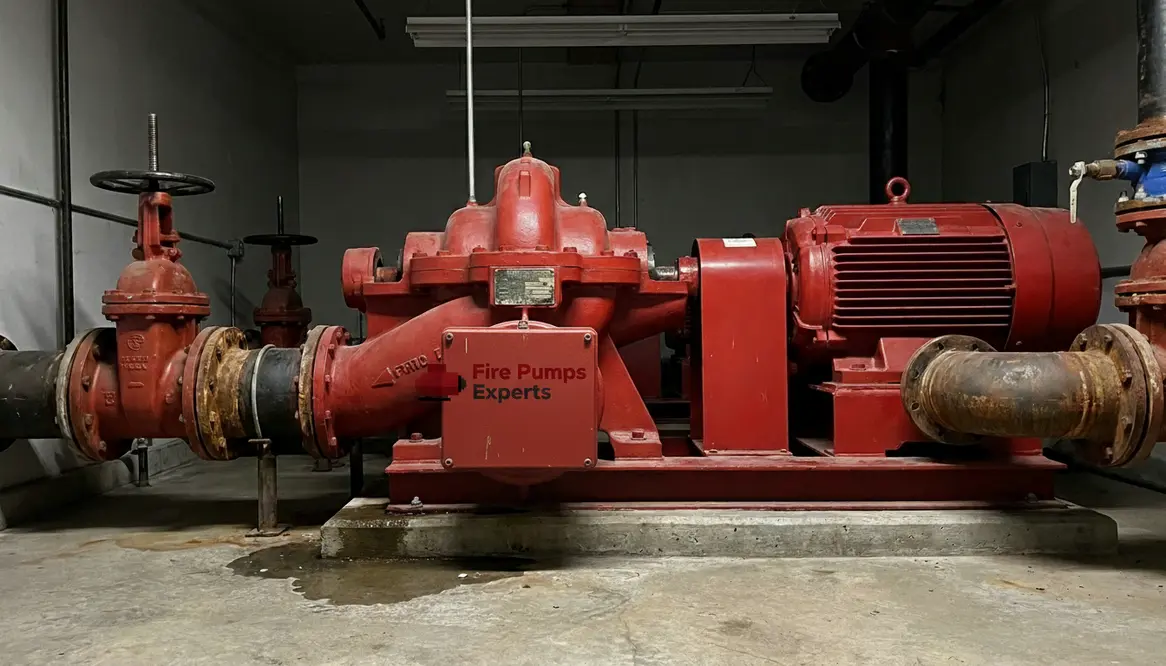
Split Case Fire Pump Problems and Prevention
I have spent years around commercial pump rooms, where the hum of machinery feels like a steady heartbeat for an entire building. And if there is one thing I have learned, it is this: split case fire pump problems rarely announce themselves with fireworks. They creep in quietly, like a plot twist you did not see coming, until suddenly your system is not performing when it matters most. In large commercial and industrial facilities, that is not just inconvenient, it is unacceptable. So today, I am going to walk you through what really goes wrong, why it happens, and how to stay ahead of it without losing sleep or your sense of humor.
What are the most common split case fire pump problems I see in the field?
Let me answer this the way I would on a job site. Straight, simple, and without the fluff.
First, I often encounter alignment issues. Over time, even a solid installation can shift. When that happens, vibration increases, bearings wear down faster, and efficiency drops. It is like driving a car with misaligned tires. You will get where you are going, but not without damage.
Then there is seal leakage. Mechanical seals are tough, but they are not immortal. When they fail, water escapes, pressure drops, and the pump loses reliability.
Another usual suspect is air entrainment. Air inside the system disrupts flow and reduces performance. I have seen pumps act like they are gasping for breath, and frankly, it is not a good look.
Finally, corrosion and wear quietly eat away at internal components. Especially in large facilities where water quality varies, this becomes a slow but serious threat.
Understanding split case fire pump problems before they escalate
Now here is where things get interesting. Most failures are not sudden. Instead, they build over time, like a slow drumbeat in the background.
For example, when lubrication schedules slip, bearings begin to degrade. As a result, vibration increases. Then, that vibration starts affecting seals and couplings. Before long, you are dealing with a full system issue instead of a minor fix.
Similarly, ignoring small drops in pressure can lead to larger performance gaps. In a high rise or industrial facility, that can mean the difference between compliance and a failed inspection.
And let me tell you, inspectors do not hand out sympathy points. They are more like movie critics. If the performance is off, the review is brutal.
Early Warning Signs
- Unusual vibration or noise
- Small but consistent pressure drops
- Minor seal leaks
- Temperature increases in bearings
What It Leads To
- Reduced pump efficiency
- Component failure
- System downtime
- Costly emergency repairs
So, the lesson here is simple. Catch the whisper before it becomes a shout.
Why maintenance gaps create bigger system failures
I will be honest with you. Maintenance is not glamorous. No one is making blockbuster films about properly lubricated bearings. Although, given Hollywood lately, I would not rule it out.
However, consistent maintenance is what separates reliable systems from ticking time bombs. When routine inspections are skipped, small inefficiencies stack up. Eventually, the pump works harder than it should, which accelerates wear.
In commercial and industrial environments, this becomes even more critical. Large properties rely on consistent pressure and flow across multiple zones. Therefore, one neglected component can ripple through the entire system.
Moreover, maintenance gaps often lead to unexpected downtime. And downtime, especially in major facilities, is not just a technical issue. It becomes a financial and safety concern.
How I diagnose performance issues in split case pumps
When I step into a pump room, I do not start with guesswork. I start with observation, then data.
First, I listen. Pumps talk, in their own way. A change in sound often points to internal stress. Next, I check vibration levels. Elevated vibration is like a red flag waving in slow motion.
After that, I review pressure readings and flow rates. If they do not align with design specs, something is off. Then, I inspect seals, bearings, and alignment.
In many cases, the issue is not a single failure but a chain reaction. Therefore, I focus on finding the root cause, not just the symptom.
And yes, sometimes the answer is as simple as a loose coupling. It is never as dramatic as an action movie, but it gets the job done.
Preventing issues in large commercial and industrial systems
Prevention is where the real power lies. Especially in large scale facilities, staying proactive makes all the difference.
I recommend building a structured maintenance plan. Not a vague checklist, but a detailed schedule that covers inspection, lubrication, alignment checks, and performance testing.
Additionally, invest in monitoring tools. Vibration sensors and pressure tracking systems provide real time insights. As a result, you can catch problems early and act quickly.
Training also matters. A well trained team can spot irregularities before they turn into failures. In my experience, a sharp technician is worth more than any fancy piece of equipment.
Finally, work with specialists who understand commercial and industrial fire pump systems. These are not small scale setups, and they demand a higher level of expertise. If you want a solid starting point, resources at https://firepumps.org can help frame what best practices should look like for facilities battling split case fire pump problems across multiple buildings or campuses.
FAQ about split case fire pump systems
These are some of the most common questions that come up when people start paying closer attention to split case fire pump problems and overall system reliability.
Conclusion
In my experience, staying ahead of split case fire pump problems is not about reacting fast. It is about thinking ahead and acting early. When you commit to consistent maintenance, sharp diagnostics, and expert support, your system performs when it matters most. If you manage a commercial or industrial facility, now is the time to tighten your strategy, protect your investment, and ensure your fire protection system stands ready without hesitation.