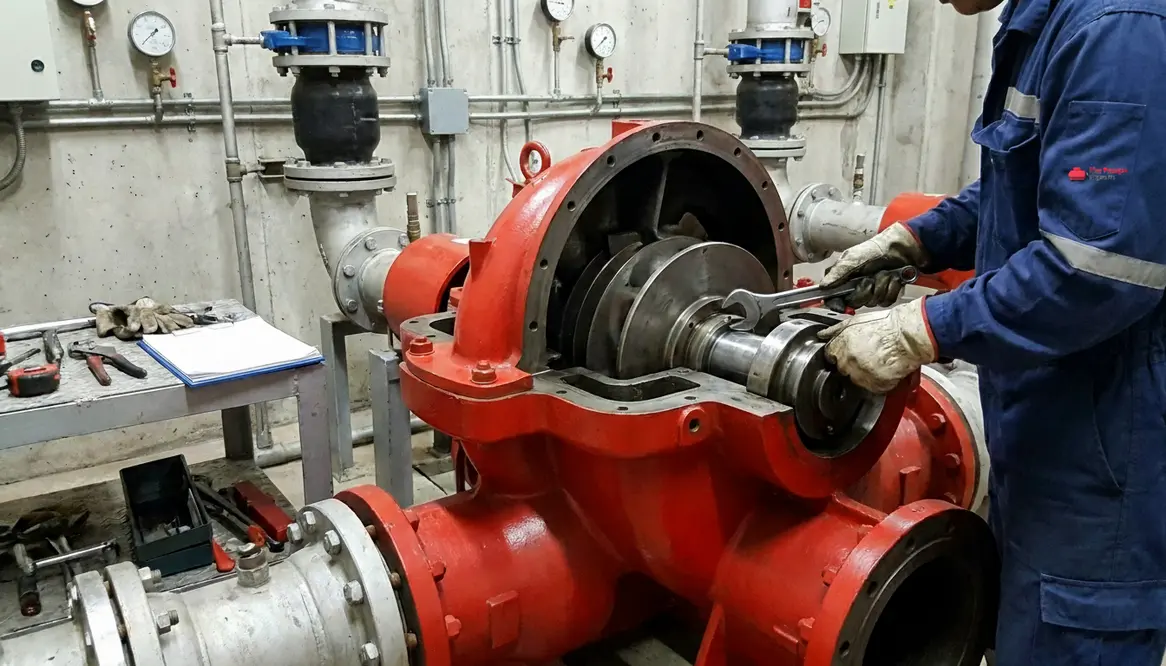
Split Case Fire Pump Repair Guide for Reliability
I have spent enough time around pump rooms to know one truth. When a fire pump fails, it never picks a convenient moment. It waits for pressure, for stakes, for that exact second when everything matters. That is why split case fire pump repair is not just maintenance. It is risk control, asset protection, and frankly, peace of mind. In large commercial and industrial buildings, these pumps carry the weight of safety systems. So today, I am walking you through how I approach repairs with calm precision, a bit of humor, and a mindset that says, “we fix it right the first time.”
Understanding How Split Case Pumps Actually Work
Before I grab a wrench, I slow down and respect the machine. A split case pump is designed for balance and efficiency. The casing splits horizontally, which allows me to access internal components without dismantling the entire system. Convenient, right? It is like opening a book instead of tearing out the pages.
Because the impeller sits between bearings, the load distributes evenly. As a result, these pumps run smoother and last longer in high demand environments like hospitals, high rises, and manufacturing plants. However, when something goes wrong, it usually points to alignment, wear, or flow issues. So I never guess. I observe first, act second.
When split case fire pump repair is done with that mindset, the pump rewards you with stability instead of surprises.
What Are The Early Signs That A Pump Needs Repair
I always tell facility managers this. Pumps whisper before they scream. You just have to listen.
If I hear unusual vibration, I check alignment and bearings immediately. Meanwhile, if pressure drops or fluctuates, I look at the impeller and internal clearances. And if the pump starts sounding like it is auditioning for a heavy metal band, that is not personality. That is damage.
Here are the early signs I watch for
- Unusual vibration or noise
- Decreased pressure output
- Seal leakage or visible drips
- Motor overheating
- Irregular start or stop cycles
Ignoring these signs is like ignoring a check engine light. Sure, you can do it. But the bill will not be kind, and the next split case fire pump repair will not be cheap or quick.
My Step by Step Approach to Split Case Fire Pump Repair
When I step into a repair job, I follow a rhythm. Not rushed, not casual. Intentional.
First, I isolate the system and ensure safety. No shortcuts here. Then I inspect alignment between the pump and motor. Misalignment is often the quiet villain behind major failures.
Next, I open the casing and inspect the impeller. Wear, corrosion, or debris buildup can all reduce efficiency. If needed, I either clean or replace components. After that, I check bearings and seals. These parts take constant stress, so I treat them with respect.
Finally, I reassemble, realign, and test under load. Because a repair that only works on paper is about as useful as a superhero without powers.
For facilities managing critical infrastructure, I often recommend reviewing commercial fire pump system standards and services to ensure compliance and long term reliability.
Handled correctly, split case fire pump repair turns into a structured process instead of a stressful emergency scramble.
Common Mistakes I See During Repairs
Now, here is where things get interesting. I have seen repairs that look fine at first glance but fail under pressure. Why? Because someone rushed or skipped steps.
One common mistake is improper alignment after reassembly. Even a small deviation can cause long term damage. Another is reusing worn seals to save time. That decision always comes back like a sequel nobody asked for.
I also see over tightening of components. Yes, tighter is not always better. This is not a jar of pickles.
Do This
- Check alignment with precision tools
- Replace worn seals and bearings
- Clean all internal components thoroughly
- Test under real operating conditions
Avoid This
- Guessing measurements
- Reusing damaged parts
- Skipping final testing
- Ignoring manufacturer specs
When these mistakes stack up, even the best split case fire pump repair will not hold under real emergency demand.
Preventive Maintenance That Saves You Headaches
Here is the part many overlook. The best repair is the one you never need.
I schedule routine inspections because they reveal small issues before they grow into expensive problems. Lubrication, alignment checks, and performance testing keep the system stable. In addition, I always document changes. That history becomes gold during future diagnostics.
For large facilities, preventive care is not optional. It is strategy. It protects uptime, reduces liability, and keeps systems compliant with safety codes.
If you treat preventive work as part of split case fire pump repair instead of an afterthought, your system will return the favor when the sprinklers need it most.
When I Recommend Professional Intervention
I am all for hands on work, but I also know when to call in specialized support. If the pump has suffered major internal damage, or if performance issues persist after standard fixes, I bring in advanced diagnostics.
Complex systems in industrial properties demand expertise and proper tooling. This is not the place for trial and error. It is the place for precision and experience.
When the situation calls for it, bringing in a dedicated split case fire pump repair specialist is not an admission of defeat. It is a practical insurance policy for the moment the alarms sound and there is no room for doubt.
FAQ
Conclusion
I approach every pump with the same mindset. Stay calm, stay precise, and respect the system. Split case fire pump repair is not just about fixing parts. It is about protecting people, property, and operations that cannot afford failure. If your facility depends on reliable fire protection, now is the time to act. Schedule an inspection, address small issues early, and keep your system ready for the moment it matters most.