Vertical Inline Fire Pump Repair Issues Guide
I have spent enough time in mechanical rooms to know this truth: when a fire pump whispers, you listen. When it groans, you move. And when it goes silent, well, that is when everyone suddenly becomes very interested in maintenance budgets. In this article, I walk through common vertical inline fire pump repair issues in commercial buildings, the kind that keep facility managers up at night and insurance inspectors asking very pointed questions. Think of this as your calm, steady guide through the noise, with just enough humor to keep things human.
What are the most common vertical inline fire pump repair issues I should expect?
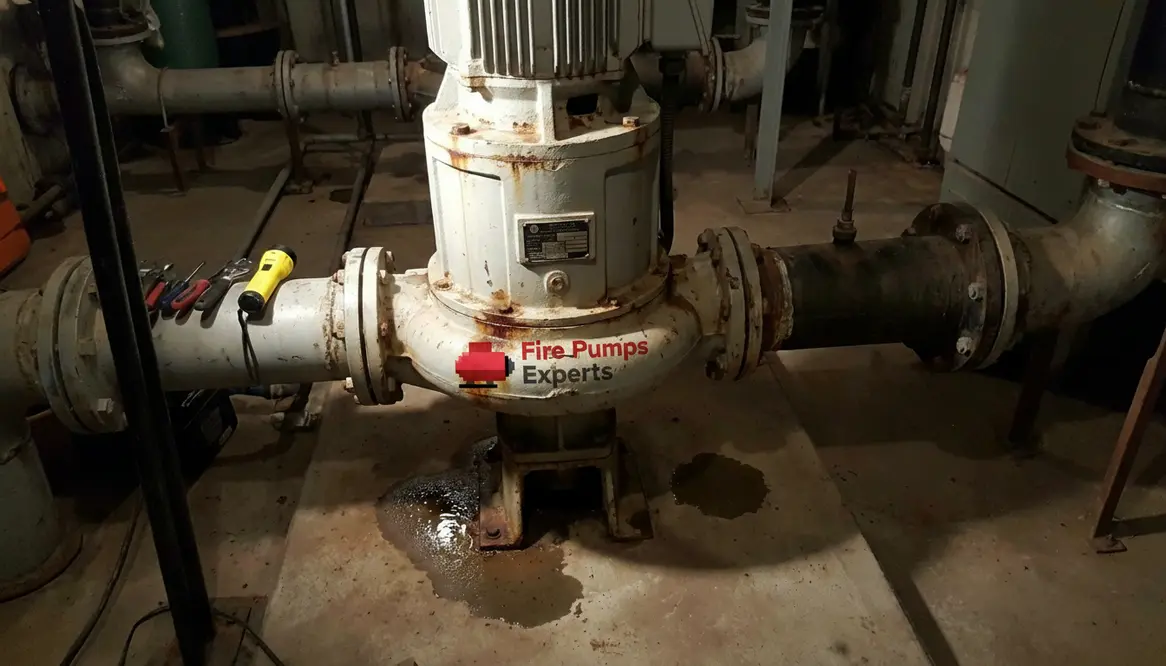
Let me answer this the way I would on a job site. The usual suspects show up again and again. First, seal leaks. They start small, almost polite, and then suddenly you have a puddle that looks like it is auditioning for a disaster movie. Next, bearing wear. You will hear it before you see it, a low hum turning into a complaint. Then comes misalignment, often caused by vibration or improper installation, quietly stressing the system until something gives.
However, electrical faults deserve equal attention. Control panels do not fail dramatically like in action films. They fail quietly, and that is what makes them dangerous. Finally, corrosion creeps in, especially in older commercial properties where water quality and age team up like an unlikely villain duo.
In short, these problems rarely arrive alone. They travel in groups, like a bad sequel no one asked for.
Diagnosing performance drops before they become emergencies
Now, here is where experience pays off. When flow rates dip or pressure fluctuates, the pump is telling a story. You just need to listen closely. I always start with performance data. Compare current readings with baseline numbers. If the numbers drift, something is off.
Then, I check for impeller wear or blockage. Debris has a way of sneaking in, especially in large commercial systems. Moreover, air entrainment can reduce efficiency, and it often goes unnoticed until performance drops significantly.
At this stage, I remind people that ignoring small changes is like ignoring a check engine light. Sure, you might get away with it for a while, but eventually the bill arrives, and it does not come alone.
Mechanical failures that demand immediate action
Some issues do not wait politely. They demand attention right now. Shaft misalignment is one of them. It puts stress on bearings and seals, accelerating wear. If left unchecked, it can lead to catastrophic failure.
Additionally, coupling damage often follows misalignment. You will notice unusual vibration, sometimes subtle, sometimes dramatic enough to make you question your life choices.
Warning Signs
- Unusual vibration or noise
- Rising motor temperature
- Frequent seal leaks
- Inconsistent pressure output
Immediate Actions
- Shut down and inspect alignment
- Check coupling integrity
- Inspect bearings and lubrication
- Verify mounting stability
Meanwhile, lubrication failures often get overlooked. It sounds simple, but neglecting it is like forgetting to drink water during a marathon. The system will fail, and it will not be subtle about it.
Electrical and control system complications in commercial setups
Let us talk about the brains behind the operation. Electrical systems in large facilities are complex, and fire pumps rely heavily on them. Faulty sensors, worn wiring, and outdated control panels can all lead to unreliable operation.
Furthermore, power inconsistencies can damage motors over time. I have seen perfectly good pumps fail simply because voltage fluctuations went unchecked. It is not dramatic, but it is effective, like a slow plot twist in a thriller.
Regular testing of controllers and backup systems is essential. After all, a fire pump that does not start when needed is about as useful as a superhero who forgot their powers at home.
Preventing recurring vertical inline fire pump repair issues in large buildings
Prevention, as always, is cheaper than repair. I focus on routine inspections, proper alignment checks, and scheduled component replacements. It sounds basic, but consistency is where most facilities fall short.
Additionally, I recommend vibration analysis and thermal imaging. These tools reveal problems before they become visible. Think of them as your early warning system, like having a spoiler for a movie you actually want to avoid.
Water quality management also plays a role. Corrosion and scaling can damage internal components over time. Treat the water, and you extend the life of the pump. Ignore it, and you invite trouble.
Turning repair headaches into a reliable maintenance plan
If you manage a portfolio of commercial properties, you already know that vertical inline fire pump repair issues rarely stay isolated. One neglected inspection turns into a surprise shutdown, which turns into tenants asking why sprinklers did not behave the way the glossy brochure from the fire protection contractor promised.
The smart move is to build a repeatable checklist: scheduled testing, documented repairs, and trend tracking on vibration, temperature, and performance. That is how you spot the story behind those small changes in pressure and flow. When the data starts whispering that performance is drifting, you fix the problem before it becomes the next chapter in your growing list of vertical inline fire pump repair issues.
FAQ: Quick answers for facility managers
These are the questions that come up again and again during walkthroughs and inspections, usually when someone is staring at a pump that has been a little too quiet for comfort.
Final thoughts and your next move
I have seen what happens when small issues are ignored. They grow, they multiply, and they show up at the worst possible time. So, take a proactive approach to your fire pump system. Address concerns early, invest in regular maintenance, and keep your equipment ready for the moment it matters most. If you manage a commercial or industrial facility, now is the time to act, because reliability is not optional, it is essential.
If you are unsure where your current system stands, start by documenting performance, recent work orders, and known pain points. From there, build a plan that treats your pump as critical life-safety equipment, not just another piece of machinery humming in a forgotten room. When that next inspection or emergency comes, you will be glad you treated those early warning signs and vertical inline fire pump repair issues as a priority instead of a background annoyance.