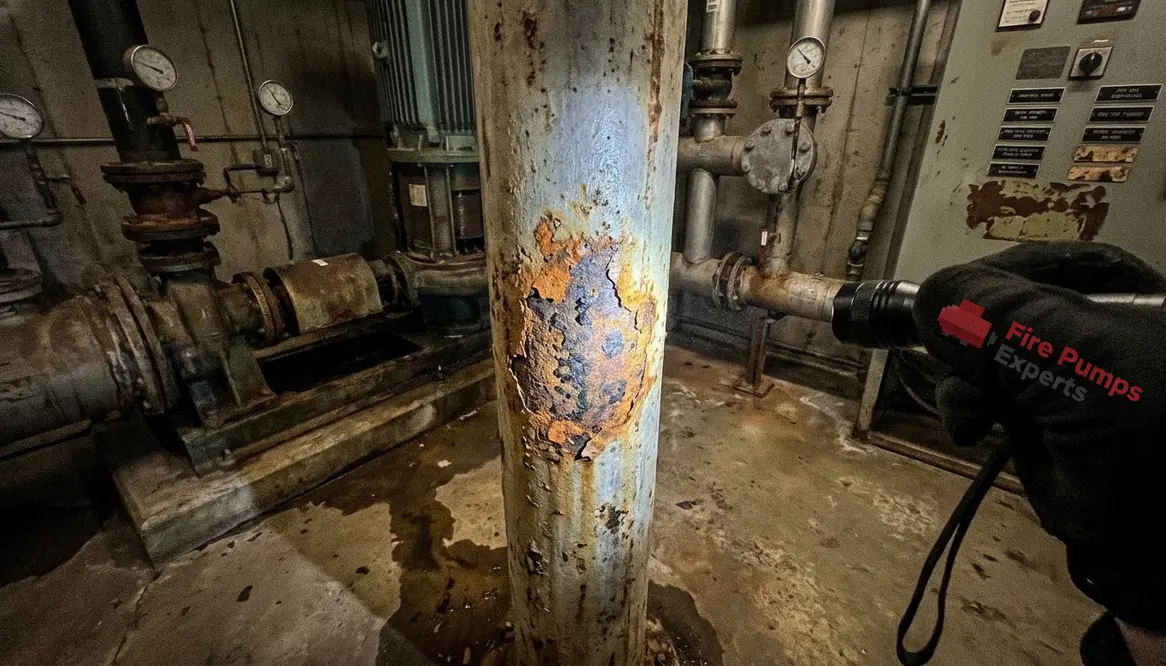
Vertical Turbine Fire Pump Column Pipe Corrosion Watch
When I talk about a vertical turbine fire pump, I am not just talking about a piece of equipment. I am talking about the quiet giant that stands ready when a building cannot afford to blink. In commercial and industrial sites, this system must work hard, and that is where fire pump corrosion starts to creep in like a bad sequel nobody asked for. With the right fire pump maintenance, I can spot trouble early, protect the column pipe, and keep the whole system ready for the moment it matters most.
In my work, I have learned one simple truth. Water does not care about schedules, and corrosion does not wait for a convenient time. So I treat the pump as a living system, one that needs attention, planning, and a steady hand.
What column pipe corrosion does to a fire pump
Column pipe corrosion weakens the path that brings water up from the source to the pump bowl assembly. As the pipe wall thins, flow can suffer, vibration can grow, and the system can lose the muscle it needs in an emergency. That is not drama. That is physics wearing work boots.
I look for rust, pitting, scale, and trapped deposits because each one tells a story. Sometimes the problem starts with water quality. Sometimes it begins with poor coating protection. And sometimes the system simply ages, the way classic movies age, except corrosion does not become a cult favorite.
Because the column pipe sits in a harsh environment, even small damage can spread. Therefore, I never treat early surface rust as harmless. I treat it like a warning light on the dash.
How I inspect a system before damage spreads
First, I check the visible parts of the assembly and look for leaks, stains, loose hardware, and unusual noise during operation. Then I review performance data if it is available, because pressure changes often reveal hidden wear before the eye can. After that, I inspect the coating, support points, and joints for signs of breakdown.
Here is the part I trust most: regular, calm inspection beats panic every time. I do not need a superhero cape. I need a checklist, a flashlight, and the patience to notice what others miss.
When I service a vertical turbine fire pump, I also pay close attention to alignment and vibration. If the pump shakes more than it should, corrosion may already be helping the damage along. In a large facility, that extra movement can shorten the life of the entire line.
For teams that want structured support, I often point them to los angeles vertical turbine fire pump service as a useful reference for commercial and industrial fire pump needs.
Which conditions speed up fire pump corrosion
Several conditions push corrosion faster, and I watch them closely. First, stagnant water lets minerals settle and attack metal surfaces. Next, poor water chemistry can raise the risk of pitting and scale buildup. Also, low oxygen pockets and inconsistent flow can create trouble inside the column pipe where no one can see it until performance drops.
Salt exposure, even in buildings farther inland, can still enter through the environment or water source. Moreover, old coatings lose their grip over time, and once that shield fails, metal becomes fair game. Corrosion then acts like a slow leak in the building’s confidence.
In some facilities, I also see wear increase after poor installation or skipped service intervals. That is why I keep fire pump maintenance tied to real site conditions instead of a one size fits all plan.
My maintenance approach for long term protection
I use a simple approach that works because it respects the system. First, I keep inspections on a set schedule. Then I clean and test key components before small flaws become costly repairs. I also confirm that coatings, seals, and fasteners still do their job.
Column pipe care
- Inspect for rust, pitting, and coating failure.
- Check for vibration, misalignment, and odd sounds.
- Track changes in pressure and flow over time.
System care
- Review water quality and buildup risks.
- Document every service visit and test result.
- Repair early damage before it spreads.
That dual view helps me stay ahead of failures. It also keeps the process organized, which matters because fire systems should never depend on memory alone. Memory is great for song lyrics and movie quotes. Not so great for life safety equipment.
I also compare service findings with broader facility needs. For some sites, related support from industrial electrical services helps keep the pump room and controls reliable. For properties in Australia, I also review Australian fire sprinkler services as part of a wider protection plan for major buildings.
What I tell facility teams to watch every month
Every month, I want teams to listen for changes, look for leaks, and record pressure trends. I also tell them to note any rust color in drainage, any drop in output, and any new vibration. If the pump sounds tired, I pay attention. Machines have manners, and poor manners usually mean trouble.
Most important, I ask teams to act fast when they spot a change. A small repair now usually costs less than a major outage later. More than that, it helps protect the building, the people inside, and the business that depends on steady fire protection.
If you are building a plan around fire pump maintenance, keep your eyes where the system hides risk: the column pipe, the coatings, and the water conditions. That is where fire pump corrosion usually begins, and that is where the smartest fixes happen early. A well-run vertical turbine fire pump does not ask for attention every day, but it does demand consistency.
FAQ
Final CTA
If you manage a commercial or industrial facility, do not wait for corrosion to write the ending. I can help you build a smarter inspection plan, catch early damage, and keep your vertical turbine fire pump ready for real pressure. Reach out now, and let us protect the system before the system asks for help. That is the calm way. And frankly, it is the cheaper way too.