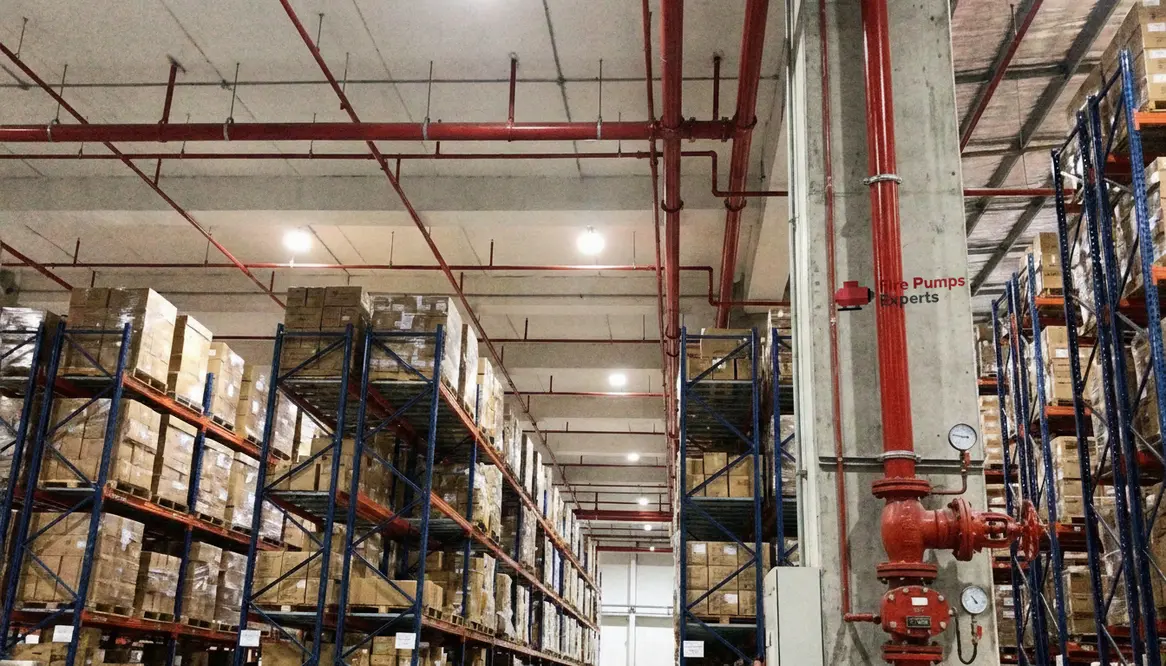
Warehouse Fire Sprinkler System Design: Water, Storage, Pumping
When I look at warehouse fire sprinkler system design, I see more than pipes, valves, and a few brave heads on the ceiling. I see a life safety plan that has to work when the room gets hot, the pressure drops, and everyone suddenly remembers that fire does not care about your schedule. In a warehouse, water demand, storage, and pumping decide whether the system performs like a steady guardian or like a sleepy extra in a disaster movie. So, let me walk you through the parts that matter, in plain language, with the kind of detail that keeps a facility protected and a fire marshal happy.
How I size water demand for a warehouse sprinkler system
First, I start with the hazard level. A light storage area does not need the same flow as a high stacked rack space with plastic goods and long aisles. That sounds obvious, yet many people still treat all warehouses like they are the same box with different labels. They are not. I check the storage height, commodity class, rack layout, ceiling height, and whether the system needs extra protection for in rack storage. Then I calculate the sprinkler demand based on the likely fire area and density rules that apply to the building.
Next, I add the hose stream allowance. That extra water helps fire crews finish the job after the sprinklers do their part. It is not flashy, but neither is a mop, and both matter when things go sideways. I also confirm whether the local code, insurer, or site standard pushes the demand higher. In large industrial buildings, that number can climb fast, so I never guess. I verify.
Why storage capacity matters more than most people think
Water demand only helps if the system can keep up for the full required duration. That is where storage comes in. If the site uses a tank, I size it to cover the full sprinkler demand plus hose allowance for the needed time. If the site pulls from a city supply, I still check whether the supply can sustain the demand long enough. City water is nice until it is not. Then everyone acts surprised, like the supply line has a personal grudge.
In many cases, I compare three things at once: the required flow, the available water volume, and the refill rate. If the tank cannot hold enough, or if the supply cannot refill fast enough, the system fails the basic test. That is why proper warehouse fire sprinkler system design depends on real data from flow tests, hydraulic calcs, and storage rules that match the building use. No drama. Just math with consequences.
What I check in a pumping plan for large warehouses
Water source checks
- Static pressure
- Residual pressure
- Flow test results
- Tank refill rate
Pump checks
- Pump size and curve
- Churn pressure
- Rated flow at system demand
- Backup power or diesel supply
When I design the pumping side, I make sure the pump can deliver the right flow at the right pressure across the whole sprinkler system. A pump that looks strong on paper but fails under real load is just expensive decoration. I also confirm suction conditions, because poor suction can ruin performance faster than a bad sequel ruins a classic film. If the site needs a fire pump, I check the full setup, including controller, test line, and power supply, so the system can start and stay stable during an emergency.
Using code, standards, and practical checks together
I never rely on guesswork here. I use code rules, site data, and the building’s real risk profile. For example, if I need a deeper look at fire pump sizing and system rules, I use resources like AS 2118 fire pump requirements for sprinkler systems as part of the review process. That helps me line up the design with accepted practice and avoid costly rework later.
For commercial and industrial sites, this matters even more because downtime hurts. A warehouse stop can affect stock, shipping, staff safety, and client service all at once. So I check the sprinkler main, pump room, tank access, valve layout, alarms, and test points with the same care I would give a plane before takeoff. Maybe more care. Planes at least do not store flammable pallet wrap.
How I keep the system reliable after design
Design is only half the story. After that, I want the system to stay ready. So I plan for inspection, testing, and maintenance from day one. I also make sure the owner knows where the weak spots sit. These often include blocked access to tanks, closed valves, poor pump room housekeeping, or changed storage layouts that no longer match the original hazard.
That is why I always tell clients to review the system when the warehouse changes. New rack heights, new stock types, or a shift in layout can change the water need. In other words, the sprinkler system does not live in the past. It grows old when the warehouse does. In a great warehouse fire sprinkler system design, reliability is not a one-time achievement. It is a habit.
FAQ
Conclusion
If you want your warehouse to stay safe, start with the basics and get them right. I design for the real water demand, the real storage need, and the real pump performance, not wishful thinking. That is how strong protection happens. If you manage a commercial or industrial facility, now is the time to review your sprinkler supply, pump setup, and tank capacity. Do it before an emergency makes the decision for you. That review is the difference between a plan and a functioning warehouse fire sprinkler system design when it counts.