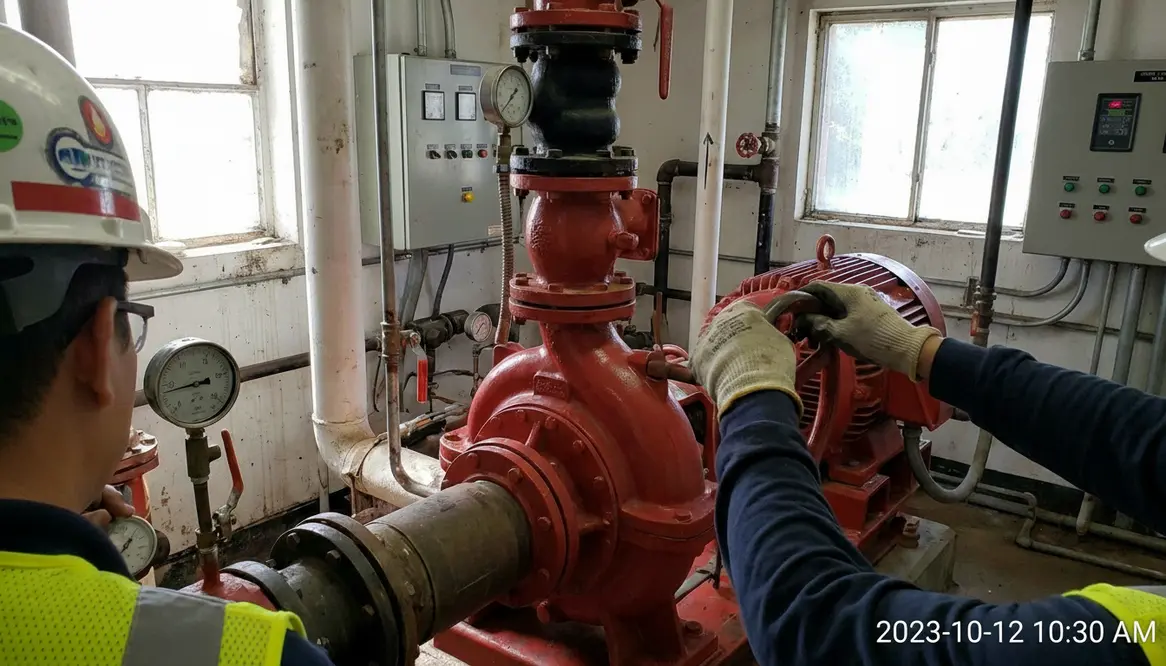
Weekly Fire Pump Test Steps for Reliable Systems
I’ve walked through enough mechanical rooms to know one thing for certain: silence is not always golden. Especially when it comes to your fire protection system. The weekly fire pump test is where that silence gets broken on purpose, in a controlled, methodical way that ensures your system will roar to life when it truly matters. And while it might not sound glamorous, it’s the kind of routine that quietly protects millions in assets and, more importantly, lives. So let’s talk about how I approach it, step by step, with just enough personality to keep us both awake.
What I Actually Do During a Weekly Fire Pump Test
First things first, I don’t treat this like a checkbox exercise. I treat it like a rehearsal. Because when the real show starts, there are no retakes.
I begin by visually inspecting the pump, controller, and surrounding equipment. Then, I initiate the test by simulating a demand. This usually means opening a test valve to drop system pressure. As a result, the pump should start automatically. If it doesn’t, that’s not a “maybe later” problem. That’s a right now problem.
While the pump runs, I monitor suction and discharge pressure, listen for unusual noises, and watch for vibration. Meanwhile, I confirm that the controller behaves exactly as expected. Lights, alarms, timers. Everything should perform like a well rehearsed orchestra, not a garage band on its first gig.
After about ten minutes of operation, I shut everything down properly and document the results. Because if it isn’t recorded, it didn’t happen. And inspectors have a memory like elephants.
Key checkpoints during every weekly fire pump test
- Automatic start when system pressure drops
- Stable suction and discharge pressures
- Clean electrical response from the controller
- Normal sound profile with minimal vibration
- Accurate, complete documentation when the test ends
Why This Routine Matters More Than People Think
Now, I get it. A weekly fire pump test can feel repetitive. However, repetition is what builds reliability. Fire pumps are not like your car. They don’t get daily use. In fact, they spend most of their lives waiting. And waiting systems have a bad habit of failing at the worst possible moment.
That’s why this weekly routine exists. It keeps seals lubricated, verifies electrical integrity, and ensures the system responds instantly. In large commercial and industrial facilities, where downtime can cost a small fortune per hour, that reliability is non negotiable.
Think of it like stretching before a workout. Skip it enough times, and eventually something tears. And unlike a pulled muscle, this kind of failure doesn’t heal on its own.
What a weekly fire pump test quietly prevents
- Mechanical seizure from long periods of inactivity
- Controller failures that only show up under real demand
- Undetected supply problems that cripple system performance
- Expensive emergency repairs during an actual incident
How I Prepare Before Starting the Test
Preparation is where most problems get avoided. So before I even touch a valve, I make sure everything is in order.
I check that all valves are in their correct positions. I confirm that the water supply is available and unrestricted. Then, I notify relevant personnel. Because surprising a building with a sudden pressure drop is a great way to make enemies.
Additionally, I review previous test logs. Patterns matter. If something looked off last week, I want to know before I start. This way, I’m not walking into the test blind.
Pre-test and in-test checklist at a glance
Before the Test
- Verify valve positions
- Check water supply status
- Notify facility team
- Review past logs
During the Test
- Start pump via pressure drop
- Monitor gauges and sounds
- Watch controller signals
- Record performance data
When this prep work becomes routine, the weekly fire pump test shifts from “one more task” to a predictable, well-controlled snapshot of system health.
Common Issues I Watch For Every Time
Experience teaches you where to look. And trust me, fire pumps have their favorite ways to misbehave.
I keep an eye out for delayed starts, which often point to controller or sensor issues. I also watch for pressure fluctuations. That can indicate air in the system or a supply problem. Then there’s overheating, which is never a good sign unless you’re cooking dinner, and even then it’s risky.
Strange noises are another red flag. A fire pump should sound confident, not confused. If it starts clicking, grinding, or whining like it just watched a sad movie, I dig deeper.
Over time, these small observations prevent major failures. And in facilities where compliance and uptime are everything, that’s the difference between smooth operations and a very expensive phone call.
Red flags during a weekly fire pump test
- Pump fails to start or starts with a noticeable delay
- Pressure readings that bounce, drift, or drop unexpectedly
- Hot bearings, motors, or controllers during or after the run
- Unusual noises: rattling, grinding, or metallic scraping
- Visible leaks, spray, or unexpected moisture around the pump
What Do Inspectors Expect From a Weekly Fire Pump Test?
Short answer? Consistency and proof.
Inspectors want to see that the weekly fire pump test is performed regularly, documented clearly, and aligned with NFPA standards. They expect accurate readings, not guesswork. And they definitely notice when logs look copy pasted. That trick stopped working sometime around the early 2000s.
I make sure every entry includes date, duration, pressures, and any observations. If something is off, I note it and take action. Because transparency builds trust, and trust keeps inspections smooth.
For larger commercial properties and industrial sites, this level of discipline is essential. It’s not just about passing inspections. It’s about maintaining a system that people rely on without ever thinking about it.
What a solid test log should capture
- Date, time, and person performing the weekly fire pump test
- Start method, run duration, and operating mode
- Suction and discharge pressures compared to design values
- Noted issues, alarms, or abnormal behavior
- Any corrective actions started or completed
If you need deeper technical guidance, resources from https://firepumps.org pair nicely with disciplined on-site testing.
FAQ: Quick Answers You Might Be Looking For
These are the questions that come up almost every time someone starts taking the weekly fire pump test seriously.
Keep It Running Before You Need It
At the end of the day, I don’t run a weekly fire pump test because it’s required. I run it because it works. It keeps systems alive, facilities protected, and surprises to a minimum. If you manage a commercial or industrial property, now is the time to take this seriously. Build the habit, document the process, and stay ahead of problems before they grow teeth. Because when fire protection fails, it doesn’t whisper. It shouts.
Treat every weekly fire pump test like a small, scheduled rehearsal for an emergency that you hope never comes. Do it the same way, at the same quality, with the same attention, and your system will be far more likely to roar to life on the one day it absolutely has to.