Chile Industrial Fire Pump Requirements Guide
Chile Fire Pump Requirements for Industrial Facilities
When I look at fire protection in a Chile industrial setting, I see more than metal pipes, alarms, and pump rooms. I see the thing that keeps a plant standing when heat, smoke, and panic try to take the wheel. Fire pumps are not glamorous, but then again, neither is a root canal, and yet both can save your day. In industrial facilities, the right pump setup matters because water must move fast, with enough pressure, and without drama. So, if you run a factory, warehouse, or large commercial property in Chile, I want to walk you through what really matters.
In Chile, fire pump requirements depend on building size, hazard level, water supply, and local code rules. However, one thing stays the same. Industrial facilities need systems that can perform under pressure, both literally and legally. Let’s break that down in plain language.
Chile industrial fire pump rules I check first
When I review a site, I start with the basics. First, I confirm whether the facility needs a fire pump at all. Many large buildings do, especially when the water supply cannot meet sprinkler demand on its own. If the main water source cannot provide the needed flow and pressure, a fire pump steps in like the backup singer that suddenly has to carry the whole concert.
In most industrial cases, the pump system must support the full fire protection demand. That may include sprinklers, standpipes, hydrants, or a mix of these. Also, the pump must match the building’s risk level. A light storage space and a chemical plant do not live in the same universe, and the fire pump should not pretend they do.
For Chile industrial sites, I also pay close attention to code alignment, local authority approval, and system testing. The pump room, controller, suction line, and water source all need to work as one team. If one part fails, the system starts acting like a group project where everyone blames the printer.
How I size a fire pump for industrial use
I size the pump based on demand, not guesswork. That means I look at the total water flow required by the fire protection system and the pressure needed at the farthest point. Then I add the building’s real conditions. Long pipe runs, high racks, multiple floors, and special hazards all change the math.
Here is the part that matters most:
What I measure
- Water demand from sprinklers and hose systems
- Pressure loss in pipes and fittings
- Water source depth and reliability
- Height of the highest protected area
- Special risks like flammable materials
What I verify
- Pump curve matches the design need
- Controller supports automatic start
- Power source stays reliable in an emergency
- Backup pump or diesel unit is ready when needed
- Testing access stays clear and safe
Because industrial buildings often cover large areas, I also look for pressure drops across the site. A pump that works beautifully at the source can still fail at the far end of a big facility. That is why real site data matters more than wishful thinking. And yes, wishful thinking is not a compliance strategy.
What Chile industrial facilities need in the pump room
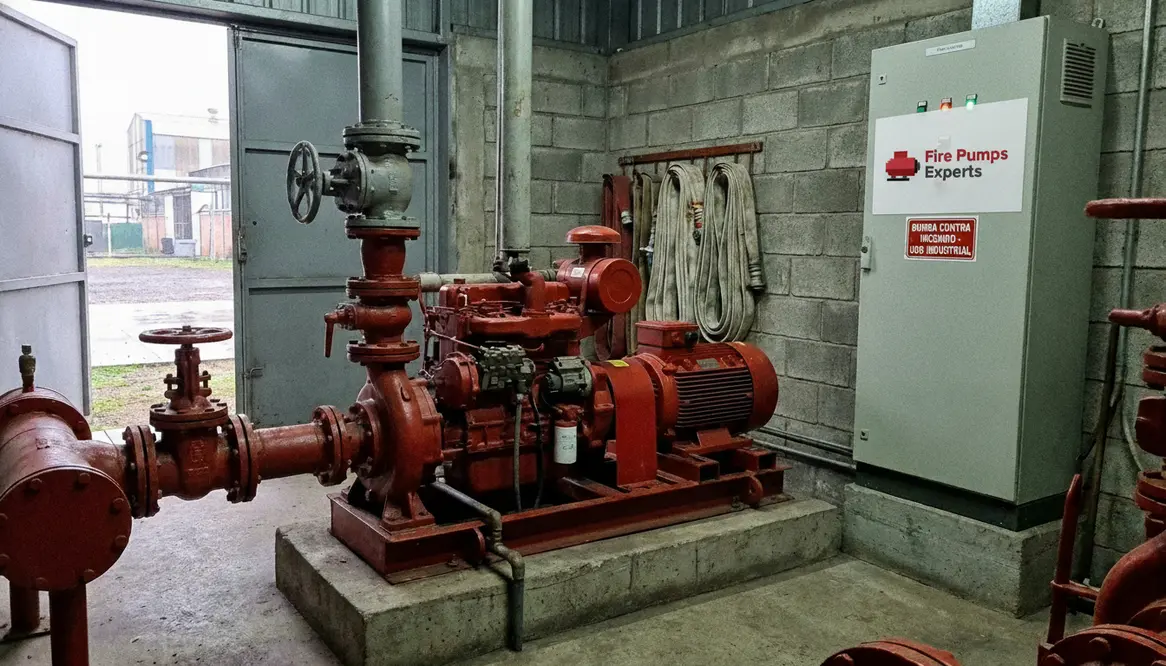
The pump room is the heart of the system, so I treat it that way. It must stay dry, secure, ventilated, and easy to access. If the room floods, overheats, or turns into storage for old boxes and forgotten chairs, the whole system suffers. Fire pump rooms are not the place for “we’ll move this later.”
For industrial facilities, I look for a few core items. The pump needs a proper base, clear space around it, and a controller that works without hesitation. Also, the suction line must stay short and direct, with the right pipe size and no air problems. If the pump pulls from a tank, that tank must hold enough water for the required fire event. No surprise there. Fire does not care about your budget meeting.
I also make sure the system supports regular testing. Industrial fire pumps need planned runs to prove they can start, build pressure, and keep flowing. A pump that has not been tested is like a superhero with no costume and no training montage. It may look ready, but nobody should bet the building on it.
Testing, maintenance, and approval in Chile
In Chile, approval is only the start. After installation, I want testing, inspection, and maintenance on a steady schedule. The pump must start automatically, manual override must work, and alarms must send clear signals. If the pump has a diesel engine, I check fuel, battery health, and cooling too. If it runs on electric power, I check supply reliability and controller performance.
Routine maintenance matters because industrial sites work hard. Dust, heat, vibration, and long operating hours can wear down even solid equipment. So I recommend a strict plan that includes weekly visual checks, monthly run tests, and deeper service at set intervals. That keeps the system ready when the real problem shows up uninvited.
When I guide owners through Chile industrial compliance, I also suggest using a trusted reference from a fire protection source that focuses on commercial and industrial fire pump systems. A useful resource is industrial fire pump guidance for major properties and facilities. It helps owners stay focused on the right kind of buildings, which is important because not every property needs the same setup. Context matters, and fire protection loves context almost as much as regulators do.
FAQ about Chile fire pump requirements
Conclusion
If you manage an industrial facility in Chile, I strongly recommend treating fire pump design as a core safety decision, not a side note. The right system protects people, assets, and business continuity when trouble hits fast. So, review your water supply, confirm the demand, and keep testing on schedule. If you need a clear path forward, now is the time to assess your site and build a pump solution that actually fits the job.