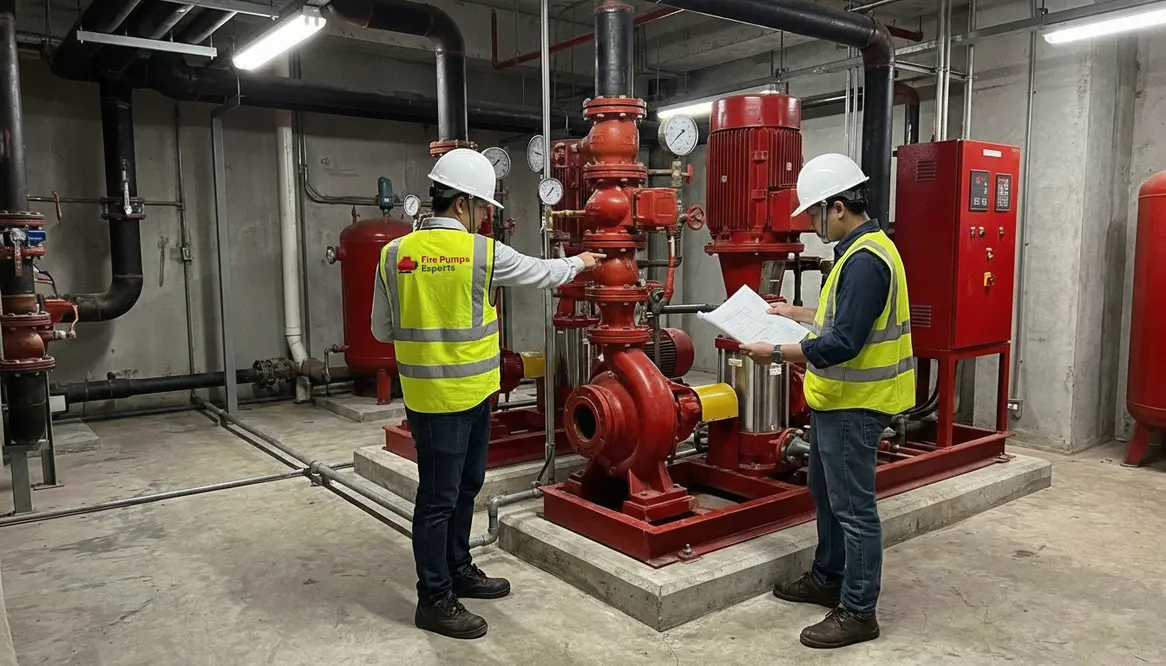
10 Fire Pump Installation Requirements Engineers Need
When I look at fire pump installation requirements, I do not see paperwork. I see the heartbeat of a commercial or industrial fire protection system. If that pump fails, the whole building can end up standing there like a backup singer with no mic. So I take the setup seriously. In major properties, from warehouses to high rise towers, the pump must do one job well: move water fast, under pressure, when every second matters. That is why engineers need clear rules, solid planning, and no guesswork.
In this guide, I will walk through the key points I keep in mind before, during, and after installation. Also, I will keep it practical, because nobody wants a fire system talk that feels like a three hour tax seminar.
1. Start with the right pump room layout
I always begin with the pump room itself. The room needs enough space for safe access, service work, and future repairs. In commercial and industrial sites, tight rooms cause more trouble later, and that trouble loves to show up on the worst day.
The floor should handle the pump weight, the piping load, and vibration. Also, the room should stay dry, clean, and easy to reach. If the crew cannot get to the pump fast, then the whole setup becomes theater, not protection.
2. Match the pump to the building demand
I never treat pump sizing like a guess. I check the building risk, the sprinkler demand, the hose demand, and the water supply. Then I make sure the pump can meet the required flow and pressure without pushing past safe limits.
For major properties, this step matters even more. A warehouse with high pile storage does not need the same pump choice as a tall office tower. So I always match the system to the site, not the other way around. That is how I avoid the classic “close enough” mistake, which is never close enough.
3. Use a reliable water supply and suction setup
The pump can only perform as well as the water feeding it. Therefore, I check suction conditions with real care. The supply must stay stable, and the suction pipe must avoid air pockets, sharp losses, and unnecessary bends.
I also keep the suction line sized well and installed with clean alignment. Poor suction can cause cavitation, and cavitation is the kind of guest nobody invited. It brings noise, wear, and weak performance. For that reason, I treat suction design as a core part of the fire pump installation requirements, not a side note.
4. Plan power and controller access early
Fire pumps need dependable power and clear control access. So I plan the electrical side early, not after the walls go up and everyone starts whispering about “minor adjustments.” For electric pumps, I make sure the controller has the right supply, proper protection, and easy access for testing and service.
For diesel units, I check fuel storage, ventilation, starting gear, and battery support. In both cases, I want a setup that works under stress, not just in a neat drawing on a laptop. If the controller becomes hard to reach, then maintenance gets harder too, and that never ends well.
5. Keep piping neat, strong, and test ready
Piping does more than move water. It shapes how the whole system behaves. So I support the pipe properly, reduce strain on the pump, and keep the layout simple where possible. Every joint should help the system, not fight it.
Quick installation focus guide
Installation focus
Clean suction pipe layout
Strong pipe supports
Accessible valves and fittings
Clear discharge routing
Why it matters
Helps steady flow and reduces air issues
Protects the pump and keeps alignment true
Makes testing and service faster
Cuts pressure loss and confusion during checks
This kind of planning saves time later. Also, it keeps the inspector calm, which is always a good thing.
6. Follow testing rules before handover
I never treat commissioning like a box ticking exercise. I test the pump, the controller, the water supply, and the full run path. That means checking flow, pressure, start conditions, and any alarm or signal points that connect to the site system.
For Australian projects, I often refer to AS 2941 fire pump acceptance testing in Australia because it gives a solid view of what proper acceptance should look like. And yes, the pump must pass more than a hopeful stare from the engineering team.
7. Build in space for inspection and service
I always think about the next visit, not just the first one. Engineers should leave room for routine inspection, part replacement, and performance checks. If the crew needs a gymnastics medal to reach a valve, then the layout needs work.
Good service access keeps the pump ready for years. It also lowers downtime, which matters a lot in large commercial and industrial buildings where every hour of lost protection can hurt operations and cost money.
8. Keep the system protected from heat, flood, and damage
Fire pump rooms face more than fire risk. They can also face heat, water leaks, impact, and even poor air flow. So I protect the room as part of the design. I check ventilation, drainage, lighting, and physical protection around the equipment.
If the site sits in a flood risk area, I take that seriously as well. A pump system that sits in water is not doing anyone any favors. Strong protection keeps the system ready when the building needs it most.
9. Confirm alarms, labels, and system signals
A fire pump system should speak clearly. I make sure alarms, labels, and status signals tell the right story to the right people. When a pump starts, fails, or loses power, the site team needs to know right away.
Clear labels also help during service and emergencies. In a large property, speed matters, and clear signs cut confusion. That is simple, but simple is often what saves the day.
10. Document every step for compliance and future work
I always finish with records. I keep as built drawings, test results, equipment data, and maintenance notes. This helps with compliance, but it also helps future engineers who inherit the system and wonder who designed this maze in the first place.
Good records make audits easier and repairs faster. They also support long term reliability, which is the real goal behind every serious fire protection project and every set of fire pump installation requirements that actually gets followed.
Fire pump installation requirements in plain language
Across all types of projects, I keep the same theme: fire pump installation requirements exist to make sure the pump is sized right, powered right, piped right, and tested right before anyone counts on it in an emergency. They pull together room layout, suction design, discharge routing, controls, alarms, and long term service so the system does not fall apart the first time the pressure climbs.
FAQ
Conclusion
When I design or review fire pump installation requirements, I focus on one thing: dependable performance in a real emergency. For commercial and industrial facilities, there is no room for shortcuts or wishful thinking. If you want a system that works when the pressure rises, plan it well, test it properly, and document every step. If you need expert support for a major property, now is the time to act and get the design right before the building ever needs it.