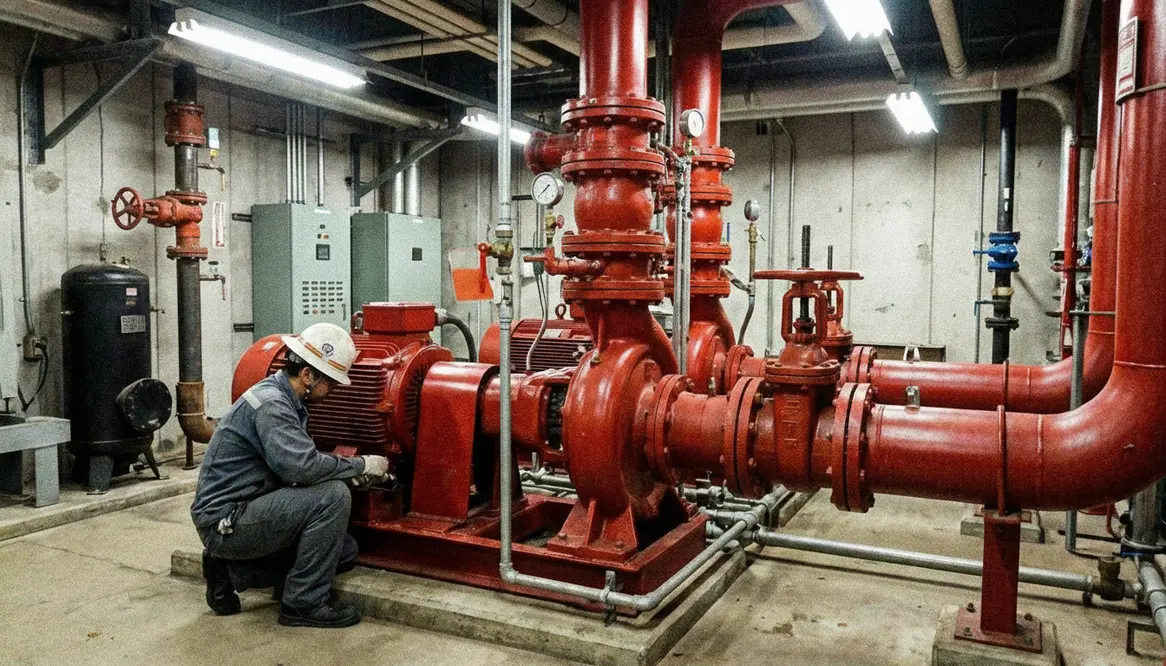
AS 2419 Industrial Fire Pump Requirements Guide
A practical, no-nonsense walkthrough for planning, installing, and maintaining fire pumps on industrial sites, so your system is ready when everything else goes sideways.
AS 2419 Fire Pump Requirements for Industrial Sites
When I look at AS 2419 industrial fire pump needs, I see more than a box to tick. I see the quiet backbone of a site that has to keep working when things go wrong. On a busy industrial property, a fire pump can make the difference between a small incident and a full scale shutdown. And trust me, nobody wants their production line starring in a disaster sequel. In this guide, I will walk through the key parts of pump selection, setup, testing, and upkeep so you can build a system that does its job without drama.
What AS 2419 Means for Industrial Fire Pumps
I treat AS 2419 as the rulebook that shapes how I plan fire pump systems for industrial sites. It sets the base for water supply, pressure, pump capacity, and system reliability. Because industrial buildings often hold high value stock, heavy machinery, or large open spaces, the pump must support the full fire system with steady flow and pressure.
First, I check the site risk. Then I match the pump to the demand of the fire protection system. That may sound simple, but the details matter. A pump that looks fine on paper can still fail if it does not suit the building layout, water source, or fire load. So I always start with the site, not the equipment brochure. Brochures, after all, tend to smile back and promise the moon.
How I Size a Fire Pump for an Industrial Site
I size the pump by looking at the whole demand profile. That means I review sprinkler load, hydrant demand, hose reel use, and any special site needs. I also check whether the water supply can support the required flow for the full duty time. If the site has long pipe runs or high static loss, I factor that in early. That saves headaches later, and headaches are expensive.
Here is the short version of the sizing process in AS 2419 industrial projects:
Core sizing considerations
Site factor
Water source
Pipe size
Building height
Fire load
Redundancy
Why it matters
It must deliver enough volume without dropping pressure.
It affects friction loss and pump demand.
Taller sites need stronger pressure control.
Higher risk areas often need more robust support.
Backup options help keep the system alive if one part fails.
After that, I check if the pump can handle the worst case demand. If it cannot, I do not hope for the best. Hope is fine for movie plots, not fire safety systems. I revise the design until the pump matches the site.
What I Check in Installation and Layout
Location, access, and suction
Installation has to support performance, not fight it. I place the pump where it has easy access, good ventilation, and proper protection from damage. I also make sure the suction line stays short and direct whenever possible. That helps reduce loss and improves reliability.
Controls, valves, and service space
Next, I look at the control panel, isolation valves, test lines, and alarm links. Each part must sit in a place that allows clear inspection and safe use. If the site has tight space, I plan service access before the installer starts. Otherwise, future maintenance turns into a game of industrial Tetris, and nobody wins.
Designing a pump room that actually works
I also confirm the pump room suits the equipment. It should stay dry, secure, and easy to reach. Good lighting, safe drainage, and clear labels all support smooth operation. Small details like these often save the day when every second counts.
Why Testing and Maintenance Keep the System Ready
A fire pump only proves its worth when it starts under pressure, so I never skip testing. Routine tests show whether the pump starts fast, holds pressure, and delivers the flow the site expects. I check the results against the design target and look for slow starts, vibration, leaks, or strange noise. If the pump begins to sound like a tired movie villain, I know it needs attention.
Maintenance tasks I build into the plan
- Weekly checks for signs of fault or damage
- Regular start tests and pressure checks
- Inspection of valves, power supply, and alarms
- Full service work as required by site risk and use
In addition, I keep records. Good records help me spot trends before they turn into failures. They also make audits less painful, which is always a nice bonus.
How I Choose the Right Support for Industrial Fire Pump Compliance
When I need help with a compliant system, I look for specialists who work with commercial and industrial facilities only. That matters because industrial sites bring different risks from small buildings. The design, testing, and service approach must fit major properties, plant areas, and high demand systems.
If I want a deeper look at standards and pump support, I use a trusted reference such as industrial fire pump compliance guidance. A strong support team can help with design review, pump selection, testing plans, and long term maintenance. That means less guesswork and more confidence when the pressure rises, both in the system and in real life.
For larger AS 2419 industrial projects, I also pay close attention to how quickly a support team can respond when things are not going to plan. Fast, informed feedback is worth its weight in copper pipe.
Bringing AS 2419 Industrial Requirements Together
From standard to working system
When I break down AS 2419 industrial fire pump requirements, the pattern is clear: understand the risk, match the pump, install it sensibly, and keep it tested and maintained. None of that is glamorous, but all of it keeps real sites and real people safe.
The standard gives the framework; the site gives the reality check. When those two line up, the fire pump becomes a predictable part of your risk strategy rather than a mystery box in a noisy room.
FAQ
Conclusion
If you want your site to stay safe, I would treat AS 2419 fire pump planning as a core part of risk control, not an afterthought. A well sized, well placed, and well tested system gives your industrial property a real chance to stay open when fire strikes. If you manage a commercial or industrial site, now is the time to review your pump setup, tighten your maintenance plan, and speak with a specialist who knows the standard inside out.