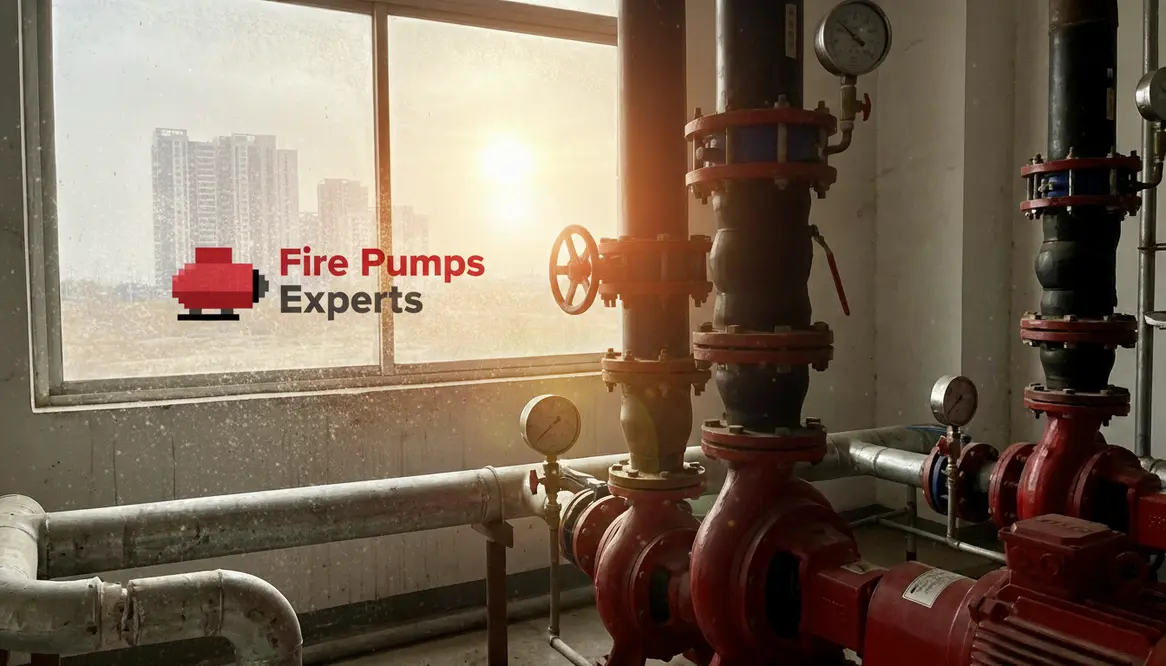
Bakersfield Fire Pump Compliance for High Rise Buildings
Fire pumps in high rise buildings are quiet professionals. When they fail, there is no dramatic countdown or warning label. They simply fail to deliver when the building needs them most. That reality turns compliance from a paperwork exercise into a life safety strategy, especially in Bakersfield’s tall and mixed use buildings.
I have spent years around fire protection systems, and if there is one thing I know, it is this: when a fire pump fails, it does not send a polite warning. It simply… doesn’t show up. That is why I often point clients back to the discipline behind New Jersey fire pump inspections. The standards there are strict, consistent, and frankly, a good benchmark for anyone managing complex properties. Now, let’s bring that same mindset west to Bakersfield, where high rise and mixed use buildings demand a sharper eye and a steadier hand.
Why Bakersfield Needs Big City Discipline
Bakersfield has many of the same challenges as dense metro markets: taller buildings, complicated water supply, and highly varied occupancies stacked into a single footprint. Applying the same rigor seen in regions known for tough standards, such as those behind New Jersey fire pump inspections, gives Bakersfield properties a practical blueprint to follow rather than guessing their way through compliance.
What makes fire pump compliance different in Bakersfield high rise buildings?
In Bakersfield, I deal with a unique blend of heat, infrastructure demands, and multi use occupancy. Therefore, fire pump compliance is not just about ticking boxes. It is about ensuring performance under stress.
High rise buildings rely heavily on vertical water delivery. That means your pump must overcome gravity while maintaining pressure across multiple floors. Meanwhile, mixed use properties add another layer. Restaurants, offices, and residential units all have different risk profiles.
So, I always approach compliance with three priorities:
- Consistent pressure across all levels
- Reliable backup power integration
- System compatibility with diverse occupancy needs
Because if your system works perfectly on the first floor but struggles on the fifteenth, that is not compliance. That is wishful thinking dressed in a hard hat.
Linking Local Practice To Proven Standards
Regions that emphasize strict routines, such as those that guide New Jersey fire pump inspections, prove the value of disciplined scheduling, documentation, and performance testing. Bakersfield’s environment may be different, but the principle stands: consistent, structured care beats last minute scrambling every single time.
Building a routine that actually works
I have seen too many facilities treat inspections like dentist visits. Delayed, avoided, and rushed at the last minute. However, fire pumps reward consistency.
Drawing from practices similar to New Jersey fire pump inspections, I recommend a layered schedule. Weekly churn tests keep parts moving. Monthly inspections catch early wear. Annual flow testing proves the system can perform when it matters.
A Simple Routine For Bakersfield High Rises
- Weekly: Quick churn tests and visual checks for leaks, noise, and vibration.
- Monthly: Full controller review, gauge readings, valves, and pump room conditions.
- Annually: Documented flow testing with real data on pressure and volume.
This kind of layered approach mirrors the mindset used in New Jersey fire pump inspections while still fitting the realities of Bakersfield high rise infrastructure.
Additionally, I always tell property managers to document everything. Not because paperwork is exciting, but because regulators love proof. And in this business, love from regulators is about as good as it gets.
Think of it like maintaining a classic car. You do not wait for smoke to pour out of the engine before opening the hood. At least, I hope you do not.
Power supply and backup systems you cannot ignore
Now, let’s talk power. Because even the best fire pump is just an expensive paperweight without it.
Bakersfield buildings must account for outages, especially during peak demand or extreme weather. Therefore, I always push for reliable backup systems, typically diesel driven pumps or emergency generators.
Primary Focus
- Ensure stable electrical supply with surge protection
- Maintain clean and tested fuel sources for diesel systems
- Run periodic load tests on generators
Common Oversights
- Ignoring battery health
- Letting fuel sit too long
- Skipping full system transfer tests
And yes, I have seen a generator fail because someone forgot to replace a battery. It is not dramatic. It is just quietly disastrous.
Bringing In Specialists When It Matters
If you want to understand just how critical reliable power and testing are, it helps to see how a full service fire pump provider treats the subject. Services like those described at https://kordfire.com/fire-pump/ show what thorough fire pump inspections, maintenance, and performance testing look like when done by dedicated professionals who live and breathe this work.
How do I keep my fire pump system inspection ready year round?
I keep it simple. I treat readiness as a daily mindset, not an annual event.
First, I ensure the pump room stays clean and accessible. You would be surprised how often clutter becomes a compliance issue. Second, I monitor gauges and controllers regularly. Small fluctuations often signal bigger problems ahead.
Then, I train staff. Because even the best system can fail if no one knows how to respond. A well trained team turns minutes into seconds, and seconds matter.
Everyday Habits That Keep You Ready
- Keep clear floor space and obvious access paths to the pump and controllers.
- Log gauge readings on a simple chart so you notice slow changes over time.
- Schedule short refreshers for building staff on basic responses and notifications.
- Bring in professionals for full scale inspections and flow tests, especially in complex buildings.
Also, I lean on professional inspections for commercial scale properties. Large buildings are not DIY projects. This is not a home improvement show where everything works out in 30 minutes with a clever edit.
Compliance pitfalls I see too often
Patterns That Keep Showing Up
Over time, patterns emerge. And unfortunately, so do repeated mistakes.
One common issue is neglecting system integration. Fire pumps must work seamlessly with alarms, sprinklers, and control panels. If one piece lags, the whole system suffers.
Another problem is outdated equipment. Bakersfield buildings that expand or renovate often forget to upgrade fire protection systems accordingly. That is like adding floors to a building but keeping the same elevator capacity. Eventually, something gives.
Finally, I see overconfidence. Passing one inspection does not guarantee future performance. Conditions change. Systems age. Complacency creeps in quietly, like a plot twist you did not see coming.
A Quick Mental Checklist
- Did the last renovation or tenant improvement include a fire protection reassessment?
- Are the fire pump, sprinklers, and alarm systems tested as a connected whole?
- Is your inspection plan as disciplined as the best New Jersey fire pump inspections, or is it stitched together from old habits?
Why professional oversight elevates compliance
I always advocate for expert involvement, especially for large commercial and industrial properties. Professionals bring specialized tools, deeper diagnostics, and a level of scrutiny that internal teams may miss.
Moreover, they stay aligned with evolving standards. Compliance is not static. Codes shift, expectations rise, and what worked five years ago may not pass today.
The Long Game Of Good Oversight
In my experience, investing in expert oversight saves money long term. It reduces emergency repairs, minimizes downtime, and most importantly, protects lives. It takes the structured mindset you see in strong programs like New Jersey fire pump inspections and applies it to Bakersfield high rise realities, where heat, load, and occupancy all push systems harder than most people realize.
FAQ: Fire pump compliance for Bakersfield buildings
Below are some of the questions I hear most often when property managers and owners start taking fire pump compliance seriously.
Conclusion
Fire pump compliance is not just about passing inspections. It is about ensuring your building stands ready when it matters most. I encourage you to take a proactive approach, align with proven standards, and bring in experts who understand complex systems. If you manage a high rise or mixed use property in Bakersfield, now is the time to act. Because when it comes to fire protection, preparation is not optional. It is everything.