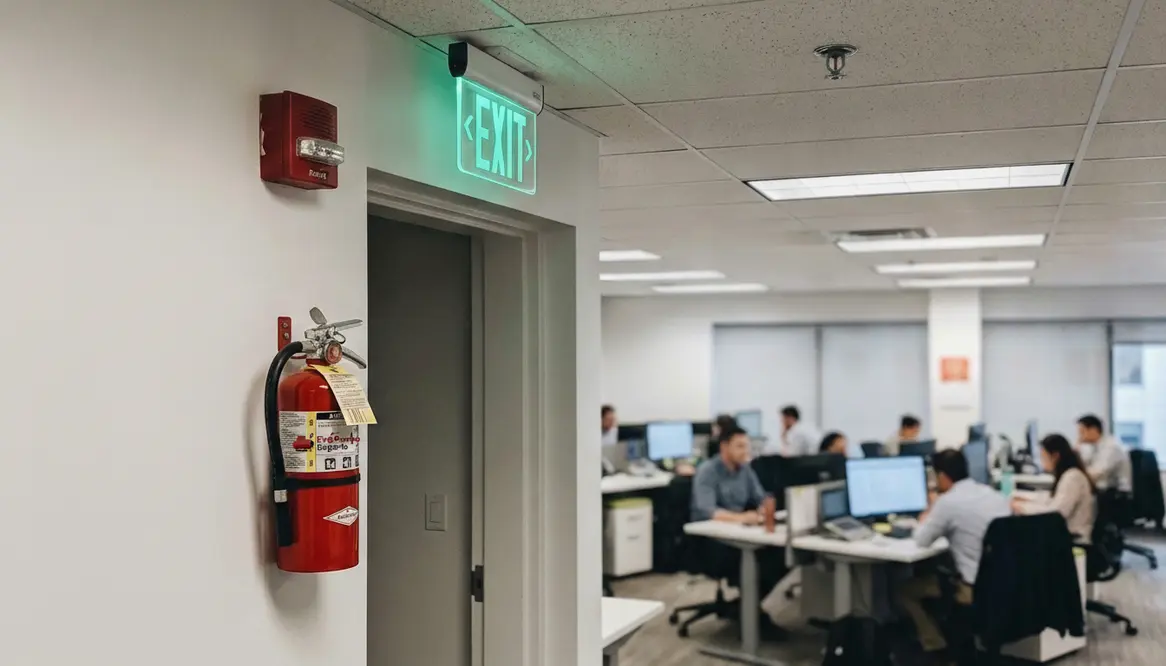
Commercial Office Fire Protection for Safer Work
Fire Protection for Commercial Offices: What I Focus on to Keep People Safe and Operations Moving
When I look at office fire protection systems, I do not just see alarms and sprinklers sitting on a ceiling like silent office decor. I see a business shield that protects people, records, equipment, and the workday itself. In a commercial office, one small spark can turn a normal Tuesday into a very expensive episode of chaos. So, I take fire protection seriously, because the goal is simple: stop danger early, help people exit fast, and keep the building ready for business. And yes, that includes the unglamorous but vital details that usually get ignored until smoke enters the chat.
Why commercial office fire safety starts with the building layout
I always start with the layout, because fire does not care about office culture, branding walls, or the motivational poster near the coffee machine. It follows heat, fuel, and airflow. That means I need to understand where people work, where wires run, where storage piles up, and where exits sit. In many offices, risk climbs in copy rooms, server areas, kitchens, and storage spaces. Therefore, I look at the full floor plan and match protection to the real use of the space.
Good planning also helps me reduce confusion during an emergency. Clear exit paths, visible signs, and well placed equipment make a big difference. In addition, I like to check that furniture, partitions, and storage do not block travel routes. A fancy office looks nice, but a blocked exit is still a blocked exit. Style should never outshine survival.
How office fire protection systems support fast response
office fire protection systems work best when each part plays its role without drama. First, smoke detection gives early warning. Then alarms alert everyone before the situation grows teeth. After that, suppression systems help control the fire while people move out safely. I treat these systems like a well run team. Nobody gets the Oscar for “Best Panic,” so the system needs to stay steady, simple, and reliable.
Here is the core setup I focus on for commercial offices:
- Smoke alarms and detectors that catch a fire early, before the room fills with smoke
- Sprinkler systems that control heat and slow fire spread
- Fire extinguishers placed where trained staff can reach them quickly
- Emergency lighting and exit signs that guide people out if power fails
- Fire panels and monitoring that help staff and responders track the emergency
However, systems only help if people trust them and know how to use them. That is why I push for regular checks, tests, and staff training. A fire alarm should not surprise people like a plot twist in a bad streaming series.
Office fire protection systems I trust for commercial buildings
When I compare protection options, I keep commercial use in mind at all times. Offices need solutions that fit larger spaces, mixed use areas, and heavy daily traffic. That is where reliable engineering matters most. For businesses wanting a deeper look at professional support, I point them to commercial fire protection solutions from Kord Fire, because strong systems and proper service keep a building ready for real world risk. In larger properties, I also look at specialized water supply setups, especially where high demand equipment must work during a fire event.
For those cases, I also review los angeles fire pump services as part of a broader commercial and industrial fire strategy. A strong pump setup helps support suppression performance when pressure and flow need to stay dependable. In other words, the building gets the water muscle it needs, which is far more useful than another inspirational slogan in the lobby.
Training, testing, and maintenance that keep the system ready
I never treat fire safety as a one time project. I treat it as an ongoing routine, because parts wear down, layouts change, and people forget things. So, I schedule inspections, test alarms, confirm sprinkler function, and review extinguisher status. I also make sure workers know the alarm sound, the exit route, and the right way to report a problem.
What I check
- Alarm tests
- Detector status
- Sprinkler heads
- Exit access
- Extinguisher tags
Why it matters
- Early warning
- Quick alerts
- Fire control
- Safe evacuation
- Ready response
Furthermore, I make sure the office changes stay matched to the protection plan. If a team adds storage, installs new equipment, or rearranges work areas, the fire plan should change too. A fire system frozen in time is like a phone with no updates. It might look fine, but it can fail when it counts.
FAQ: office fire safety for commercial offices
Conclusion
I take commercial office fire protection as a business essential, not a box to tick and forget. If you want safer staff, better compliance, and less risk to your property, I recommend reviewing your current protection plan now. Check your systems, test your response, and update weak points before a small problem becomes a full scale event. If you manage a commercial office or major property, now is the time to act and strengthen your fire safety setup.
When the focus stays on office fire protection systems, the office runs with fewer surprises, exits stay trustworthy, and emergency response becomes something people can follow instead of something people fear.
That same steady approach keeps office fire protection systems aligned with the real-world flow of work, not just the wiring diagram on paper.
And when maintenance and testing stay consistent, office fire protection systems stay dependable when the building needs them most.