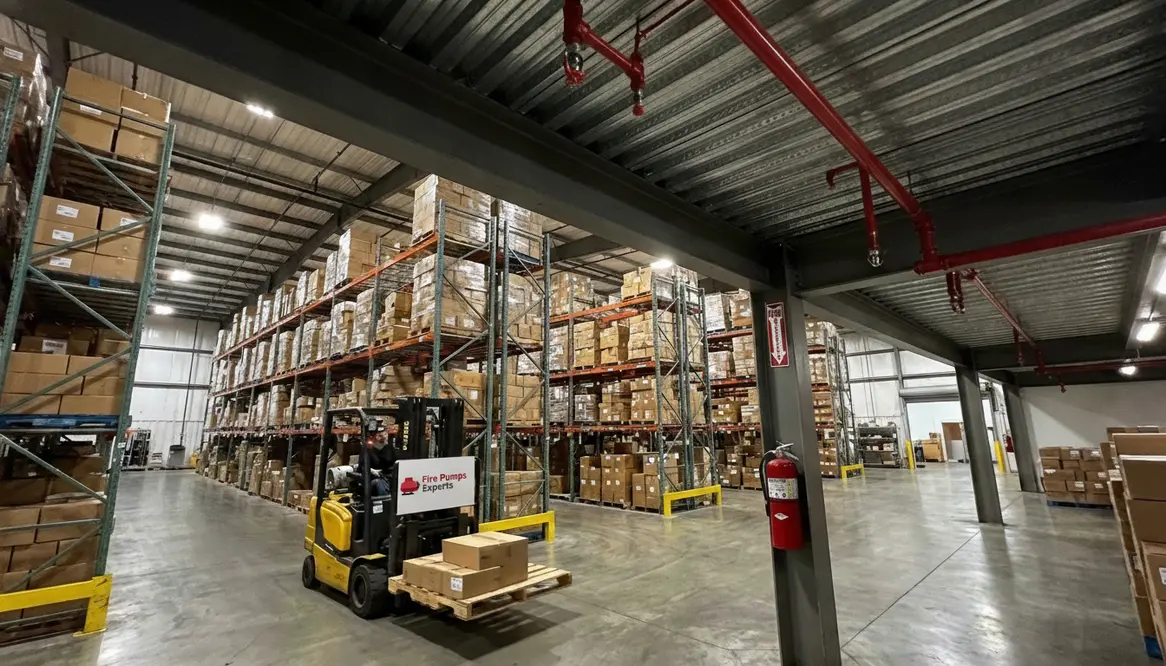
Distribution Centre Fire Protection for People and Stock
Fire Protection for Distribution Centres
I take distribution centre safety seriously, because one fast moving fire can turn a busy site into a costly mess before anyone can say “where did the boxes go?” That is why distribution centre fire protection matters from day one. These sites hold large stock levels, wide aisles, tall racks, fuel from forklifts, and nonstop activity. In other words, they are built for speed, and fire loves chaos. I focus on practical systems that protect people, stock, and uptime, while keeping operations calm and under control.
When I plan fire protection for a distribution centre, I look at more than sprinklers. I look at layout, storage height, product type, access paths, water supply, alarms, pumps, and maintenance. Then I build a system that fits the site, not a generic setup from some dusty manual on a shelf. Because let us be honest, fire does not care about your deadline.
What I check first in a distribution centre
I always begin with the building use. First, I study the goods stored, the rack height, and the floor plan. Then I check how people move through the site and where trucks, forklifts, and loading docks create risk. This step matters because fire grows differently in a high bay warehouse than in a low storage space. For that reason, I never assume one fix suits every site.
I also look at ignition sources. Charging stations, electrical panels, packaging waste, and hot equipment can all spark trouble. Meanwhile, poor housekeeping gives flames extra fuel, which is a gift nobody asked for. I want clean routes, clear exits, and enough room for fire crews to work fast if needed.
How I build distribution centre fire protection
I build protection in layers. First comes detection, so the site can spot smoke or heat early. Next comes alarm response, so staff know to act without panic. After that, I focus on suppression, which often means sprinklers, fire pumps, and water storage that can handle the site load. Finally, I review access and compartment control so fire stays in one area as long as possible.
For larger commercial and industrial facilities, I often use a fire pump because water pressure from the main supply may not be enough. That pump becomes the site’s quiet hero. It does not wear a cape, but it does the job when the pressure drops and every second counts. For more detail on pump systems, I use this resource: los angeles fire pump solutions for commercial and industrial facilities.
Key systems I focus on
I pay close attention to:
Detection and alarms
- Smoke and heat detection for early warning
- Audible alarms that reach every work zone
- Manual call points near exits and docks
Suppression and control
- Sprinkler systems matched to storage type
- Fire pumps for steady water flow
- Clear access for fire crews and emergency shutdowns
Each layer supports the next. So, if one part slows down, another step kicks in. That kind of planning keeps a small incident from becoming a full blown drama worthy of a streaming series.
Why warehouse layout changes the risk
Layout shapes fire spread. Tall racks can trap heat and push flames upward fast. Narrow aisles can also block access for sprinklers and crews. As a result, I always check spacing, rack design, and storage limits before I sign off on a plan. If goods sit too close to lights, heaters, or charging zones, I move them. Simple, yes. But simple often saves the day.
I also think about stock rotation. Fast moving goods shift often, while slow stock may sit for weeks. Therefore, I make sure the protection plan still works when the storage pattern changes. A good system should handle the real site, not just the pretty plan in the office meeting. That is distribution centre fire protection done with the actual schedule in mind, not the fantasy one.
Why regular checks keep the system ready
I never treat fire protection as a “set it and forget it” job. That phrase works for a coffee machine, maybe. It does not work for a distribution centre with thousands of square metres at stake. Instead, I schedule inspections, test alarms, check valves, and confirm pump performance. Then I fix issues before they turn into emergencies.
Maintenance also protects compliance. More importantly, it protects lives and stock. Broken heads, blocked valves, dead alarms, and weak pumps can all reduce response time. Therefore, I keep records clear and actions fast. If something changes in the building, I update the system right away. Distribution centre fire protection is a living plan, not a forgotten folder.
Where I start if I need expert help
When a site needs a better plan, I start with a proper review from a fire protection team that understands commercial and industrial sites. I look for experts who can assess risk, design systems, and support long term maintenance. If you want a place to begin, I recommend reviewing the guidance at Kord Fire protection services. It helps frame the right questions before upgrades begin.