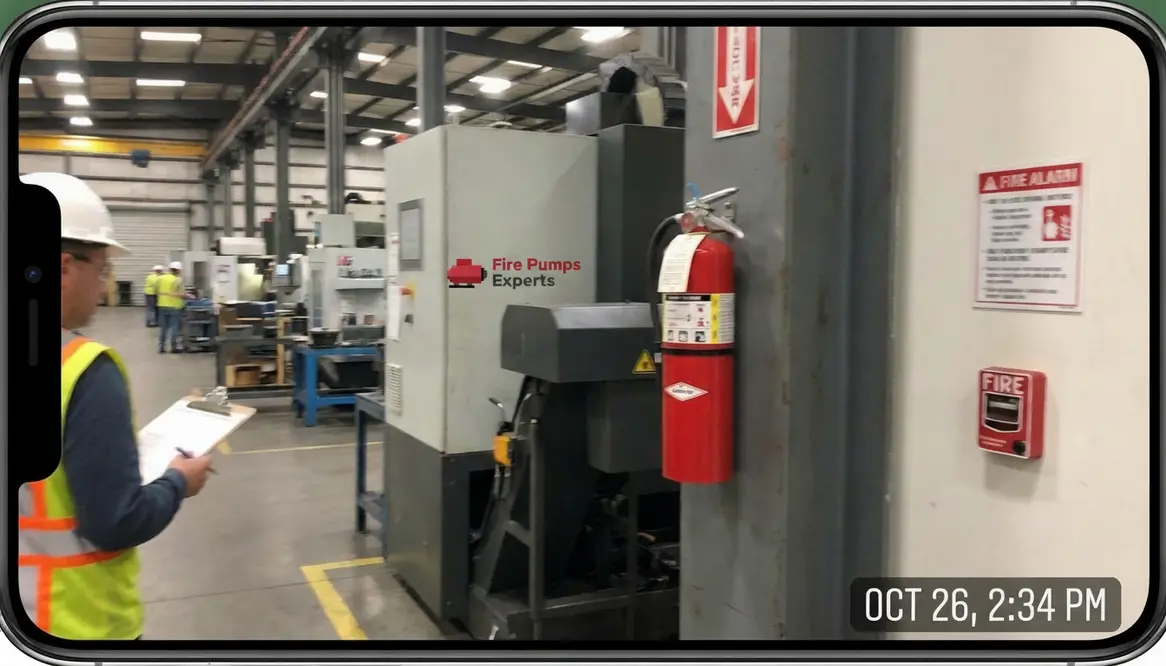
Fire Protection for Manufacturing Facilities
Fire Protection for Manufacturing Facilities is not the kind of topic that makes people lean forward at a dinner party, unless the dinner party is full of plant managers and risk officers. Still, it matters. I have seen how one missed spark can turn a busy floor into a shutdown, and that is never a fun episode. In manufacturing, fire safety is not just about alarms and sprinklers. It is about keeping production steady, protecting people, and avoiding a financial mess that makes even the best balance sheet cry a little.
In this guide, I break down what strong manufacturing fire protection looks like, how I approach it, and why a smart plan can protect both your team and your bottom line. I will keep it practical, clear, and just detailed enough to save you from the kind of fire trouble nobody wants to see trending on a Monday morning.
Why manufacturing fire risk deserves a serious plan
Manufacturing sites face more fire risk than many other commercial spaces. Machines run hot, dust builds up, fuels sit nearby, and electrical systems work hard all day. Then there is welding, cutting, painting, storage, and moving parts that seem to enjoy drama. So yes, I treat fire risk here as a live issue, not a box to check once and forget.
Because of that, I start with the full picture. I look at the materials used, the heat sources, the layout of the building, and the way people move through the site. I also look at where a small fire could spread fast. That matters, because a small issue in one corner can become a full shutdown before lunch. Nobody wants that kind of surprise.
How I build a strong fire safety plan
I build fire safety around three things: detection, suppression, and response. First, I make sure the site can spot danger early. Next, I look at how the system will control the fire. Then I focus on how people will react when alarms go off. After all, a fire plan that nobody understands is about as useful as a wrench in a sandwich.
In my view, the best plans match the site. A food plant does not need the same setup as a metal shop. A warehouse full of boxed goods does not face the same heat load as a plant with solvents and open flame work. Therefore, I tailor the protection to the real risk. That is where the value lives.
What systems I focus on first
When I review manufacturing fire protection, I pay close attention to these core layers:
• Fire alarms and early warning systems so staff can act fast
• Sprinkler systems that match the building use and fire load
• Fire pumps that keep water flow strong when it counts
• Special suppression systems for equipment, electrical rooms, or chemical areas
• Emergency lighting and exit paths so people can move out safely
These systems work best together. A sprinkler without reliable water supply is like Batman without the Batmobile. Technically still a hero, but not nearly as effective. That is why I make sure every layer supports the next one.
Fire pump and water supply needs
Water delivery often decides how well a system performs. If pressure drops or flow slows, protection weakens fast. So I always check the pump, the supply, and the design demand together. For larger industrial sites, this step matters even more because many of them need steady output under heavy load.
For a deeper look at pump support for industrial sites, I recommend reviewing this los angeles fire pump resource. It gives a useful view of how pump systems support large commercial and industrial properties. Also, if you want a broader look at system design and service options, this fire protection partner is a helpful place to start.
How I reduce fire risk on the floor
Technical systems matter, but daily habits matter too. I always tell teams that good fire safety lives in the small stuff. For example, I look at housekeeping first. Dust, scrap, and packed storage raise risk fast. I also check fuel storage, hot work permits, electrical panels, and blocked exits. Then I ask the simple question: would I want to rely on this setup if a fire started at 2 a.m.? That question cuts through a lot of noise.
Training also matters. Staff should know what the alarm sounds like, where to go, and who calls emergency services. They should also know how to shut down equipment if safe to do so. However, I do not want them improvising like they are in an action movie. Calm, clear steps win the day.
Dual column view: key priorities by area
Production Area
Watch heat, sparks, moving machinery, and dust buildup.
Keep suppression matched to the machines and materials.
Storage Area
Separate flammable items from heat sources.
Keep aisles open and stack goods with care.
Electrical Rooms
Protect panels with the right system.
Inspect wiring and clear away clutter.
Staff Areas
Post clear exit routes and alarm steps.
Run drills often so people do not freeze when seconds count.
What I check during inspections and testing
Inspections keep a plan alive. I do not treat them as paperwork theater. I check sprinkler heads, valves, alarm panels, pump readiness, backup power, and flow performance. I also look for changes in the building itself. A new machine, a shifted rack, or a changed process can alter risk without warning. Therefore, I treat every inspection as a chance to catch trouble early.
Testing matters just as much. Systems can look fine and still fail when pressure drops or parts wear out. Regular testing gives real proof that the system will respond when needed. In my experience, that peace of mind is worth a lot more than a crossed finger and a hopeful shrug.
FAQ
Conclusion
If I were protecting a manufacturing site, I would treat fire safety as a daily business priority, not an emergency afterthought. The right systems, the right testing, and the right team habits can save people, property, and production time. So do not wait for a close call to act. Review your current setup, tighten the weak spots, and build a stronger plan now. Your facility will run safer, and your future self will thank you.