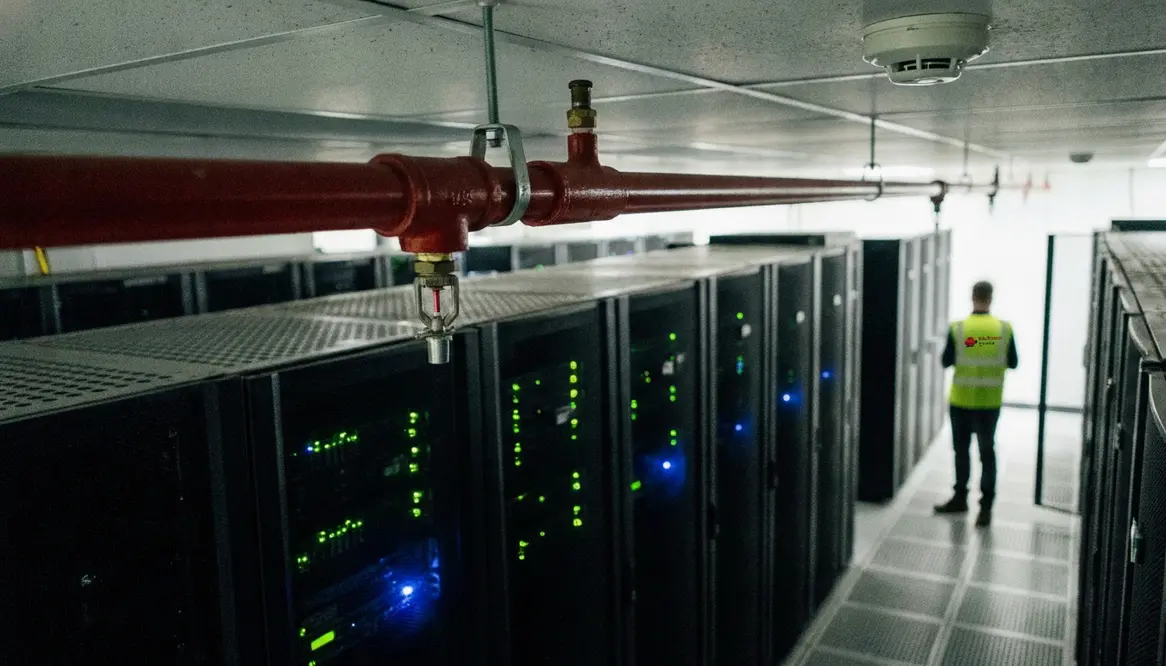
Data Centre Fire Protection: Protect Uptime and Equipment
Fire Protection for Data Centres: How I Keep Critical Systems Safe
When I talk about data centre fire protection, I am really talking about uptime, trust, and the quiet confidence that the lights stay on when it matters most. A data centre holds the kind of equipment that does not forgive mistakes. One small fire can trigger shutdowns, destroy hardware, and put business operations on ice faster than a frozen laptop in a winter storm. So, I plan for fire before it ever gets a chance to show up. That is the whole point. Good protection does not just react. It anticipates, contains, and keeps the damage small.
In a place full of servers, cables, batteries, and power systems, I know that heat can build fast and smoke can spread even faster. Therefore, I treat fire protection as a core part of the building, not an add on. It protects the equipment, yes, but it also protects the people who work there and the business that depends on every blinking light. That is not drama. That is just good engineering with a calm face and a very serious job.
What makes a data centre fire risk different?
Data centres are not like ordinary office spaces. First, they pack a huge amount of electrical load into a tight area. Next, they run all day, every day, which means there is little room for error. Batteries, UPS systems, cooling gear, and cable trays all create heat and possible ignition points. In addition, a small fault can spread through an enclosed space before anyone notices.
I also look at the way fire behaves around sensitive equipment. Water can stop flames, but it can also destroy servers, storage systems, and network gear. So, the real challenge is not just putting out fire. It is stopping fire without turning the whole room into a very expensive indoor swimming pool. That is why the protection strategy must fit the site, the load, and the business risk.
How I build a strong protection plan
To create solid data centre fire protection, I start with layers. One system alone is never enough. Instead, I combine detection, suppression, compartment control, and maintenance. Each layer does a specific job, and together they reduce risk before a fire grows legs.
Left column
- Fast detection
- Clean suppression
- Regular testing
Right column
- Heat control
- Clear access routes
- Staff training
First, I want early detection. Smoke and heat sensors should catch a problem before it becomes a full event. Then, I look at suppression systems that suit the room. Clean agent systems often work well because they can suppress flames without soaking equipment. However, the right choice depends on the layout and the fire load.
Finally, I keep the plan simple enough for real people to use under pressure. A fancy system that nobody understands is like a spaceship with no pilot. Great in theory. Less helpful when alarms start shouting.
Which systems matter most in data halls?
In the main data hall, I focus on systems that act early and cause minimal damage. Clean agent suppression often gets attention here because it leaves no residue and helps protect equipment. In addition, very early smoke detection can catch tiny signs of trouble long before flames appear. That buys time, and time is gold in a critical site.
I also pay close attention to electrical rooms, battery spaces, and switchgear rooms. These areas often carry higher risk than the server floor itself. Therefore, I design protection for each zone rather than treating the whole building the same way. One room may need a different approach than another, and that is perfectly normal. One size fits all sounds nice, but it rarely works in the real world. It is a bit like using the same key for every door and hoping for the best.
Why maintenance and testing decide the outcome
I have seen plenty of systems that looked fine on paper and failed in practice because nobody maintained them. Fire protection is not a “set it and forget it” setup. It needs checks, tests, and records. Sensors drift. Nozzles clog. Panels age. Even the best gear gets grumpy without attention.
That is why I build a routine inspection schedule and keep every service log current. I also test alarms, review battery backup, and confirm that suppression equipment still matches the site conditions. In addition, I make sure staff know what the warning signals mean. A fast, calm response can save equipment, reduce downtime, and keep a small incident from becoming a business headache with a very long invoice.
How I choose the right fire pump and support services
For larger commercial and industrial properties, the support systems matter just as much as the detection gear. If water-based suppression or site-wide protection is part of the design, pump performance must stay reliable. That is why I review capacity, pressure needs, and service history before I rely on any setup. For more on pump support for major sites, I refer to los angeles fire pump services. It helps me keep critical fire systems ready when they are needed most.
For broader planning and expert support, I also use Kord Fire protection solutions as a reference point. It helps me compare service options and stay focused on practical protection for high value sites. After all, a data centre does not need guesses. It needs systems that work, staff who know the plan, and support that shows up before disaster starts writing the script.
FAQ
Conclusion
If I want a data centre to stay open, I treat fire protection as a business strategy, not just a safety rule. Strong design, early detection, proper suppression, and regular testing all work together to protect uptime and peace of mind. If you manage a critical site, now is the time to review your systems, close the gaps, and make sure your protection is ready before trouble arrives.