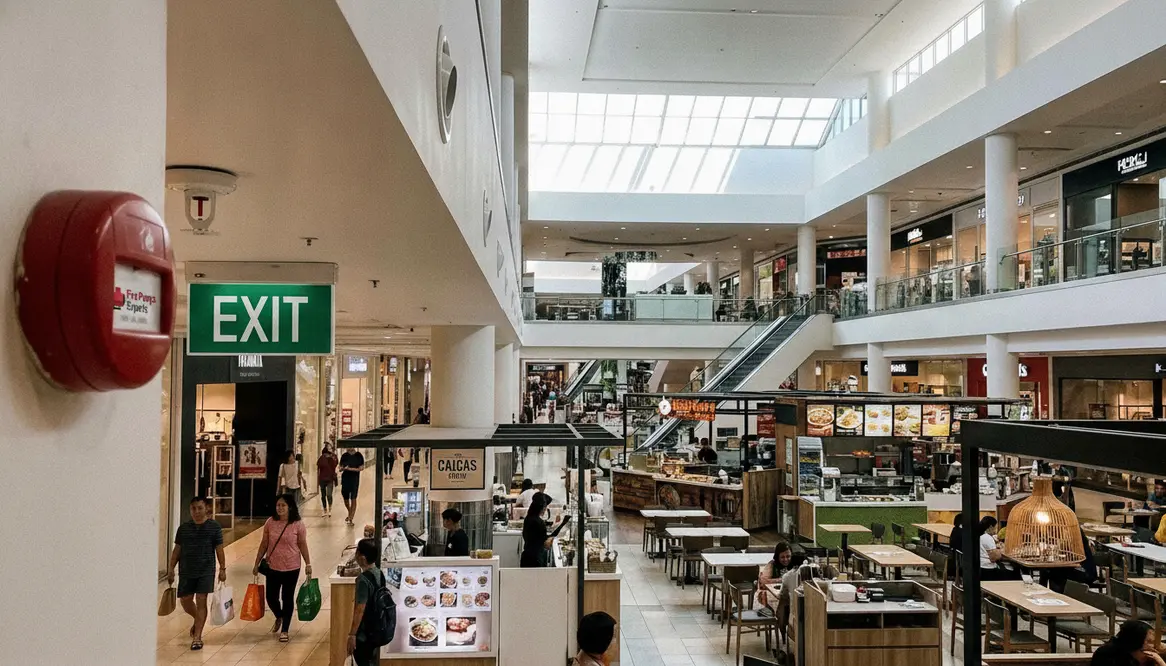
Shopping Centre Fire Protection: A Layered Safety Plan
When I talk about shopping centre fire protection, I am talking about more than alarms on a wall and sprinklers in the ceiling. I am talking about a full safety plan that helps protect people, stock, operations, and the kind of peace of mind that keeps a busy centre moving. A shopping centre carries a lot under one roof: food courts, cinemas, clothing stores, car parks, loading bays, and crowds that seem to appear like a Marvel post credit scene. Because of that, fire risk needs a serious, layered answer, not a quick fix.
In this article, I will break down what matters most, how systems work together, and where smart planning makes the biggest difference. I will keep it practical, direct, and easy to follow, because fire safety should not read like a tax form with a smoke alarm.
What I look at first in shopping centre fire safety
I always start with the building itself. Every shopping centre has its own layout, traffic flow, and risk points. For example, a food court brings grease and heat. A cinema brings dark spaces and slow exits. Meanwhile, loading docks and plant rooms can create hidden hazards that people forget until trouble starts. So, I map the site in layers.
First, I look at escape routes. They must stay clear, visible, and wide enough for fast movement. Next, I check fire doors, exit signs, emergency lighting, and compartment walls. These details work together to slow fire spread and guide people out safely. Then I review the high risk areas, because a centre is only as strong as its weakest corner. That is where good planning earns its keep.
Why a layered fire system matters
No single system can do the whole job. Instead, I rely on layers that support each other. Automatic sprinklers help control heat and flame. Fire alarms alert staff and visitors early. Smoke control helps keep escape paths usable. In addition, trained staff can act before a small issue becomes a headline nobody wants.
Here is a simple way to think about it:
Detection notices danger fast.
Suppression slows or stops the fire.
Containment limits spread through the building.
Evacuation support helps people move out safely.
This is why shopping centre fire protection must stay joined up. If one part fails, the others carry the load. That is not just smart. It is what keeps a busy venue from turning into a very expensive episode of chaos.
How I keep systems ready for real use
Testing and maintenance matter just as much as the equipment itself. A sprinkler system that has not been checked is like a superhero who forgot the suit. It looks ready until the moment you need it.
I make sure inspections happen on schedule. That includes alarms, hydrants, pumps, valves, emergency lights, and smoke systems. Also, I check that records stay current, because compliance teams and insurers love paperwork almost as much as they love sleep. More importantly, regular testing finds weak spots before they become real problems.
I also train staff. Even the best system needs people who know what to do. Staff should know how to raise the alarm, guide visitors, support evacuation, and respond to small incidents without panic. Calm action saves time, and time saves lives.
Layer 1: Water control
Pressure and flow decide how well suppression performs when things get loud.
Where fire pumps fit into the plan
Fire pumps play a major role in commercial and industrial fire systems, especially in larger properties with high water demand. In a shopping centre, pressure and flow can make all the difference when sprinklers or hydrants need to perform under stress. That is why I treat pumps as a core part of the wider protection plan, not just a side note in the equipment room.
For a closer look at pump solutions for major properties, I refer to this los angeles fire pump resource. It helps explain why reliable water delivery matters so much when a system has to perform without delay. I also use Kord Fire protection services as a useful reference for building protection planning and related fire safety support.
The right pump setup supports shopping centre fire protection end-to-end, because the best alarm and the fastest exit plan still need suppression that works when it matters.
How I plan for people, crowd flow, and emergency response
Shopping centres move differently from offices or warehouses. People arrive in waves, linger in groups, and may not know the layout well. Because of that, I plan evacuation with real human behavior in mind, not just diagrams on a wall.
Signage must be obvious. Exit paths must stay open. Public address systems should give clear instructions. Also, centre management needs a simple chain of command so decisions happen fast. During an emergency, confusion spreads faster than fire rumors on social media, and that is saying something.
Two things matter most here. First, I keep communication simple. Second, I make sure staff know their roles before an incident starts. That way, the response feels organized instead of improvised. That is the practical side of shopping centre fire protection that people can actually feel.
FAQ
Quick answers to the questions that keep popping up when shopping centre fire protection is on the agenda.
Conclusion
If I want real safety, I do not settle for a single device or a once a year checklist. I build a system that supports people, protects property, and stays ready every day. That is the real value of shopping centre fire protection. If you manage or own a major retail property, now is the time to review your current setup, close the gaps, and speak with a fire protection specialist who understands large commercial spaces.