Commercial buildings run on schedules. Fire safety runs on readiness. These systems are the difference between “what if” and “handled.”
In busy office towers, warehouses, and industrial plants, commercial building sprinkler systems quietly do the job while you do yours.
Design, water supply, and upkeep turn risk into a controlled event. That is the goal, every time.
When I talk about commercial building sprinkler systems, I am talking about the quiet workhorse that stands between a small fire and a very bad day. In a busy office tower, warehouse, or industrial plant, these systems do not ask for applause. They just show up, do their job, and save people, property, and a whole lot of stress. I have seen how good design, reliable water supply, and steady maintenance can turn a fire risk into a controlled event. And yes, in the world of fire safety, “controlled event” is about as close to a standing ovation as you get.
In this guide, I will walk through how I approach design, water supply, and maintenance for sprinkler systems in commercial and industrial buildings. I will keep it practical, clear, and grounded in real building needs. Because when the stakes are high, nobody wants a system that acts like a diva on opening night.
I start with the building use. A storage warehouse, a high rise office, and a manufacturing plant all need different protection. So, the first step is not guesswork. It is hazard review. I look at ceiling height, occupancy, stored goods, layout, and fire load. Then I match the system type to the risk.
For example, light hazard areas need a different sprinkler response than high pile storage. In some buildings, I use wet pipe systems because they are simple and fast. In colder spaces, I may need dry pipe systems so the water does not freeze and turn the whole setup into a very expensive ice sculpture. I also check spacing, coverage, and obstructions. A sprinkler head hidden behind a beam is not doing anyone any favors.
Just as important, I think about future changes. Commercial buildings evolve. Tenants move. Equipment changes. Storage grows. Therefore, I try to design with enough flexibility to handle real life, not just the shiny version in the drawings.
Water supply is the heart of the system. If the design is the skeleton, then water is the muscle. I always check if the site has enough pressure and flow to support the sprinkler demand. If it does not, I know I need another solution.
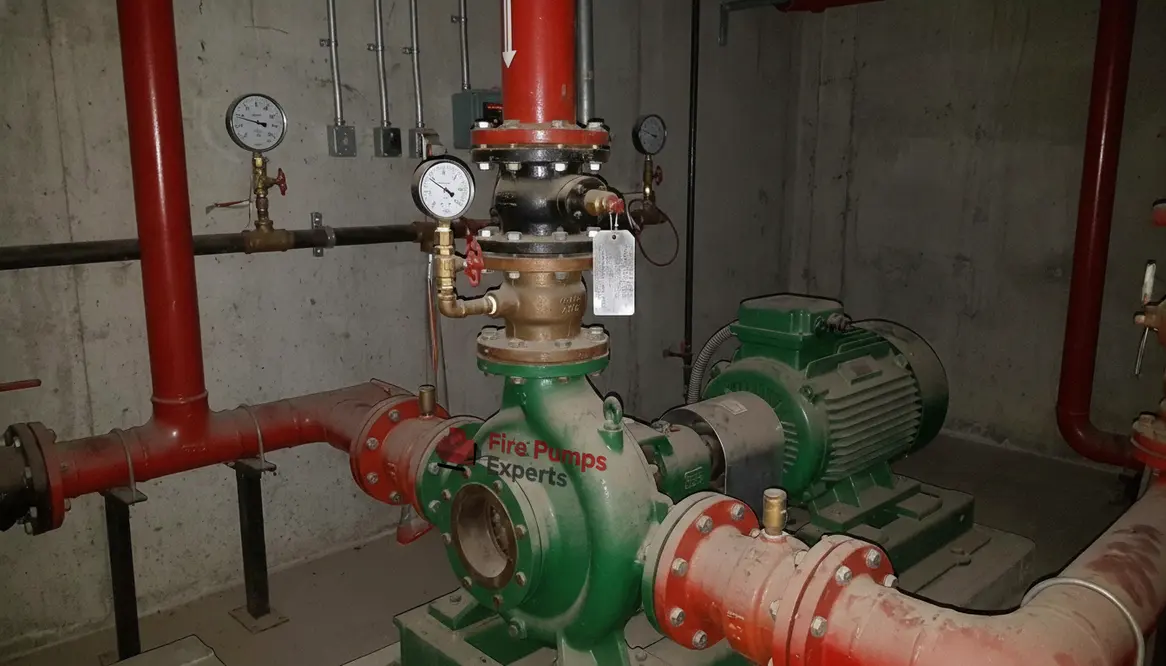
That solution may include a fire pump, a storage tank, or both. I also review the municipal supply, test results, and peak demand conditions. A system can look perfect on paper, but if the water supply drops when the building needs it most, the whole plan weakens fast. That is why I treat water data like gold, not gossip.
For deeper guidance, I often refer to AS 2118 fire pump requirements for sprinkler systems. It helps me align pump selection and system performance with the right standard. And when I need a local resource for commercial and industrial fire protection support, I also review los angeles fire pump services for commercial properties to stay focused on major building needs.
A sprinkler system is not a “set it and forget it” deal. That mindset belongs to old coffee makers and maybe a few streaming passwords. I maintain these systems because time, dust, corrosion, and building changes all take a toll.
I look for blocked heads, leaks, damaged pipes, and valve issues. I also test alarms, water flow, and control valves. If a valve gets left shut, the system cannot work. That sounds obvious, but I have seen stranger things in the field. Regular inspections also help me catch rust, sediment, or mechanical wear before they become bigger problems.
For commercial and industrial facilities, I treat maintenance as part of risk control. A healthy system supports business continuity, protects staff, and helps avoid shutdowns. In short, it keeps the building from becoming the next episode of “This Could Have Been Prevented.”
Design, supply, and maintenance work best when they move together. I do not see them as separate tasks. I see them as one chain. If one link weakens, the whole system loses strength.
Here is how I keep the process clean and effective:
I match the sprinkler layout to the building’s use, hazard level, and code needs.
I verify flow, pressure, and pump support so the system can perform during a fire event.
I inspect, test, and repair the system so it stays ready over time.
This approach helps me avoid gaps. It also makes life easier for building owners, facility managers, and anyone who would rather spend the day running a business than chasing a system failure.
If you are running the building, managing risk, or planning upgrades, these are the questions that come up again and again around commercial building sprinkler systems.
I do not treat fire protection as a box to check. I treat it as a core part of building safety and business protection. If you manage a commercial or industrial property, now is the time to review your sprinkler design, test your water supply, and tighten your maintenance plan. Do not wait for a problem to announce itself with smoke and panic. Get ahead of it, stay ready, and keep your building protected with a system that works when it matters most.