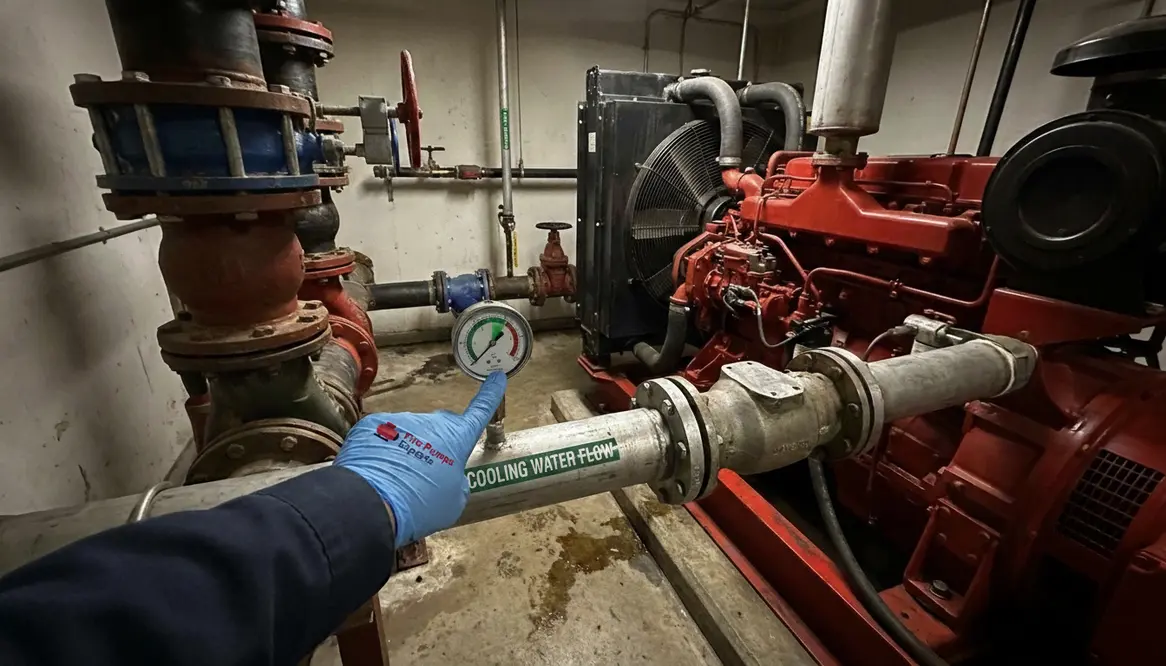
Diesel Fire Pump Cooling Water Flow Why It Matters
Why Technicians Check Diesel Fire Pump Cooling Water Flow
I have seen a lot of fire pump rooms in my time, and one thing stays true: if the cooling water flow goes sideways, the whole diesel fire pump can start acting like it missed breakfast and had a bad attitude about it. That is why technicians check the diesel fire pump cooling water flow problem so closely. In commercial and industrial facilities, and in major property buildings, this check protects the engine from heat damage, keeps the system ready for an emergency, and helps make sure the pump starts when people need it most. In short, I do not treat cooling water flow like a side note. I treat it like the quiet hero in the room.
What Cooling Water Flow Does in a Diesel Fire Pump
The cooling water flow keeps the diesel engine from running too hot while it powers the fire pump. When the engine runs, it makes heat. A lot of it. So the cooling system moves water through the engine jacket or heat exchanger and carries that heat away.
When I check this flow, I am not just looking for water movement. I am checking whether the engine can stay in a safe range under load. If the flow drops, the engine can overheat, lose efficiency, or fail during a fire event. That is not the kind of drama any building owner wants.
Here is the simple version: no steady cooling water flow means no reliable engine health. And no reliable engine health means the fire pump room is doing its best impression of a ticking clock.
Why Technicians Check Diesel Fire Pump Cooling Water Flow
Technicians check this flow because they need proof that the system can do its job under stress. A diesel fire pump may sit idle for long periods, but when it starts, it must perform right away. So I look for anything that could block, reduce, or disrupt the cooling water path.
Common checks include:
- Confirming the cooling water line has proper pressure and movement
- Looking for blocked strainers, closed valves, or pipe scale
- Checking heat exchanger performance
- Watching for leaks, air pockets, or weak pump circulation
- Verifying that the engine does not run hotter than it should during test start
These checks matter because a small issue can turn into a big repair. A loose valve today can become an overheated engine tomorrow. And nobody wants that kind of plot twist, not even in a movie.
Common Signs of a Diesel Fire Pump Cooling Water Flow Problem
When I inspect a system, I watch for signs that point to trouble early. That way, I can fix the issue before it becomes a failure. A cooling water flow problem often shows up through heat, noise, or unstable operation.
Look for these warning signs:
- Rising engine temperature during test runs
- Weak or uneven water movement at the discharge or return line
- Rust, debris, or mineral build up in the line
- Unusual noise from the engine or cooling circuit
- Frequent shutdowns or alarms tied to heat
If I see two or more of these together, I take them seriously. The system may still run, but it may not run well when the stakes rise. That is why steady checks matter in large commercial properties, warehouses, hospitals, and other major facilities where downtime can hit hard.
How I Inspect the Cooling Water System
I use a step by step process because guessing has no place in fire protection. First, I confirm the valves are open and the piping is set up correctly. Then I inspect strainers and fittings for debris or wear. After that, I check the heat exchanger and related parts for buildup or damage.
Next, I run the diesel fire pump and watch the temperature rise and stabilize. If the engine climbs too fast, I know I need to dig deeper. I also listen for changes in sound, since a healthy cooling system tends to run smooth and steady. A rough flow or a strange vibration often tells me something is off before the gauges scream for attention.
What I Verify
Water flow rate, valve position, strainer condition, heat level
Why It Matters
It helps me catch flow loss, heat stress, and early system failure
That simple routine saves time and protects the equipment. More important, it helps the fire pump stay ready for the one moment nobody wants, but everybody must prepare for.
Where Service and Standards Fit In
I always tie inspection work back to the bigger fire protection picture. A diesel fire pump does not work alone. It connects to the building’s fire protection plan, and that means the cooling system must support the same level of care as the rest of the setup. For that reason, I often review system service guidance from trusted sources like los angeles fire pump service resources when I compare best practices for commercial systems. I also keep an eye on related electrical and fire safety support through Kord Electric and broader fire protection service information such as Australian fire sprinkler services.
That kind of reference helps me stay sharp, especially when a site has a large pump room, a long maintenance history, or several systems that must work together. In this business, details matter. A lot. The difference between “looks fine” and “is fine” can be a hot engine and a very bad afternoon.
FAQ
Conclusion
I check diesel fire pump cooling water flow because it keeps the engine safe, the system ready, and the building protected. In commercial and industrial spaces, and in major properties, small cooling issues can grow fast if nobody watches them. So if you want dependable fire pump performance, do not wait for heat trouble to make the first move. Schedule a careful inspection, track the flow, and keep your fire protection system in fighting shape.