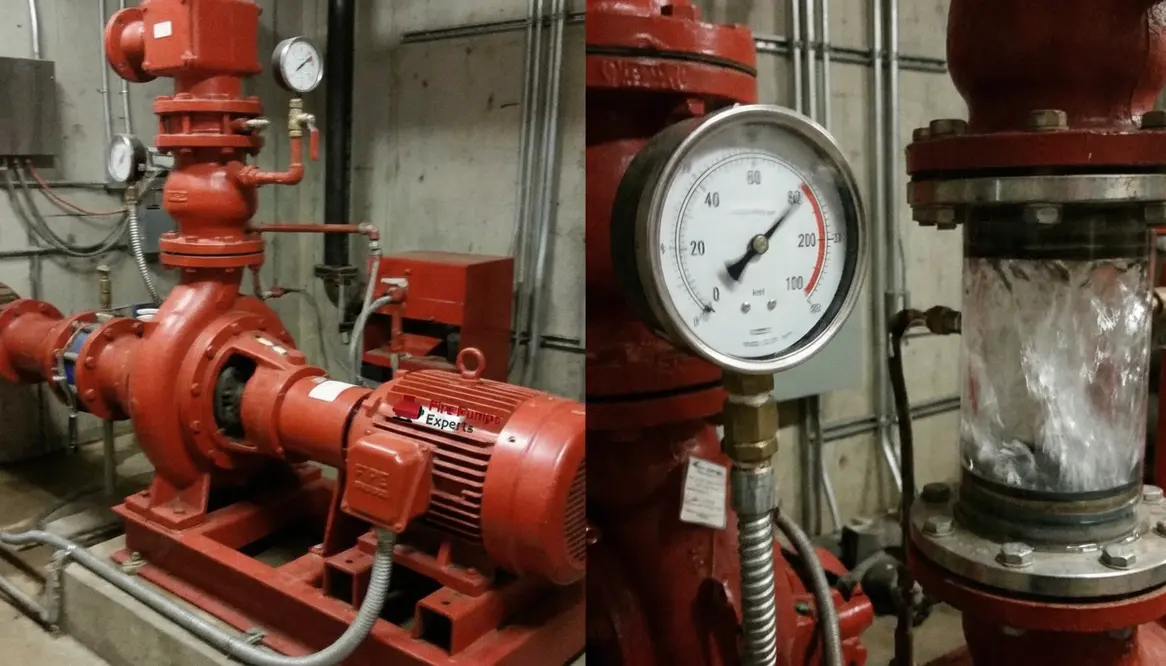
Fire Pump Vibration at High Flow What Technicians Notice
Fire Pump Vibration at High Flow: What Technicians Notice
When a fire pump starts shaking during peak demand, it is not “just noise.” It is the system talking back.
What Technicians Notice When a Fire Pump Starts Vibrating at High Flow
When a fire pump starts vibrating at high flow, I do not treat it like a small nuisance. I treat it like a message. The pump is telling us something about the system, the pipe layout, the water supply, or the pump itself. In a commercial or industrial facility, that kind of shake can turn into a bigger problem fast, and nobody wants a fire protection system acting like it just heard the opening drum solo from a rock concert. So, I look closely, listen carefully, and move with purpose.
In my work, I have learned that fire pump vibration at high flow often points to a flow condition that pushes the pump outside its best comfort zone. Sometimes the cause is simple. Sometimes it hides deeper in the system. Either way, I want to find it before it grows into wear, noise, seal damage, or worse. And yes, a pump can be loud enough to make even a calm engineer raise an eyebrow.
For facilities that depend on dependable fire protection, I also keep system design, inspection history, and related equipment in mind. When I need a deeper service reference, I look at commercial fire pump service guidance from trusted sources such as los angeles fire pump service resources and broader fire protection support through industrial electrical and fire system support. For sprinkler related coordination, I also review fire sprinkler service solutions.
What I Check First When the Pump Shakes
First, I look at the flow demand. If the pump starts vibrating only at high flow, I check whether the system is pulling more water than expected. That can happen during testing, but it can also happen because a major facility has expanded, the pipe network has changed, or the pump is simply operating near the top of its curve. When that happens, the pump may move away from smooth operation and start to pulse like it is trying to keep pace with a fast beat.
Next, I inspect suction conditions. Low suction pressure, poor inlet piping, or air getting into the line can all trigger vibration. Also, I check for signs of turbulence near elbows, valves, reducers, or any piping that sits too close to the pump inlet. A pump hates messy water entry. It wants calm, even flow, not a rushed crowd at the door.
What the Sound and Feel Tell Me
Vibration often arrives with other clues. So, I listen for changes in tone, rattling, humming, or a sharp growl. Then I feel for where the vibration shows up most. If the frame shakes harder than the pipe, I look at alignment, base support, and bearing condition. If the discharge line moves a lot, I suspect hydraulic upset or poor anchoring. In other words, I let the machine speak, because it usually does, even when it has no words and very little patience.
Here is how I break down the most common signs:
What I Notice
What It Often Means
Strong shake at higher demand
Pump may be moving beyond ideal operating range
Rattling near suction piping
Air, turbulence, or poor inlet layout may be present
Heat near bearings
Wear, misalignment, or added stress may be building
Pressure swings during flow
System may be unstable or valves may need review
Why High Flow Creates Trouble in Commercial Systems
High flow changes everything. It raises load, shifts pressure balance, and puts more stress on the moving parts. In a large commercial or industrial property, that can expose weak spots that never showed up during lighter use. For example, a pump may perform fine during a basic test, then start to shake when the system demands full output. That does not mean the pump failed overnight. Instead, it means the pump has reached the part of the map where the road gets rough.
At this stage, I also check impeller condition, wear ring clearance, and any sign of internal damage. A worn pump can still move water, but it may do so with more vibration and less control. Then, I look at the motor or driver side as well, because a problem there can travel through the whole assembly. Fire protection systems do not enjoy drama. They want balance, not a sequel.
How I Track the Root Cause
I follow a simple path. First, I confirm the flow point and compare it to the pump curve. Then, I review suction pressure, discharge pressure, and any recent changes to the facility. After that, I inspect support, alignment, and condition of connected parts. If needed, I compare the system against inspection and service records so I can see whether the problem is new or has been building for months.
I also keep an eye on how the pump behaves during repeated starts. If the vibration gets worse with each run, I take that as a clear warning. On the other hand, if it only appears during peak demand, the issue may sit in the hydraulic path, not in the motor or bearings alone. That is why I never guess. I trace. I compare. I confirm.
FAQ
Quick answers technicians reach for when fire pump vibration at high flow shows up and everyone wants the “why” before the next test.
Conclusion
If I hear or feel fire pump vibration at high flow, I do not brush it off. I treat it as an early warning and act fast. For commercial and industrial facilities, that kind of attention protects the pump, the system, and the building it serves. If your fire pump is shaking, start the inspection now, review the flow path, and bring in the right service support before a small issue turns into a costly one. Quiet confidence starts with a steady pump.