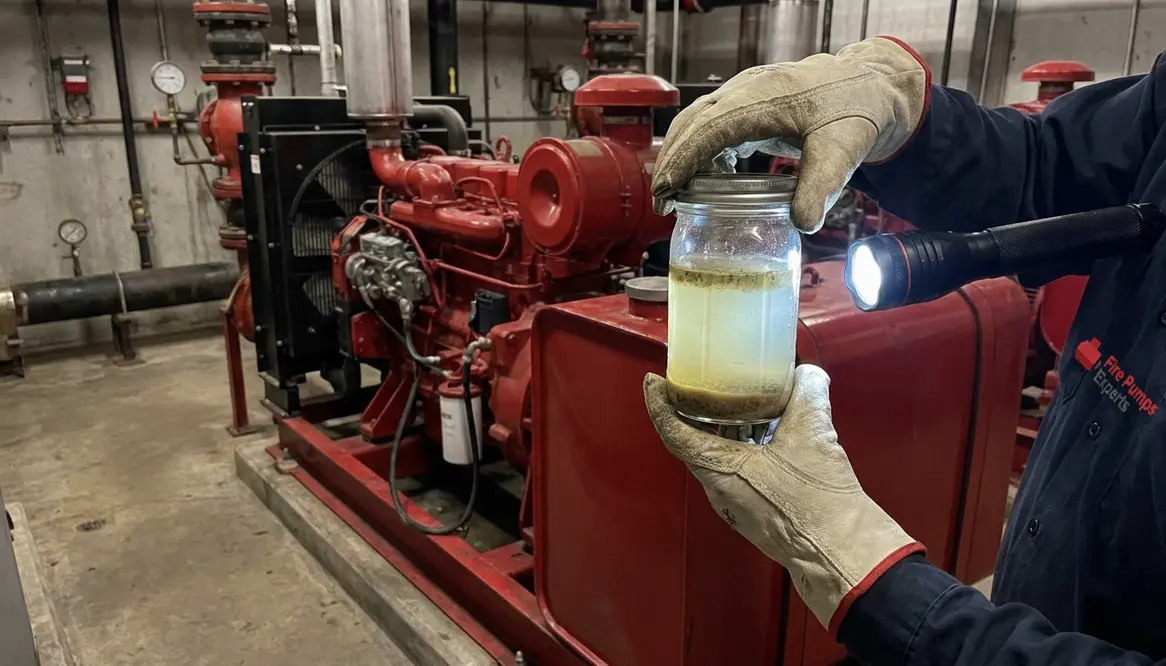
Diesel Fire Pump Fuel Check Before Testing
When I explain how to check diesel fire pump fuel condition, I start with a simple truth: the fuel is the lifeblood of the whole emergency system. If the tank carries water, sludge, old fuel, or dirt, the pump may still look ready, but it can fail when the pressure rises and the stakes get real. And that is not the kind of surprise anyone wants during a fire test. I have seen how a small fuel issue can turn into a big headache, so I inspect fuel before testing to make sure the pump starts fast, runs clean, and does its job when a commercial or industrial facility depends on it.
In major properties, warehouses, high rise buildings, plants, and other commercial sites, this step is not just routine. It is a quiet guardrail. It saves time, protects equipment, and helps keep the test honest. Because let’s face it, a diesel fire pump should not act like a diva when the alarm sounds.
Why I Inspect Fuel Before Any Diesel Fire Pump Test
I inspect the fuel first because diesel fire pumps rely on clean, stable fuel to start and run under pressure. If the fuel has gone bad, the pump may struggle to crank, stall, or run rough. Then the test gives me the wrong story. Instead of checking the pump, I end up chasing a fuel problem. That wastes time and can hide a bigger risk.
Also, fuel can change over time. Water can enter the tank through condensation. Dirt can slip in during filling. Old fuel can lose quality. Even a tank that looks fine on the outside can hold trouble inside. So, before I test, I want to know the fuel can support a full run without drama. Think of it like checking the battery before a superhero movie marathon. If the power is weak, the whole plot falls apart.
How I Check Diesel Fire Pump Fuel Condition
I follow a simple order so I can spot problems fast and keep the pump test reliable. First, I look at the fuel tank and area around it for leaks, rust, or signs of water. Next, I check the fuel level and confirm it is high enough for the test. Then I inspect the fuel itself, either through a sample point or by draining a small amount from the tank bottom. I look for cloudiness, layer separation, sediment, or a sour smell.
I also check the filters and strainers, because a dirty filter can make clean fuel act dirty. If the fuel sample shows water or sludge, I do not ignore it. I treat it as a warning that the pump may not perform well during a real emergency. In some cases, I may also review fuel age and service history, since old fuel can break down even when it looks okay.
What Bad Fuel Can Do During a Fire Pump Test
Bad fuel can create several problems, and none of them are helpful. First, it can make the engine hard to start. Second, it can cause rough running or sudden shutdown. Third, it can clog injectors and filters, which adds stress to the engine. And finally, it can make the test fail for the wrong reason.
That matters because a diesel fire pump test should tell me how the system performs under real conditions. If the fuel hides a problem, I may miss weak starting, slow response, or poor run quality. In a facility where life safety matters, that is too much risk for too little payoff. So yes, fuel gets my attention before the test gets underway. If you are searching for how to check diesel fire pump fuel condition, this is the part where the “it seems fine” feeling needs to be replaced with proof.
What I Look For in a Healthy Diesel Fuel Supply
Good fuel signs
- Clean sample with no visible water or sludge
- Stable fuel level with no leaks
- Fresh smell and normal color
- Filters in good condition
Warning signs
- Cloudy or layered fuel
- Rust in the tank or fittings
- Water at the bottom of the sample
- Clogged filters or slow flow
This quick comparison helps me decide whether the pump is ready for testing or needs service first. It also keeps the process clear for facility teams who want straight answers, not a mystery novel with a fuel cap.
How I Use Fuel Checks to Support Fire Protection Reliability
Fuel inspection is part of the bigger fire protection picture. I do not treat it as a side note. Instead, I use it to support the full system, from the engine to the controls and the pump itself. When the fuel stays clean, the test becomes more useful. When the test becomes more useful, I get a better read on system health. That chain matters in commercial and industrial buildings where fire protection must work without delay.
For facilities that want a wider view of pump care, I also point them to trusted resources like Los Angeles diesel fire pump service and commercial fire pump support. In the same way, teams that manage broader building systems may also benefit from industrial electrical services and fire sprinkler service guidance. These resources help connect the dots between testing, maintenance, and long term reliability. And if you are practicing how to check diesel fire pump fuel condition in-house, the goal stays the same: confirm the fuel is capable before the test tries to prove it the hard way.
FAQ: Diesel Fire Pump Fuel Checks
Quick Answers
Why do technicians inspect fuel before testing?
I inspect it to make sure the pump will start and run properly during the test.
What fuel problems show up most often?
Water, sludge, dirt, and old fuel show up most often.
Can bad fuel cause a failed fire pump test?
Yes, bad fuel can cause hard starts, shutdowns, or poor engine performance.
How often should fuel be checked?
I check fuel before testing and during regular maintenance visits.
Should a facility use old diesel fuel?
No, old fuel can break down and hurt pump performance. If you are working on how to check diesel fire pump fuel condition and you have any doubt about age or storage, that doubt deserves an actual check, not a hope.
Conclusion
Before I test a diesel fire pump, I always inspect the fuel because clean fuel supports clean results. That simple step helps me catch water, sludge, old fuel, and filter issues before they become real trouble. If you manage a commercial or industrial facility, do not leave this to chance. Review your fuel, verify your pump, and keep your fire protection ready for the moment it matters most. If you are building a repeatable process for how to check diesel fire pump fuel condition, keep the order consistent, document what you see, and treat warning signs like they are telling you something important. If you need help, make the next move now and schedule a professional inspection.