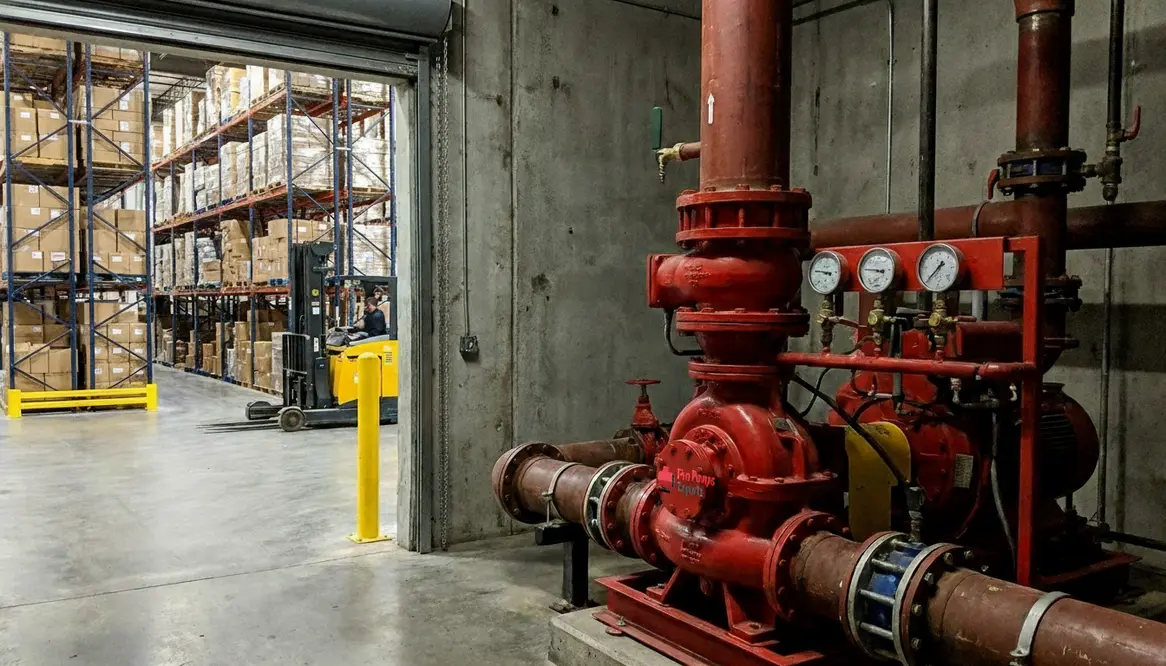
EN 12845 Fire Pump Requirements for Logistics
When I look at a logistics facility, I see more than racks, forklifts, and boxes stacked like a very serious game of Tetris. I see risk, speed, and a building that cannot afford to guess when fire starts. That is why EN 12845 requirements matter so much. They guide how I choose and size fire pumps, water supply, and system reliability for warehouses, distribution centers, and other major commercial sites. If a logistics building must protect people, stock, and operations, then EN 12845 fire pump requirements help shape the whole defense plan.
In this article, I will walk through the key pump rules, what they mean in real life, and how I think about them for busy logistics sites. No fluff, no fairy dust, just the practical stuff that keeps a facility ready when the alarm sounds.
What EN 12845 means for a logistics site
EN 12845 sets the base rules for fixed sprinkler systems in commercial and industrial buildings. For logistics facilities, that matters because fire can spread fast through storage zones, packing areas, loading bays, and high racking. So, I focus on the pump as the heart of the system. If that heart weakens, the whole body gets nervous. And nobody wants a nervous sprinkler system.
In practice, I check the fire load, building size, storage height, commodity type, and water demand. Then I match the pump to the sprinkler design so the system can hold pressure and flow for the full required duration. That includes the main pump and, in many cases, a standby pump or backup supply approach. Because yes, redundancy sounds boring until the day it saves the building.
The standard also expects the water source to support the system under real fire conditions, not just on paper. So I always look at tank size, refill rate, suction layout, and pressure stability. If one part drops, the pump performance can follow like a bad sequel.
EN 12845 requirements: fire pump basics I check first
When I review a logistics project, I start with the pump room, the pump type, and the water source. These are the basics, but they carry a lot of weight.
Here is the simple version, laid out so even a rushed site walk can keep it straight.
What I check
- Pump duty and standby arrangement
- Water supply volume and refill support
- Suction conditions and pipe size
- Pump house access and ventilation
Why it matters
- Keeps sprinkler pressure steady
- Supports long fire run time
- Prevents cavitation and weak flow
- Helps crews inspect and maintain it easily
I also confirm the pump can meet the required flow and pressure at the worst point in the system. That point is often the top of the rack or the far side of the warehouse. Fire does not care about convenience, so I do not design for convenience either.
Electric pumps often suit sites with stable power and strong backup systems. Diesel pumps make sense where resilience matters most or where power loss is a real concern. Sometimes I see both. That is not overkill. That is just a smart building refusing to gamble.
How I size the pump for storage and rack height
Logistics facilities are not one size fits all. A low roof warehouse with pallet storage does not need the same setup as a high bay building with tall racking and complex stock. So, I size the pump around the sprinkler demand, not around hope.
I look at the design density, the number of operating sprinklers, and the pressure needed at the most remote area. Then I add the friction loss from pipework, valves, and fittings. If the building uses tall storage, the required pressure can rise fast. In other words, height is not just a view. It is a water bill wearing steel boots.
For major logistics sites, I also think about future expansion. A facility may start with one storage layout and grow into another. Therefore, I prefer a pump arrangement that gives some room for change, as long as it stays inside the code and the approved design basis.
Why water supply and redundancy matter on EN 12845 requirements
A pump is only as good as the water behind it. So, I never treat the water supply as an afterthought. The tank or reliable source must deliver the full system demand for the required duration. If the sprinkler system needs sustained flow, the supply must keep its cool and do the same.
Redundancy matters because logistics facilities often hold high value stock and have tight operating schedules. A fire shutdown can cause more than smoke damage. It can freeze supply chains, delay shipments, and turn a simple incident into a long business headache. Nobody wants a warehouse acting like the world’s least fun episode of Mission Impossible.
I also pay close attention to alarms, pump start signals, and test arrangements. The system should tell you early when pressure drops, when a pump fails, or when supply trouble appears. That way, the site team can act before a small issue turns into a very expensive story.
Compliance, testing, and maintenance I never skip
Once the system is installed, the real work begins. I always stress that EN 12845 requirements do not end at commissioning. They live on through testing, inspection, and maintenance.
For logistics buildings, I expect regular checks on pump start function, suction pressure, valves, fuel levels where diesel applies, and battery health for controls. I also look for clear access to the pump room, because if people cannot reach the equipment, the design has already lost half its charm.
Documentation matters too. I want test records, service logs, and any changes to the building or storage layout noted quickly. If the storage pattern changes, the fire risk may change too. That means the pump design may need review. The building may be busy, but the fire strategy should never drift with the mood of the month.
For more detailed commercial guidance, I recommend reviewing the EN 12845 fire pump requirements for commercial facilities as a practical reference point for major properties.
FAQ
My final take on EN 12845 fire pump requirements
If I had to sum it up, I would say this: a logistics facility needs a fire pump that fits the risk, supports the sprinklers, and keeps working when the pressure is on. That is the whole game. So, if you manage a warehouse, distribution center, or other major property, now is the time to review your fire pump setup. I can help you check compliance, improve resilience, and build a system that does its job with quiet confidence.