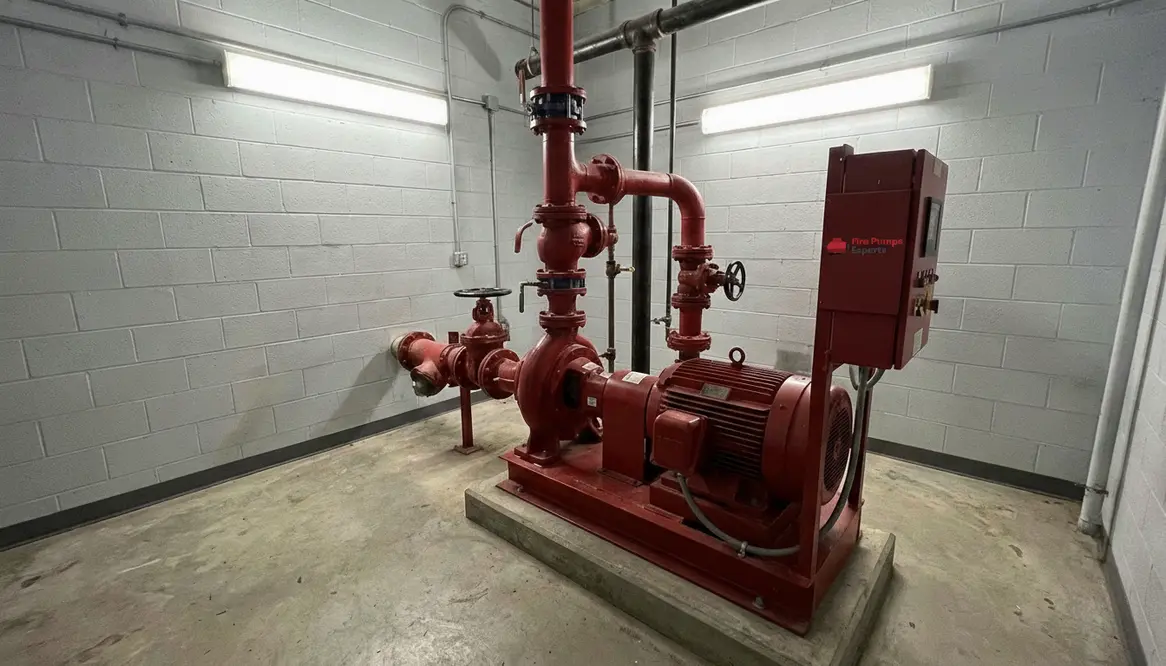
End Suction Fire Pumps for Commercial and Industrial
Quick Take
An end suction fire pump is a practical, dependable workhorse for fire protection in commercial and industrial spaces.
Where It Helps
It supports sprinkler systems, standpipes, and fire lines when the water supply alone cannot deliver enough pressure.
What Matters
Selection, pump curve matching, and routine testing keep an end suction fire pump ready when it counts.
When I talk about fire protection for commercial and industrial facilities, I like to start with the end suction fire pump. It is one of those machines that sits quietly in the background, yet it can become the hero when water pressure drops and the stakes rise fast. In large buildings, warehouses, plants, and major properties, a dependable pump keeps sprinkler systems ready to do their job. And yes, it is not glamorous. But neither is a fire drill, and we still take those seriously.
In this article, I will break down how these pumps work, why they matter, and what to look for if you manage a serious property that cannot afford guesswork. I will keep it clear, practical, and a little human, because fire protection should not sound like a robot wrote it after three cups of office coffee.
What an end suction fire pump does
An end suction fire pump moves water from the supply line into the fire protection system with more force. It uses a single impeller and a simple inlet and outlet design, which helps it deliver reliable flow without a lot of fuss. I like that. It is straightforward, and in fire protection, straightforward is a compliment.
For commercial and industrial properties, this pump supports sprinkler systems, standpipes, and other fire lines when the water source alone cannot provide enough pressure. As a result, the system can respond the way it should during an emergency. That matters in places where downtime, loss, or risk can hit hard and fast, like a warehouse full of inventory or a tall property with many occupied floors.
A simple look at where it shines
Typical benefits
- Compact size for tighter pump rooms
- Reliable flow for fire protection systems
- Simpler installation and service access
- Good fit for many commercial buildings and industrial sites
Common use cases
- Warehouses and distribution centers
- Manufacturing plants
- Office towers and mixed use properties
- Large retail and storage facilities
Why it fits commercial and industrial facilities
I often recommend this pump style because it works well in many large property setups. First, it has a compact footprint, which helps when pump rooms already feel crowded. Second, it offers solid performance for many code driven fire protection systems. Third, it is easier to install and service than some larger pump styles, which can save time and reduce headaches. And honestly, when equipment is easier to maintain, everyone sleeps better.
How it works inside the system
The pump pulls water in through the suction side, then the impeller spins it outward to create pressure. That pressure moves water into the fire protection piping. Simple enough, but the real value comes from how the pump supports the whole system under demand. When sprinklers open, the pump helps keep flow steady instead of letting pressure fade like a weak finale in a bad movie.
To keep that process dependable, the pump must match the property’s flow and pressure needs. If it is too small, the system may not perform well. If it is too large, it can create waste, excess wear, or control issues. So, I always view pump selection as a balance of building demand, water source, and code requirements. That balance is where professional design earns its keep.
What I look for during selection and maintenance
When I review a fire pump setup, I focus on a few core points. First, I check the water supply and expected demand. Then I look at the pump curve, the available space, and the system layout. After that, I consider service access because a pump that no one can reach is a problem waiting to happen. The future does not need more surprises.
I also pay close attention to routine testing. A fire pump should not just sit there and hope for the best. It needs regular inspection, start tests, flow checks, and general condition reviews. Over time, seals, bearings, couplings, and controls can wear down. When that happens, early detection saves money and reduces risk. That is true for most things in life, but especially for fire protection.
How I compare it with other pump options
Compared with split case or vertical pumps, this style is often chosen for its lower cost and easier setup. However, I would not call any pump the winner in every situation. Each property has its own demands. For some high rise or high volume applications, another design may fit better. For many commercial and industrial facilities, though, the end suction style offers a smart middle ground between performance, space, and service needs.
Because of that, I encourage property teams to look beyond the equipment name and focus on the real question: does the pump fit the site, the hazard, and the code? That question saves time, money, and a fair amount of stress. When that answer is yes, an end suction fire pump can quietly become the reliable backbone that keeps systems stable when the unexpected happens.
FAQ
Conclusion
If you manage a commercial or industrial property, I suggest treating fire pump choice like the serious business it is. The right system can protect assets, support code compliance, and bring real peace of mind. If you want a smarter path forward, review your current setup, compare it with your property demands, and take the next step before an emergency makes the decision for you. I would rather you plan now than improvise later. That is the quiet kind of wisdom that keeps buildings standing strong, and it is one more reason an end suction fire pump earns its place in the background until it is needed.
When the water pressure dips and the alarm situation starts moving fast, a well-matched end suction fire pump helps keep the protection system steady, controlled, and ready to respond.