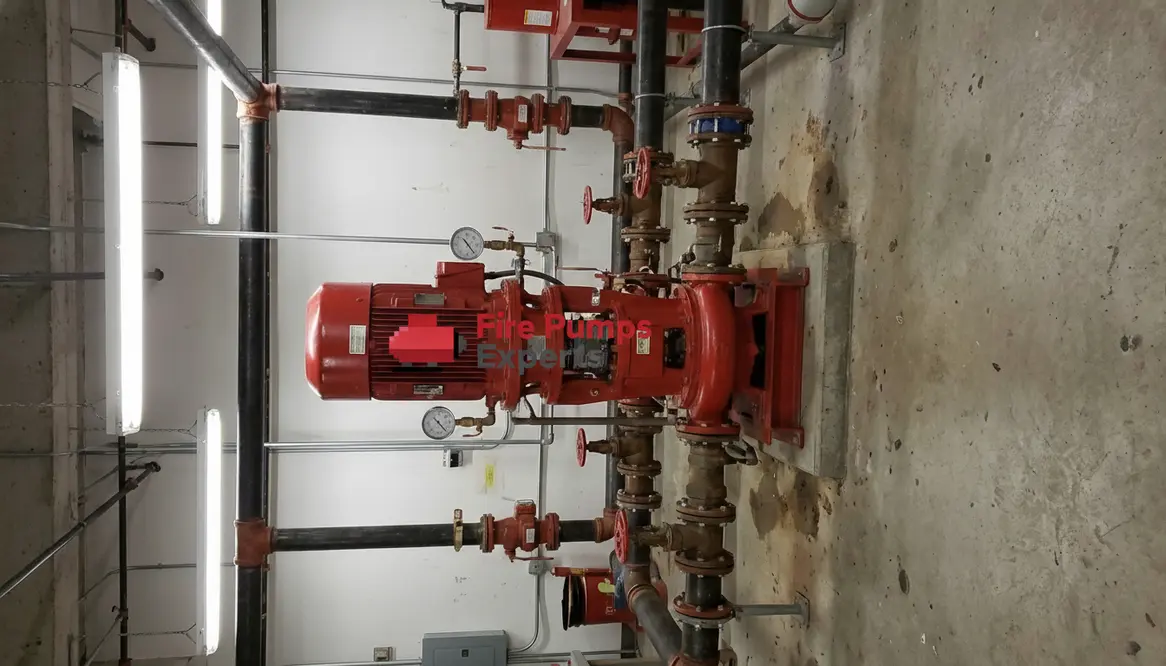
Vertical Inline Fire Pump for Large Commercial Buildings
When I look at fire protection for large sites, I like to start with one simple truth: a vertical inline fire pump does a very specific job, and it does it with quiet confidence. It boosts water pressure in systems that protect commercial and industrial buildings, from warehouses to high rise properties. In plain English, it helps water get where it needs to go when seconds matter. That matters because a sleepy sprinkler system is about as useful as a superhero who forgot the cape.
In this guide, I will walk through how these pumps work, where they fit, and why they often make sense for major properties that need dependable fire flow without wasting space. I will keep it clear, practical, and just a little bit fun. Fire safety can be serious, but the explanation does not need to wear a necktie.
What a Vertical Inline Fire Pump Does
A vertical inline fire pump raises water pressure inside a fire protection system. It sits in line with the piping, which means water flows straight through it instead of turning through a bulky layout. As a result, the pump can support sprinklers, standpipes, and other fire protection equipment in tall or complex buildings.
I find this setup useful because it helps solve a common problem: the water supply may exist, but the pressure may not be strong enough at the highest points or farthest zones. So, the pump steps in and gives the system the push it needs. That push can make a real difference in a large distribution center, office tower, or industrial plant where distance and elevation create pressure loss.
In addition, the design saves floor space. That matters in buildings where every square foot has a job already. No one wants a fire pump room that behaves like it owns the place.
How a Vertical Inline Fire Pump Works
Here is the basic flow. Water enters the pump from the suction side, passes through the impeller, and exits at a higher pressure. The motor drives the impeller, and the impeller adds energy to the water. That is the heart of the process.
Also, the vertical layout keeps the pump compact and aligned with the piping. Because the inlet and outlet sit on the same center line, the system often installs more neatly than a split case style unit in tight mechanical rooms. I see this as a smart fit for facilities that need strong performance without a giant footprint stealing the show like a diva at a reunion special.
Here is a simple two column style view of how the parts work together:
Part
Function
Impeller
Motor
Casing
Controller
Pressure sensing parts
Adds pressure to the water
Powers the impeller
Guides water flow through the pump
Starts and monitors pump operation
Help keep the system ready
Because the pump must respond fast, the controller and pressure sensors matter just as much as the hardware you can see. When the pressure drops, the system reacts. That quick response is what gives fire protection systems their edge. For a vertical inline fire pump, that responsiveness is the difference between “it should work” and “it does work.”
Where a Vertical Inline Fire Pump Fits Best
I usually see this pump style in commercial and industrial facilities with moderate to high pressure needs and limited room. It fits well in:
- High rise office buildings
- Warehouses and logistics centers
- Manufacturing plants
- Hospitals and large care facilities
- Mixed use towers with fire protection demand across many levels
It also works well where a building already has a clean vertical piping path. Since the pump aligns with the piping, the installation can feel more direct and organized. That said, I would not choose it just because it looks tidy. I would choose it because the building layout, flow demand, and available space support it.
For comparison, larger facilities sometimes use other pump types when the water demand gets heavier or the system needs a different arrangement. So, the right answer always comes from the site conditions, not from a sales pitch written in caffeine. And yes, the vertical inline fire pump keeps earning its spot when those site conditions favor efficient, in-line pressure boosting.
Why Commercial and Industrial Facilities Choose This Pump
Commercial and industrial buildings often need a balance of reliability, space control, and easy access for service. A vertical inline fire pump can support that balance. First, it uses less floor space than some other designs. Second, it can simplify piping paths. Third, it supports strong system pressure when the building height or layout creates resistance.
Another big reason is system performance. Fire protection does not care how nice the lobby looks. It cares whether water reaches the right place at the right pressure. That is why facility managers, engineers, and owners often look for equipment that fits the building without adding clutter or complexity. The vertical inline fire pump is built for that kind of “quiet confidence” workflow.
For more background on system selection and fire pump solutions, I also recommend reviewing this los angeles fire pump guide. It gives helpful context for property teams that need dependable fire protection planning.
What I Check Before Choosing One
Before I recommend this pump style, I look at a few key points. First, I check the required flow and pressure. Then, I look at the building height, pipe layout, and available equipment space. I also review the water supply and the overall fire protection design. Those details shape the final decision.
In addition, I think about service access. A pump may look perfect on paper, but if a maintenance team cannot reach it without a headache, the job gets harder later. I prefer solutions that support both daily use and long term care. After all, a system that works only when nobody touches it is not much of a system. For a vertical inline fire pump, “serviceable” is not optional.
If the building serves a large commercial or industrial operation, I also weigh future growth. A good design should handle today’s needs and leave room for tomorrow’s changes. That foresight can save time, money, and more than a few sighs down the road. When the plan supports it, a vertical inline fire pump can be a long-term pressure partner, not a short-term bandaid.
FAQ
Quick Answers About the Vertical Inline Fire Pump
Why This Pump Deserves a Close Look
I see the vertical inline fire pump as a practical choice when a building needs dependable pressure support without a bulky layout. It works best when the design calls for efficiency, strong flow, and a clean install path. If you manage a commercial or industrial property, this pump may fit your fire protection plan very well. So, take the next step, review your building needs, and talk with a qualified fire pump team today. When it’s the right match, the vertical inline fire pump stops being a line item and becomes the system’s “get it done” engine.