Fire Protection for Hydrogen Fuel Infrastructure
I have spent enough time around high risk facilities to know this simple truth. When hydrogen is involved, you do not get second chances. That is exactly where Fire protection for emerging fuel infrastructure steps in, not as a luxury, but as a backbone. In hydrogen production facilities, fire pump systems are not just equipment humming in the background. They are the quiet guardians, ready to act faster than you can say “that does not look good.” And trust me, when hydrogen decides to misbehave, it does not send a calendar invite first.
Why hydrogen facilities demand a different level of fire pump performance
Hydrogen burns clean, but it behaves like it skipped all the safety lectures. It disperses quickly, ignites easily, and burns with a flame you might not even see in daylight. Because of this, I always design fire pump systems with speed and reliability as non negotiable priorities.
Unlike traditional industrial risks, hydrogen facilities require higher flow rates and faster system response. Therefore, I focus on pumps that can maintain consistent pressure even under sudden demand spikes. A delay of even a few seconds can mean the difference between containment and catastrophe.
Additionally, redundancy is not optional. I always recommend multiple pump configurations so if one unit fails, another is ready to step in without hesitation. Think of it like having a backup singer who can suddenly carry the whole show if the lead loses their voice. Nobody notices until it matters.
What type of fire pump system works best for hydrogen production plants?
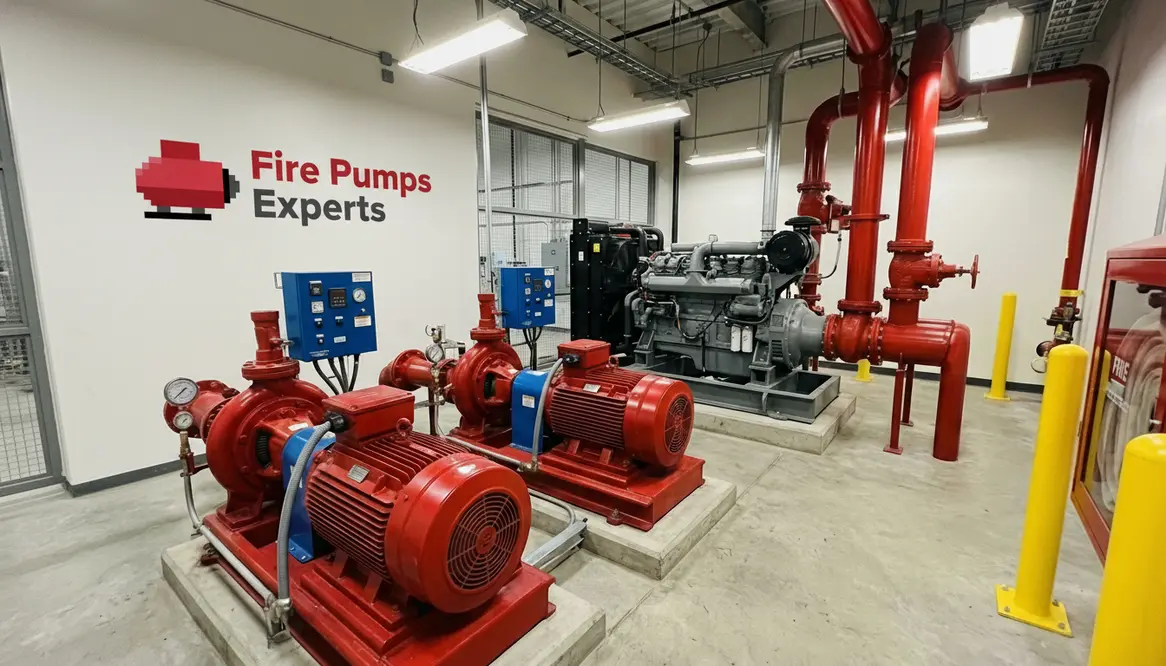
In my experience, electric driven and diesel driven fire pumps both play critical roles. Electric pumps provide efficiency and quick startup, while diesel pumps act as a reliable backup when power systems fail. And yes, power failures do happen at the worst possible moments. It is almost a law of nature.
I typically design systems that include:
- Electric fire pumps for primary response
- Diesel fire pumps for emergency backup
- Jockey pumps to maintain system pressure and prevent unnecessary cycling
Moreover, I integrate these systems with advanced detection and control panels. As a result, the system reacts automatically, reducing reliance on human intervention during high stress situations.
Design considerations that actually matter in real world scenarios
I have seen designs that look great on paper but fall apart in real life. That is why I focus on practical, field tested considerations.
First, water supply must be reliable and sufficient. Hydrogen fires can escalate quickly, so I ensure storage and refill systems can sustain extended operations.
Next, material selection is critical. Components must resist corrosion and handle high pressure without degradation. After all, a weak valve in a high risk facility is like bringing a plastic spoon to a sword fight.
Then there is system layout. I position pumps and piping to minimize friction loss and maximize efficiency. This is not just engineering theory. It directly impacts how quickly water reaches the hazard zone.
Key Design Priorities
- High flow capacity
- Fast system activation
- Redundant pump setups
- Durable materials
Operational Benefits
- Reduced fire escalation risk
- Consistent system pressure
- Improved system lifespan
- Lower downtime during emergencies
Fire protection for emerging fuel infrastructure in high hazard environments
When I approach Fire protection for emerging fuel infrastructure, I do not treat hydrogen like a variation of traditional fuels. I treat it as its own category entirely. This means integrating fire pumps with specialized suppression systems, including water spray and foam where appropriate.
Furthermore, I coordinate closely with facility engineers to ensure compatibility with production equipment. Hydrogen systems often operate under high pressure, so any fire protection solution must work without disrupting operations.
And let us not forget compliance. Codes and standards evolve quickly in this space. I stay aligned with NFPA requirements and industry best practices, ensuring that every system I design is both effective and compliant. Because nothing ruins a project faster than a failed inspection right before commissioning.
How do I future proof fire pump systems for hydrogen facilities?
I plan for growth. Hydrogen infrastructure is expanding fast, and facilities often scale up production. Therefore, I design fire pump systems with expansion in mind.
This includes oversizing certain components, leaving space for additional pumps, and ensuring control systems can handle increased demand. As a result, facilities avoid costly retrofits down the line.
Additionally, I incorporate smart monitoring systems. These tools provide real time data on pump performance, allowing teams to detect issues early. It is like having a health tracker for your fire protection system, minus the annoying reminders to stand up and stretch.
Fire protection for emerging fuel infrastructure requires precision and partnership
No fire pump system exists in isolation. I work closely with architects, engineers, and facility managers to create integrated solutions. This collaborative approach ensures that fire protection aligns with the overall facility design.
Moreover, I emphasize testing and commissioning. A system that has not been tested under realistic conditions is just a very expensive guess. I make sure every component performs as expected before the facility goes live.
In hydrogen production, precision is everything. There is no room for shortcuts, assumptions, or “it should be fine.” Because in this environment, “fine” is not a strategy.
If you want to see how these concepts translate into real project outcomes, you can explore resources and case studies at https://firepumps.org, where Fire protection for emerging fuel infrastructure is treated as a dedicated discipline.
FAQ
Conclusion
If you are operating a hydrogen production facility, your fire pump system is not the place to cut corners. I design solutions that stand ready when everything else goes sideways. From planning to commissioning, I make sure every detail supports safety and performance. If you want a system that works when it matters most, now is the time to act. Let’s build protection that keeps your operation running and your risks firmly under control.