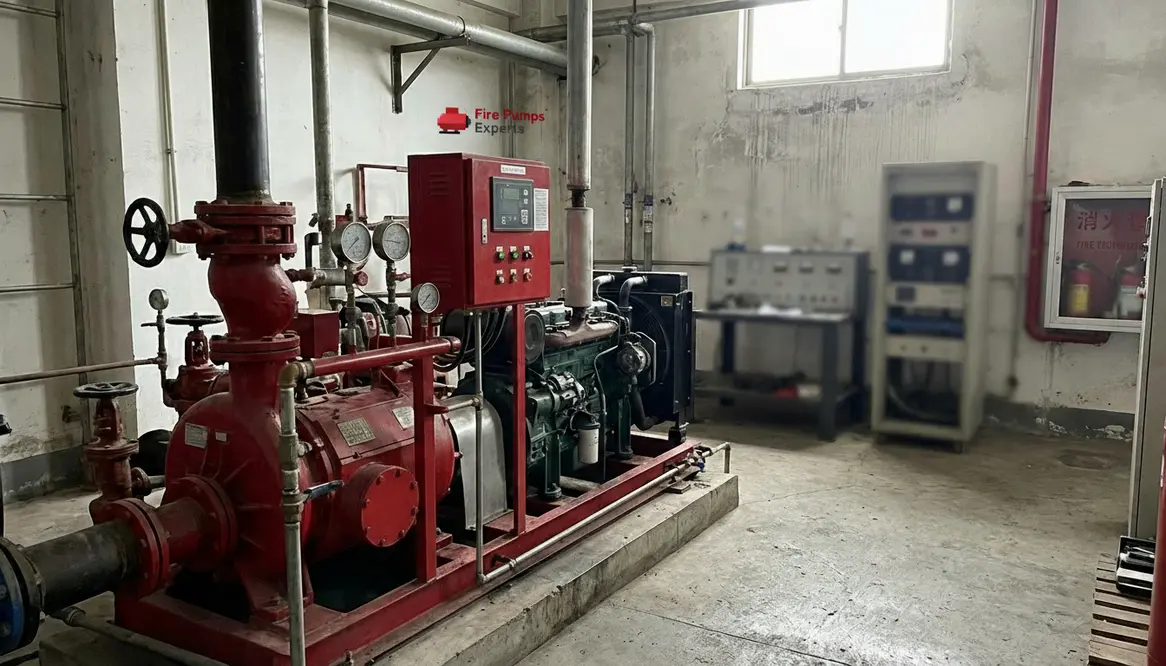
Fire Protection for Specialized Testing Environments
I have spent enough time around test rigs, pressure vessels, and high stakes facilities to know one thing for certain. When things go wrong, they go fast. That is exactly why Fire protection for specialized testing environments is not just another box to check. It is the quiet guardian in the background, waiting for the one moment when everything depends on it. In industrial testing facilities, where heat, fuel, and complex systems collide, fire pumps carry a responsibility that goes far beyond standard building protection. And yes, they do it without asking for applause. If they could talk, they would probably be saying, “I’ve got this.”
What makes fire pump systems different in testing facilities?
In my experience, testing environments are unpredictable by design. One day you are running controlled combustion tests, and the next you are pushing equipment beyond its limits just to see what breaks. Because of that, fire pump systems must handle sudden spikes in demand.
Unlike standard commercial setups, these systems need rapid response and sustained pressure. Additionally, they often support specialized suppression systems such as foam or deluge. Therefore, sizing the pump is not just about square footage. It is about understanding worst case scenarios and planning for them in advance.
Moreover, redundancy becomes critical. I always recommend backup pumps or dual power sources because relying on a single system in a high risk facility is like bringing a squirt gun to a dragon fight. Entertaining, but not effective.
Fire protection for specialized testing environments: system design essentials
When I design or evaluate systems for industrial testing spaces, I focus on three pillars: reliability, adaptability, and control. Each plays a role in ensuring the fire pump performs under stress.
Reliability
- Diesel and electric pump combinations
- Seismic bracing and vibration resistance
- Continuous monitoring systems
Adaptability
- Variable speed drives for fluctuating demand
- Compatibility with foam and chemical systems
- Scalable infrastructure for future upgrades
Control and human response
At the same time, control systems must allow operators to react quickly. I have seen facilities where a few seconds made the difference between a contained incident and a headline. And no one wants their building trending for the wrong reason.
How do I size a fire pump for high risk industrial testing?
I always start with hazard classification, but I do not stop there. Testing facilities often push beyond standard categories, so I factor in peak fuel loads, airflow conditions, and potential ignition sources.
Next, I calculate demand across multiple systems operating at once. For example, sprinklers, hose lines, and foam systems might all activate together. Therefore, the pump must deliver enough flow and pressure without hesitation.
Additionally, I account for pressure loss across long piping runs and elevation changes. Large industrial campuses are not small, and water does not teleport no matter how much we wish it did. As a result, underestimating these losses can cripple performance when it matters most.
Codes, compliance, and why cutting corners backfires
I have yet to meet a facility manager who enjoys navigating fire codes. Still, compliance is non negotiable. Standards like NFPA 20 and NFPA 25 exist for a reason, and they directly impact how fire pump systems perform in real emergencies.
However, industrial testing facilities often require additional considerations. Local authorities may demand enhanced safeguards depending on the type of testing conducted. Therefore, early coordination with regulators saves time and prevents expensive redesigns later.
Cutting corners might seem tempting during construction, but it always shows up eventually. Usually at the worst possible moment. It is like skipping leg day at the gym. You can ignore it for a while, but eventually everything collapses under pressure.
Fire protection for specialized testing environments in real operations
Once installed, the real work begins. Fire pumps are not set it and forget it systems. I emphasize regular testing, inspections, and performance verification to ensure readiness.
Weekly churn tests, monthly inspections, and annual flow tests all play a role. Additionally, integrating smart monitoring systems allows teams to detect issues before they become failures.
Training also matters more than most people expect. Even the best system fails if operators do not understand how to respond. Therefore, I always push for hands on drills that simulate real scenarios. It is better to make mistakes during practice than during an actual emergency.
Common mistakes I see and how to avoid them
Over the years, I have noticed patterns. Some mistakes show up again and again, regardless of facility size.
- Undersized pumps that cannot meet simultaneous demand
- Poor maintenance routines that lead to hidden failures
- Ignoring system compatibility with specialized suppression methods
- Lack of backup power or redundant systems
Fortunately, each of these issues is preventable with proper planning. In other words, a little foresight goes a long way. Think of it as the difference between a well rehearsed orchestra and a garage band that just discovered their instruments five minutes ago.
FAQ: Fire pump requirements for industrial testing facilities
Final thoughts and next steps
When I look at industrial testing facilities, I see controlled chaos with purpose. That is exactly why the right fire pump system matters. If you are planning, upgrading, or evaluating your setup, now is the time to act. Connect with experts who understand complex commercial environments and can design systems that hold steady under pressure. Because when the moment comes, your fire protection system should not hesitate. It should perform like it has done it a thousand times before.