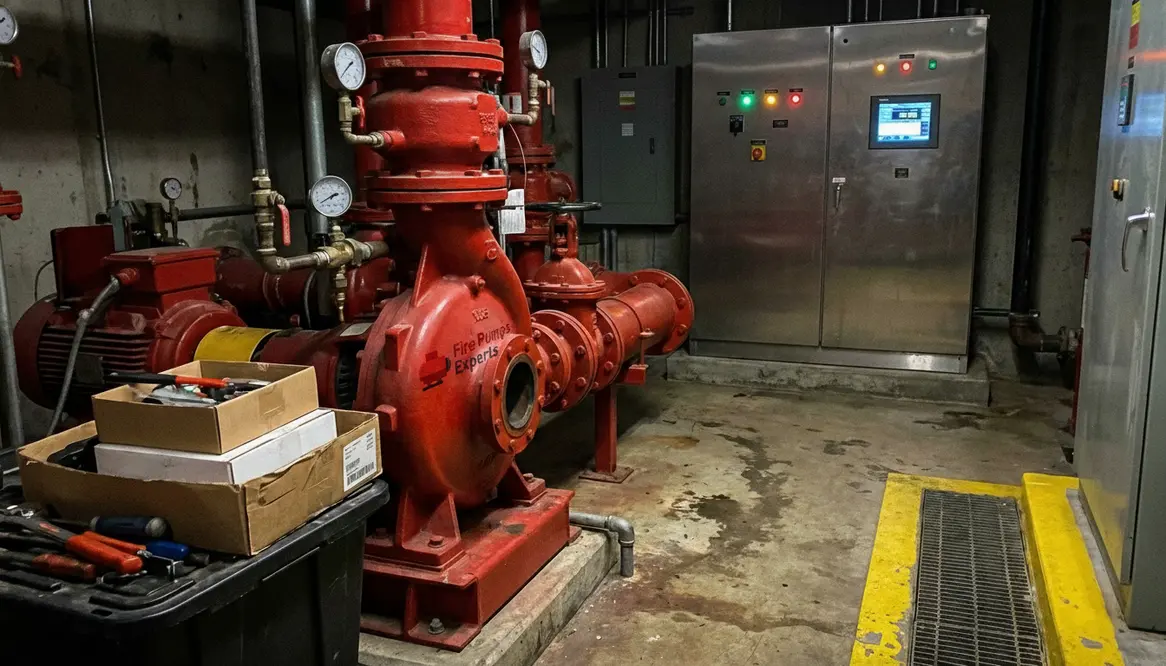
Fire Pumps for Critical Operational Continuity
I have spent enough time around utility operations centers to know one thing for certain. When everything else fails, the systems that keep water moving become the quiet heroes. That is why I always come back to Fire pumps for critical operational continuity. They sit in the background, steady and patient, like a seasoned night watchman who never sleeps. And when the moment comes, they do not hesitate. They deliver. No drama, no speeches, just pressure where it matters most.
What role do fire pump systems play in utility operations centers?
At the heart of any utility operations center lies a promise. Keep essential services running, no matter what. Power grids, water treatment, communications hubs. These are not places where downtime is a minor inconvenience. It is a full blown crisis.
So I look at fire pump systems as more than compliance equipment. They are part of the operational backbone. When a fire event threatens infrastructure, these systems step in immediately, maintaining water flow and pressure even if the municipal supply falters. That reliability keeps critical assets online and prevents cascading failures.
And yes, while it may not sound glamorous, a well tuned fire pump can save millions in damage. It is not quite a superhero cape moment, but it is close enough for me.
Designing fire pumps for critical operational continuity
Design is where the story really begins. I have seen systems that look impressive on paper but struggle under real world pressure. That is why design for Fire pumps for critical operational continuity must focus on performance, redundancy, and adaptability.
Performance as a non-negotiable
First, I prioritize capacity. The system must deliver enough flow to meet worst case scenarios, not just average conditions. That starts with realistic, sometimes brutal, assumptions about simultaneous demands, fire duration, and potential supply interruptions.
I also look closely at how the system behaves under partial loads, sudden demand spikes, and power fluctuations. Smooth transitions matter. Nobody wants a heroic system that chokes the moment conditions get messy.
Redundancy and adaptability
Then comes redundancy. Backup pumps, alternate power sources, and fail safe controls ensure the system does not blink when one component goes down. In facilities that live and breathe uptime, single points of failure are not quirks; they are liabilities.
After that, integration becomes key. Fire pumps should communicate with building management systems and emergency controls. When alarms trigger, the response must be seamless. No awkward delays, no confusion. Think of it like a well rehearsed orchestra, except instead of violins, you have high pressure water saving the day.
How do I ensure compliance and performance at scale?
Compliance is not just about checking boxes. It is about proving that the system will perform when it matters. I always align with NFPA standards and local codes, but I do not stop there.
Testing plays a huge role. Regular flow testing, pressure verification, and system inspections reveal issues before they become disasters. Additionally, I make sure documentation is clear and accessible. When inspectors arrive, everything should speak for itself.
However, large scale utility centers introduce complexity. Multiple zones, varying risk levels, and interconnected systems require careful coordination. So I approach compliance as an ongoing process, not a one time event.
What I focus on
- Accurate load calculations
- Reliable power supply options
- Routine system testing schedules
- Clear operational protocols
What I avoid
- Undersized pump systems
- Single points of failure
- Irregular maintenance cycles
- Outdated control panels
Smart technology and modern fire pump systems
Now here is where things get interesting. Technology has given fire pump systems a bit of a glow up. We are no longer relying on purely mechanical setups. Today, smart monitoring tools allow me to track performance in real time.
Sensors can detect pressure drops, unusual vibrations, or temperature changes before they escalate. Remote monitoring lets teams respond quickly, even if they are miles away. It is like having a digital guardian watching over the system 24 hours a day.
And while I would not go as far as calling it science fiction, it does feel like we are one step away from a system that politely reminds you to run maintenance. Maybe with a calm voice. Preferably not one that sounds like a robot from a 90s movie.
Where Fire pumps for critical operational continuity gain the most
The more complex the facility, the more value smart monitoring delivers. In large campuses, district energy systems, and regional utility hubs, the ability to see pump status, trend performance, and receive instant alerts turns Fire pumps for critical operational continuity from static equipment into an active risk management partner.
Maintenance strategies that actually work
I have learned that even the best system will fail without proper care. Maintenance is where consistency beats complexity. Simple, routine actions keep everything running smoothly.
I stick to scheduled inspections, lubrication, and component checks. I also make sure teams are trained to recognize early warning signs. A small pressure fluctuation today can become a major failure tomorrow.
Additionally, I recommend periodic system audits. These reviews help identify outdated components or inefficiencies. In a utility operations center, staying current is not optional. It is necessary.
And let us be honest. Skipping maintenance is like ignoring the check engine light. It does not fix itself, and it rarely ends well.
Turning routines into protection
When Fire pumps for critical operational continuity are backed by disciplined maintenance, they stop being “equipment in the corner” and start becoming the reason a minor incident never turns into a headline. Logs, test reports, and clear responsibilities may not be exciting, but they are what keep the water where it needs to be, when it needs to be there.
Why fire pump systems are a long term investment
When I evaluate fire pump systems, I do not see a cost. I see protection. I see continuity. I see a safeguard that ensures operations continue even under pressure.
Investing in high quality systems reduces risk, lowers long term expenses, and protects critical infrastructure. It also builds confidence among stakeholders. Everyone sleeps a little better knowing the system is ready.
And in industries where downtime can ripple across entire regions, that peace of mind is priceless.
Connecting resilience and reputation
For many organizations, Fire pumps for critical operational continuity are quietly linked to brand trust. When a facility weathers a fire event with minimal disruption, the message is clear: this operation takes reliability seriously. That kind of reputation is earned long before any incident, in design meetings, testing plans, and upgrade cycles.
If you want to explore deeper design guides and reference materials, resources at https://www.firepumps.org can support planning, benchmarking, and long term strategy.
FAQ
Keep your operations ready for anything
When I think about resilience, I think about preparation that never quits. The right fire pump system does not just protect assets. It protects continuity, reputation, and the people who depend on your facility every day. If you are managing a utility operations center, now is the time to evaluate your setup and strengthen it. Because when the unexpected arrives, readiness is not optional. It is everything. Let us make sure your system stands ready.
In the end, Fire pumps for critical operational continuity are not there for the everyday routine. They are there for the handful of moments that define whether an operation shrugs off an emergency or gets brought to its knees by it. Getting those moments right is the whole point.