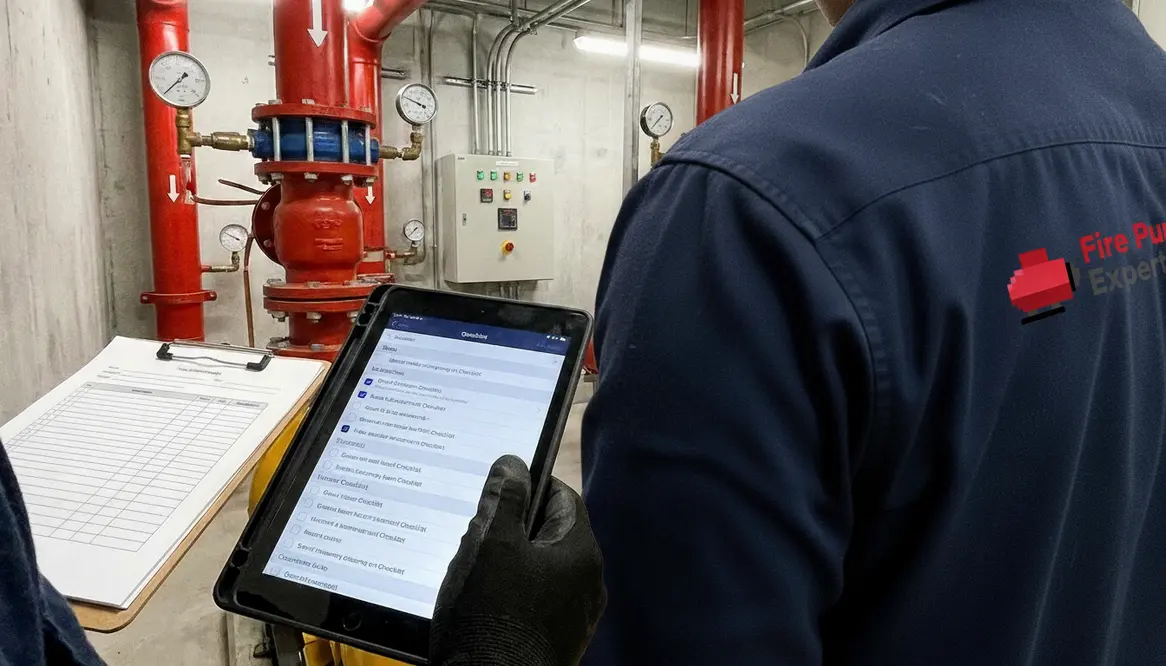
Fire Protection System Upgrade Checklist Guide
Fire Protection System Upgrade Checklist: A Calm, Clear Path for Commercial and Industrial Buildings
When I look at a fire protection system upgrade checklist, I do not see a pile of parts and permits. I see a plan that protects people, keeps operations moving, and helps a property stay ready when trouble shows up uninvited. For commercial and industrial buildings, that matters a lot. I use this checklist to spot weak points, compare old equipment with current code needs, and make smart fixes before a small issue turns into a very expensive headline. Fire safety may not be glamorous, but neither is explaining to a board why the sprinkler system decided to retire early.
Why I Start with a Full System Review
I always begin by checking the whole system, not just the flashy parts. First, I review the age of pumps, alarms, risers, valves, detectors, and control panels. Then I look for damage, rust, leaks, blocked heads, and signs that parts no longer fit current use. A warehouse, plant, or large office tower can change fast. If the building use has changed, the fire system may no longer match the risk. That is where a fire protection system upgrade checklist earns its keep.
I also confirm the last test dates and inspection records. If the paperwork looks thin, I treat that as a warning sign. After all, a system without records is a bit like a superhero without a costume. It may still work, but I would not bet the building on it.
Fire Protection System Upgrade Checklist for Critical Equipment
Next, I move to the core gear. This is where I check performance, coverage, and code fit. I want to know what still works well, what needs repair, and what must go. In commercial and industrial properties, this step can save time, money, and a lot of stress later.
What I inspect first
I check these items in order:
- Fire pumps for flow, pressure, and starting response
- Sprinkler heads for damage, spacing, and obstruction
- Valves for clear labels and easy access
- Fire alarms for sound, signal strength, and panel alerts
- Smoke and heat detectors for placement and function
- Standpipe systems for pressure and hose connection condition
Then I test each part against the real needs of the building. For example, a high bay storage space may need stronger water delivery than the old setup can provide. A busy industrial site may also need faster alarm response and better backup power. So, I do not treat every building like a carbon copy. That would be lazy, and fire does not respect lazy.
A strong fire protection upgrade plan starts with a clear view of these critical pieces. For many facilities, this is the moment when the fire protection upgrade checklist moves from a simple list to a roadmap for real change.
How I Match the Upgrade to Building Risk
Once I know what the system can do, I compare it with the actual risk in the building. This is where the checklist becomes a real planning tool. I look at how people move through the space, what products or materials sit inside it, and how much heat, dust, or moisture the site creates. Then I rank the biggest fire risks.
Simple risk-to-upgrade view
Building Risk
High storage racks
Heavy equipment use
Large open floor space
Old electrical rooms
Upgrade Focus
Better sprinkler reach and pressure
Stronger alarm response and shutdown controls
Updated detection and coverage review
Panel checks and wiring replacement
After that, I look at code rules, insurance needs, and site goals. If the building has grown, the fire system must grow too. If the system still fits the building like yesterday’s suit, I know it is time to tailor it.
This is also where a structured fire protection upgrade checklist keeps everyone honest. It forces a direct comparison between risk and protection, so gaps are not hidden behind old habits or wishful thinking.
What I Check for Code, Testing, and Backup Power
Compliance and testing fundamentals
I never skip compliance. A fire protection upgrade is not complete until I confirm that the system meets current local and national rules. I also review test records for alarms, pumps, and water flow. Then I check backup power, because a fire panel that quits during an outage helps no one. That is not a plot twist anyone wants.
- Current codes and standards for the building type and hazard level
- Test frequency and documented results for alarms, pumps, and water supply
- Condition and capacity of batteries, generators, and transfer switches
- Coordination between alarms, suppression, and emergency shutdowns
In many projects, I also work with a trusted partner that focuses on commercial and industrial fire pump services and system support. For deeper guidance, I may reference commercial fire pump upgrade solutions for major facilities when I need a clear path for larger properties. This helps me stay focused on the kind of buildings that need serious fire protection, not small side jobs that belong in another lane.
At this stage, the fire protection upgrade checklist doubles as proof. It shows inspectors, insurers, and company leaders that the system has been reviewed carefully, tested properly, and upgraded with clear intent.
How I Plan the Work Without Shutting Down the Site
Staging upgrades around real operations
Finally, I build the upgrade plan around the building schedule. That matters because many commercial and industrial properties cannot pause operations just to replace equipment. I map the work in stages, set clear safety steps, and coordinate with facility leaders, contractors, and inspectors. Then I set test dates and train staff on any new controls or alarms.
- Identify high-risk areas that need early attention
- Schedule noisy or disruptive work outside peak hours
- Keep temporary protection in place when systems are offline
- Plan final testing when key staff can observe and learn
The best upgrades feel smooth, not chaotic. So, I keep the plan simple, the timeline real, and the communication steady. A good fire protection system upgrade checklist does not just improve safety. It helps the property stay open, ready, and far less likely to become a cautionary tale on someone’s Monday morning call.
By this point in the process, the fire protection upgrade checklist has followed the system from initial review through risk matching, code alignment, and staged work planning. It is more than paperwork; it is the thread that connects every decision.
Using a Fire Protection Upgrade Checklist as an Ongoing Tool
Keeping the system ready year after year
I do not treat the checklist as a one-time project document. Once upgrades are complete, I keep a version of the fire protection upgrade checklist as a recurring review tool. It becomes a quick way to confirm that tests are on track, paperwork is current, and any new building changes are captured early.
- Annual system review using the same core questions
- Trigger reviews whenever occupancy or process changes
- Track completed upgrades and remaining future work
- Use it as a training guide for new facility staff
Over time, that habit keeps small issues from turning into big expenses. It also gives everyone a shared language for talking about sprinkler performance, alarm response, and pump reliability without needing to memorize code books.
In that sense, a well-built fire protection upgrade checklist becomes part planning tool, part maintenance log, and part communication bridge between safety teams, leadership, and inspectors.
FAQ
Conclusion
If I want a building to stay safe, compliant, and ready for real world risk, I do not guess. I use a fire protection system upgrade checklist, check the equipment, confirm the code needs, and plan the work with care. For commercial and industrial properties, that approach protects people and keeps business moving. If your site has aged parts, growing risk, or weak coverage, now is the time to act. Review the system, set the upgrade plan, and move forward before the next alarm asks the hard questions.