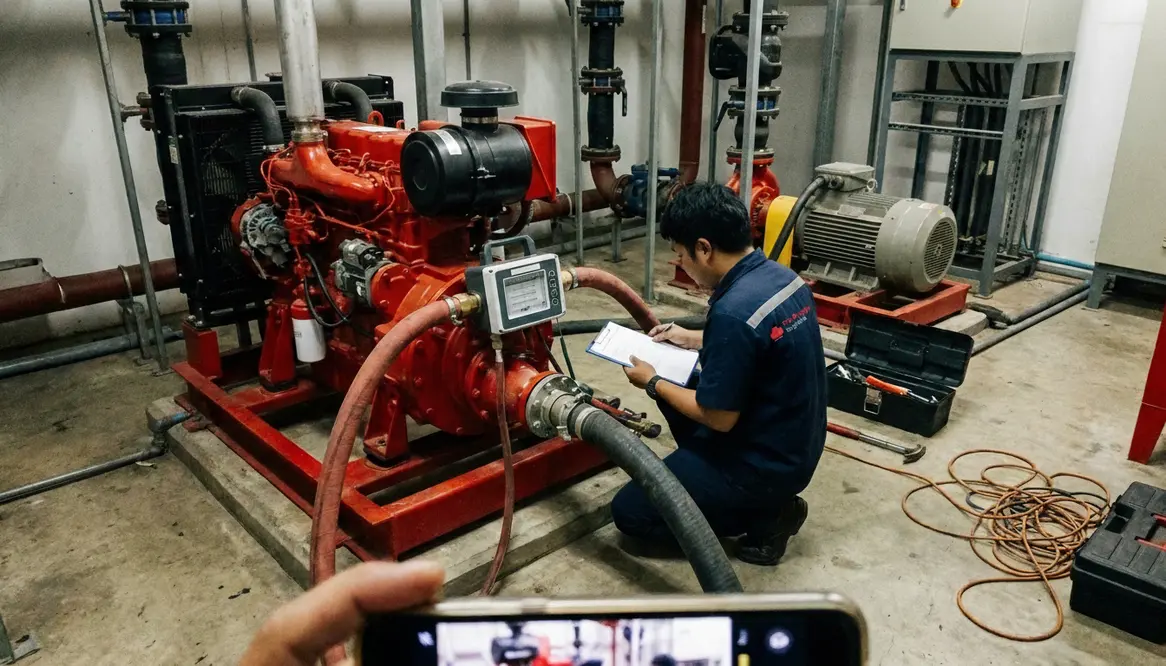
Fire Pump Testing Cost Factors and Pricing Guide
A practical look at what really shapes fire pump testing cost, how the invoice grows teeth, and how to keep it from biting your maintenance budget.
Fire Pump Testing Cost Factors Explained
When I talk about fire pump testing cost, I am not talking about a simple line item. I am talking about a safety check that protects commercial and industrial buildings, along with major properties that cannot afford guesswork. In plain terms, the price depends on the pump type, site access, testing method, labor time, and whether the system shows any signs of trouble. And yes, the bill can move around a bit, much like a surprise plot twist in a season finale nobody asked for. Still, when I break it down step by step, the numbers make a lot more sense.
So, let me walk through what drives the price, where the hidden costs live, and how building teams can plan ahead without turning the process into a budget horror story.
Quick Snapshot
- Testing cost is shaped by pump type, size, and power source.
- Access issues and scheduling challenges often add labor time.
- Flow test method and documentation level affect the final invoice.
- Unexpected repairs and retesting can turn into hidden expenses.
What Drives the Price of Fire Pump Testing?
I start with the pump itself. A small electric fire pump in an easy to reach room usually costs less to test than a large diesel unit with extra controls, fuel checks, and more moving parts. Naturally, the more complex the system, the more time I need to inspect it properly. That time matters because testing is not just a quick button press and a thumbs up. I need to check pressure, flow, suction, discharge, controller response, and overall performance.
Then I look at the site. If the pump room sits in a clean, open area with simple access, the job runs smoother. However, if I have to work around tight mechanical spaces, locked access, active tenants, or special scheduling needs, the price often rises. For large commercial and industrial facilities, access planning can save real money. After all, every extra hour on site adds labor, and labor is usually the biggest piece of the puzzle.
Why Time on Site Matters Most
Labor is where fire pump testing cost really shows itself. Every access delay, every walk across a huge facility, every coordination call with security or operations quietly adds minutes. Multiply those minutes by your local hourly rate and the difference between a straightforward test and a complicated one becomes very real.
Cost Factors Inside the Test Process
Here is where the details start to matter. Some owners only see the test date, but I see the work behind it. The exact fire pump testing cost often depends on several things:
- Pump type and size determine how much equipment and time I need.
- Fuel powered systems need more checks than electric units because I must review the engine, fuel supply, battery, and cooling parts.
- Flow testing method affects the setup, especially when I use meters, hoses, or discharge arrangements.
- Building conditions can slow the work if I face poor access, long pipe runs, or limited space.
- Local service rates also shape the final number, because labor costs vary by region.
And let me add one more point. If the pump passes on the first go, the cost stays closer to plan. If it fails or shows weak performance, then the repair bill can join the party. That is never fun, but it is better than finding out during an emergency that your backup hero was asleep on the job.
How Documentation Level Affects Price
Some sites want a basic pass/fail report. Others, especially high risk or heavily insured properties, expect detailed curves, photos, trends, and corrective action plans. The deeper the documentation, the longer the technician spends building a clear record, and that shows up directly in the final fire pump testing cost.
How I Estimate Fire Pump Testing Cost for a Commercial Site
I usually estimate the work in three stages. First, I review the system details. I want to know the pump type, age, location, test history, and any past repairs. Next, I look at the building schedule. A test inside a busy warehouse or a live high rise often takes more planning than a test in a closed maintenance window. Finally, I check what service level the site needs. Some facilities need a basic annual test, while others need more detailed checks because of risk, insurance pressure, or past issues.
In other words, I do not treat every site the same. A hospital, data center, manufacturing plant, or major office tower each brings its own rhythm. And if you have ever tried to coordinate a fire pump test around shifts, deliveries, and safety rules, you know this process can feel a little like directing a marching band in a thunderstorm.
Stage 1: System Review
- Pump type, horsepower, and age
- Past test results and known issues
- Controller type and any special features
- Location and environmental conditions
Stage 2: Operational Reality
- Shift patterns, deliveries, and peak activity times
- Noise limits and discharge restrictions
- Security protocols and escort requirements
- Windows where water flow and alarms are acceptable
Stage 3: Service Level
- Baseline annual test vs. enhanced testing
- Insurance or authority requirements
- Need for additional analysis or trending
- Expectations around reports and meetings
Cost Comparison by Common Site Needs
To make the pricing picture easier to read, I like to compare the most common cost drivers side by side.
Site Need
Standard annual inspection with light testing
Full flow test on a larger commercial system
Diesel unit with extra engine checks
Complex site with limited access and special scheduling
What Usually Changes the Price
Shorter labor time and simple setup
More equipment, more labor, and more documentation
Extra steps for fuel, battery, and engine performance
Longer on site work and added coordination
This is the pattern I see most often. The more moving parts in the building and system, the more the final number can shift. Still, the right service plan can keep those shifts from becoming unpleasant surprises.
Where Hidden Expenses Usually Show Up
Hidden costs often appear after the test begins, not before. For example, a corroded valve, a worn controller, or low suction pressure can reveal a deeper issue. Also, if the pump room needs cleanup or repair before safe testing can continue, that adds time. Sometimes a team also needs overtime labor to avoid interrupting operations. And, if the site needs follow up testing after a repair, that adds another service visit.
Common Surprise Add-Ons
- Cleaning and clearing pump rooms before testing can safely start
- Repairing or freeing stuck or corroded valves
- Fixing failed controllers, batteries, or fuel issues
- Scheduling a second visit for retesting after repairs
- Paying overtime to work around critical operations or tenants
Because of that, I always tell building managers to ask for a clear scope before the work starts. A good provider should explain what the test includes, what might trigger extra charges, and what happens if the system needs corrective work. That conversation saves stress later. It also helps with budgeting, which is a nice bonus since no one wakes up hoping to discuss surprises in a maintenance invoice.
Planning Ahead to Control Fire Pump Testing Cost
If you want your next fire pump testing cost to land closer to the budget line you actually planned, start with a realistic picture of your system and site. Heavy use, harsh environments, and older equipment tend to raise the odds of extra work. Clean rooms, simple access, and clear shutdown windows tend to keep things closer to the base estimate.
- Confirm access routes, keys, and escorts before test day.
- Clear storage and clutter away from the pump and valves.
- Share recent issues or alarms so they can be checked efficiently.
- Agree on how far the technician should go before calling for approval on extras.
Frequently Asked Questions About Fire Pump Testing Cost
Conclusion
If I had to sum it up, I would say this: smart budgeting starts with a clear test scope, a good site review, and an honest look at system condition. The best way to control fire pump testing cost is to plan early and work with a provider that understands commercial and industrial facilities, plus major properties. If your site needs a better cost estimate or a full service review, now is the right time to request a quote and lock in a safer plan.