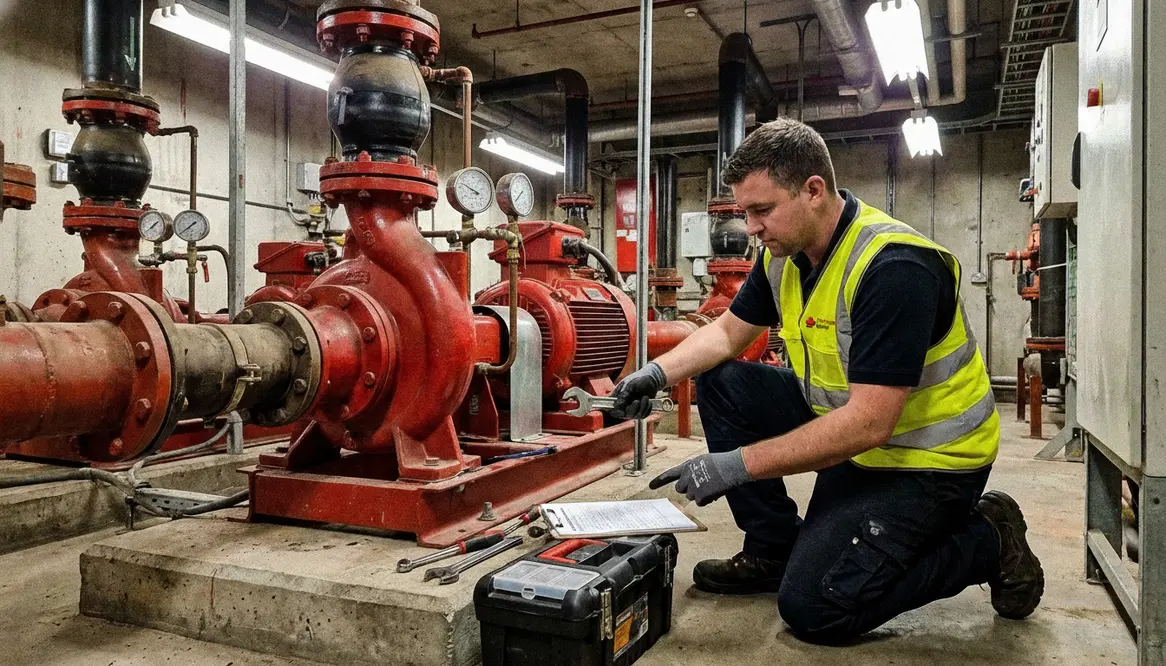
Fire Pump Maintenance Cost Factors and Savings Tips
Fire pump maintenance cost never behaves like a fixed line item. It moves with the pump type, system age, building size, and how hard the equipment works every day. In a commercial or industrial site, that cost can stay modest or climb fast, depending on what the inspection finds. And yes, like a coffee machine in a busy office, a fire pump tends to act up right when people need it most. So, if you manage a major property, understanding the price drivers helps me plan better, avoid surprises, and keep the system ready without wasting money.
Fire Pump Maintenance Cost Factors Explained
Across large facilities, the way a pump is selected, installed, and used shapes the long term bill. A well sized pump with proper testing routines tends to stay predictable. A neglected one usually returns the favor with surprise repairs, rushed parts orders, and overtime labor. That is why looking at fire pump maintenance cost as a strategy, not just a number, makes such a difference.
What Drives the Maintenance Bill?
I always start with the basics. The size of the pump, the system layout, and the building risk level all shape the bill. A larger pump often needs more labor, more test time, and more parts. In addition, older systems usually need more attention because seals, bearings, controllers, and valves wear down over time. If I find corrosion, leaks, or weak pressure, the job grows fast. That is how a routine visit can turn into a repair call with a bigger invoice than anyone wanted.
Fire pump maintenance cost also changes based on how often the pump runs. A unit in a high demand industrial plant may need more service than a pump in a lower use commercial tower. Meanwhile, water quality matters too. Hard water, debris, and rust can make internal parts fail earlier. So, I treat the pump like a working athlete. If it has been running laps every day, I expect it to need a little care, not a miracle.
Core Cost Drivers
- Pump size and horsepower
- System layout and complexity
- Building risk profile and occupancy
- Frequency of pump operation
- Water quality and debris load
Common Symptoms That Add Cost
- Corrosion on casings, piping, or fittings
- Leaking seals, joints, or packing
- Weak discharge pressure during testing
- Unusual vibration or noisy bearings
- Controller alarms and nuisance trips
How Inspections and Testing Affect Cost
I pay close attention to inspection frequency because it shapes the full maintenance budget. Routine checks usually cost less than emergency work. However, the details matter. A monthly visual check may be simple, while annual flow testing takes more time, more staff, and more equipment. Also, some facilities need more testing because their risk profile is higher, which means the cost grows with the level of responsibility. That is the quiet truth behind fire protection. The more serious the system, the more serious the upkeep.
Here is the part many owners miss: if a small issue slips through one inspection, it can become a bigger expense later. A loose fitting today may become a leak next month. A noisy bearing may become a failed motor on the hottest day of the year, because apparently machines enjoy drama too. As a result, regular testing often saves money over time, even if the short term bill feels annoying.
Typical Testing Layers
- Weekly or monthly runs: Quick starts and visual checks that catch obvious issues before they grow.
- Quarterly checks: More detailed inspection of controllers, gauges, valves, and pump operation.
- Annual flow testing: Performance checks under load to confirm the pump can meet design demand.
- Five-year or major reviews: Deeper inspections, internal checks, and targeted teardown when required.
Service Scope and Part Replacement
Not every service visit covers the same work. Some jobs only involve checks, cleaning, and testing. Others include part replacement, calibration, or full teardown work. Therefore, I always look at scope before I look at price. Labor alone can vary widely, especially when the technician must troubleshoot on site. If the team needs to replace a pressure switch, valve, controller part, or packing material, the total rises.
For quick comparison, I like to split the main cost areas into two columns. It keeps the story clear and keeps the budget conversation from turning into a scene from a courtroom drama.
Labor and Time
- Inspection time
- Troubleshooting time
- Emergency callouts
- After hours work
Parts and Equipment
- Seals and bearings
- Valves and fittings
- Controller parts
- Testing tools and supplies
Breaking it out this way makes it easier to see which levers you can control. Better scheduling and planning help with labor. Better storage conditions, water quality, and inspection habits help with parts. Together, they shape the real fire pump maintenance cost over time.
Why System Age and Compliance Matter
Older fire pumps usually cost more to maintain because they need closer care and harder to find parts. In many cases, I also see higher costs when a system must meet strict code and insurance rules. That is especially true for commercial and industrial buildings where the fire pump supports critical life safety needs. If a facility falls behind on compliance, the fix often costs more than steady upkeep would have.
For that reason, I recommend working with a provider that understands major property systems and can match service to the site’s risk level. If you want a helpful reference for commercial and industrial fire pump support, I suggest reviewing expert fire pump maintenance guidance for major facilities at https://firepumps.org. That kind of resource helps owners and managers make smarter choices before minor issues become expensive ones.
Age, Risk, and Cost Patterns
- Younger systems: Lower repair frequency but still need consistent testing and recordkeeping.
- Mid-life systems: Rising repair risk as wear shows up in seals, bearings, and controllers.
- Older systems: More part failures, harder to source components, and closer compliance scrutiny.
How I Plan a Smarter Maintenance Budget
I build the budget around three things: system condition, testing needs, and likely repair risk. First, I review the age of the pump and its parts. Next, I check how often the system must be tested. Then, I set aside funds for unexpected repairs, because even the best plans meet reality eventually. A smart budget also includes documentation. Good records help me spot patterns, compare service visits, and predict future costs with more confidence.
If I had to sum it up, I would say this: the best way to control fire pump maintenance cost is not to chase the cheapest service. It is to keep the system healthy, catch issues early, and choose service that fits the building. In a major facility, that approach protects people, protects property, and keeps the budget from doing a dramatic spiral worthy of prime time television.
Practical Savings Tips
- Align inspection schedules with code requirements so you do not pay twice for the same visit.
- Bundle fire pump work with other fire protection checks when possible to reduce travel and labor costs.
- Keep a short list of critical spare parts on site to avoid rush shipping and extended downtime.
- Track each visit in a simple log so you can spot patterns in repairs and tweak the maintenance plan.
- Focus on reliability, not just the lowest bid, when choosing service partners, because cutting corners usually shows up later as a bigger fire pump maintenance cost.
FAQ
Conclusion
When I manage a fire pump, I treat maintenance like insurance with a pulse. It protects the building, supports compliance, and helps control long term cost. If your facility needs a smarter plan, now is the time to review service records, inspect the system, and build a budget that fits your risk. For commercial and industrial properties, that next step can save money, reduce stress, and keep your fire protection ready when it matters most.