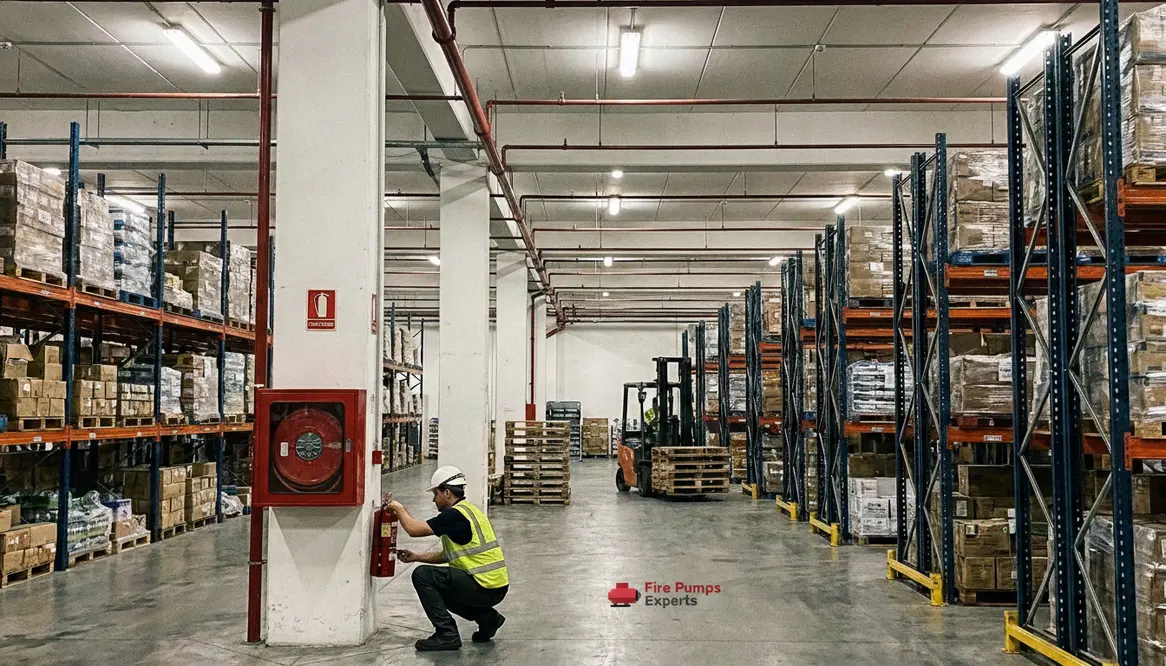
Warehouse Fire Protection Checklist Guide
A practical, no-nonsense look at turning a high-risk warehouse into a safer, smarter, and more controlled operation using a focused warehouse fire protection checklist.
When I look at a warehouse, I do not just see steel racks, pallets, and forklifts doing laps like they are late for a Marvel sequel. I see a building full of risk, value, and moving parts that can turn a small spark into a very bad day. That is why I always start with a warehouse fire protection checklist. It helps me catch weak spots early, keep people safe, and protect stock, equipment, and the building itself. If you run a commercial or industrial site, this is not a nice to have. It is basic survival, with a side of common sense.
Why I treat warehouse fire risk as a daily job
Warehouses change fast. Goods move, layouts shift, and new hazards show up without much warning. So, I never treat fire safety as a once a year chore. I check storage zones, electrical gear, access paths, and fire systems often because a warehouse can go from calm to chaos in minutes. Also, fire loads in commercial and industrial buildings tend to grow over time, which means the risk grows with them. In short, the bigger the pile, the bigger the problem.
I also focus on how people work inside the space. If staff stack pallets too high, block exits, or park equipment where it should not sit, they can make a small incident far worse. Therefore, fire protection must match the real job, not just the plan on paper. Paper feels safe. Flames do not care.
The role of a warehouse fire protection checklist
This is the lens I use every day. A solid warehouse fire protection checklist keeps risk visible when operations feel busy, rushed, or routine. It turns vague concern into practical actions: what to inspect, what to fix, and what to document before a small hazard earns a starring role.
Used properly, it becomes part of the daily rhythm, not a dusty folder that only comes out during audits or after a near miss.
Warehouse fire protection checklist for the core system
Here is the part I would never skip. I check the core fire protection systems because they do the heavy lifting when things go wrong. If one part fails, the whole site can suffer. And yes, fire systems are a lot like a band. If the drummer misses a beat, everyone notices.
- Inspect sprinklers for damage, blockage, and correct spacing.
- Test alarms and make sure everyone can hear them clearly.
- Check fire extinguishers for pressure, tag dates, and access.
- Confirm hydrants, hose reels, and pumps stay ready for use.
- Review emergency lighting and exit signs for clear visibility.
- Make sure fire doors close well and stay free of obstructions.
For Australian warehouses that rely on pump systems, I also suggest reviewing guidance on AS 2118 fire pump requirements for warehouses in Australia. That kind of reference helps me check that the water supply and pump setup can support the building when demand spikes. In a large commercial site, pump readiness is not a detail. It is the backbone.
How I inspect storage, layout, and ignition risks
I always walk the floor and look at how the warehouse actually runs. First, I check that storage stays within safe heights and clearances. Then I look for fuel sources near hot work areas, chargers, switchboards, and loading docks. Because yes, a charging station next to poor airflow can become the villain in the story.
Next, I look at separation. I want clear paths between goods, walls, exits, and fire equipment. That space matters because it slows fire spread and gives people room to move. I also check for dust, waste, broken pallets, and packaging buildup. These may look harmless, but they can feed a fire fast. In busy industrial facilities, clutter often acts like an unpaid extra in a disaster scene. It shows up, causes trouble, and never helps the plot.
Using the checklist on the warehouse floor
When I apply a warehouse fire protection checklist on the floor, I break it into quick passes: storage conditions, ignition sources, and escape routes. That simple split keeps the walk-through fast but thorough, even on days when the loading dock feels like peak hour traffic.
The goal is not to catch people out. The goal is to keep the layout honest, the hazards visible, and the risk low enough that a single mistake does not snowball into a full site shutdown.
What I check for maintenance, testing, and records
Good fire protection is not only about gear. It is also about proof. I keep records because I want to know what got tested, when it was tested, and who signed it off. That record trail matters during audits, insurance checks, and real emergencies. It also helps me spot repeat faults before they become expensive ones.
To stay on top of maintenance, I make sure I:
- Schedule regular inspections for pumps, alarms, and sprinkler heads.
- Replace damaged parts right away instead of waiting for a bigger fault.
- Log every test, repair, and service visit in one clear system.
- Train staff so they know what normal and abnormal look like.
- Review contractor work for quality and compliance.
This is where many sites slip. They buy the right equipment, then let it age like a forgotten gym membership. So, I keep the routine tight and the documents tidy.
How I prepare people for an emergency
Even the best system fails if people freeze. That is why I train staff to respond fast and calmly. I keep evacuation steps simple, I point out assembly areas, and I make sure supervisors know their roles. Also, I run drills often enough that people remember the steps without staring at the ceiling like they are waiting for divine help.
I also teach staff how to report hazards early. A strange smell, a damaged cable, or a blocked hose reel should never sit around for later. Quick reporting cuts risk. Furthermore, I make sure new workers learn the site rules on day one, not after they accidentally block an exit with a pallet jack and create a very awkward email thread.
FAQ
Conclusion
If I want a warehouse to stay safe, I do not wait for smoke to start asking questions. I use a warehouse fire protection checklist, I test the systems, I clean up the weak points, and I train the people who keep the place running. If your site supports commercial or industrial work, take the next step now. Review your current setup, close the gaps, and bring in expert fire protection support before risk turns into loss.