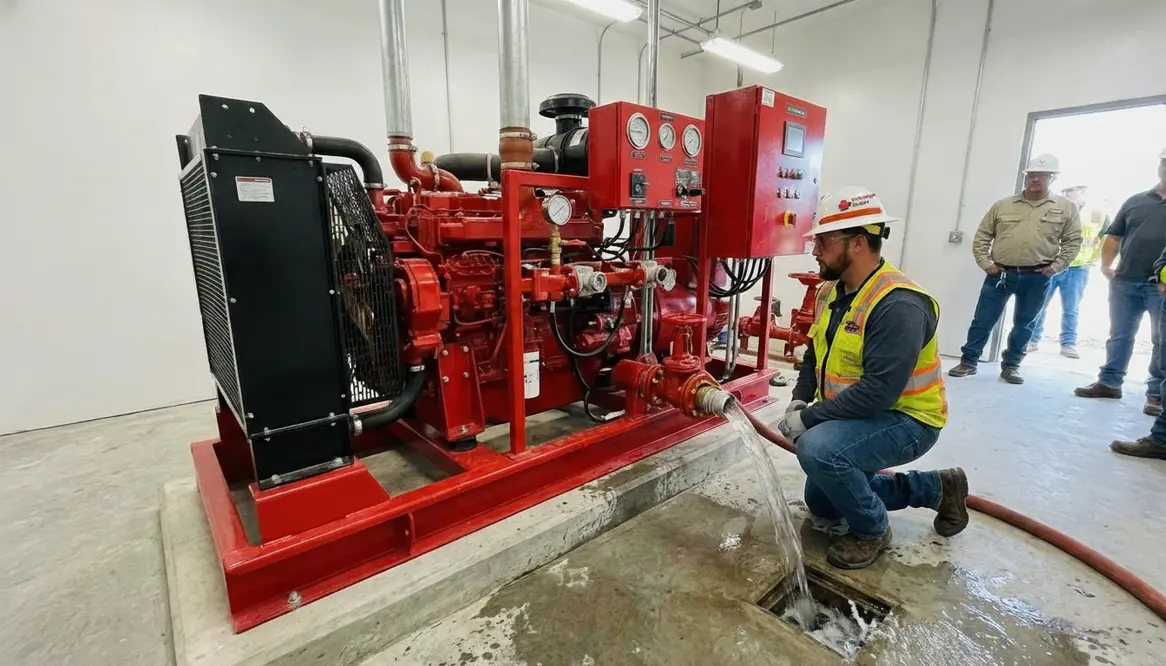
Fire Pump Acceptance Testing, NFPA 20 Commissioning
When I walk into a new commercial site for a fire pump acceptance test, I know the room already has a story to tell. Pipes are in place, valves are set, and the system is waiting for its final debut. This step is part of fire pump commissioning, and it confirms the equipment can protect a real building, not just look good on paper. It also connects to NFPA 20 testing, which sets the standard for how the pump should perform. In plain terms, I am there to make sure the system will do its job when the heat is on. Literally. No pressure.
For commercial and industrial facilities, as well as major properties, this testing matters because failure is not an option. A good test gives confidence, proves compliance, and helps avoid expensive surprises later. And trust me, those surprises are never the fun kind, like a surprise cake. More like a surprise audit.
Why I Start With a Full System Review
Before I touch the pump, I begin with a close review of the entire setup. First, I check that the installation matches the approved plans. Then I look at the pump room layout, suction piping, discharge piping, power source, control panel, and valves. If one part looks off, the whole system can stumble. Fire protection has no patience for sloppy work.
I also verify nameplates, settings, and equipment ratings. After that, I confirm that all parts match the design for the building’s demand. For a large warehouse, high rise, or plant, the system must fit the real risk. In addition, I look for any signs of damage, loose fittings, or missing items. This first pass often catches small issues before they become the kind of issue that ruins everyone’s day and spreads through the schedule like a bad sequel.
What I Check During Pump Startup
Once the system review looks solid, I move into startup checks. First, I make sure the pump is properly primed and ready to run. Then I confirm the driver, whether electric or diesel, is in working order. I inspect power supply, fuel level, battery condition, and controller status. Next, I check the suction source and ensure nothing blocks water flow.
During this stage, I listen closely. A pump often tells you a lot by sound alone. A smooth start is a good sign. However, strange noise, vibration, or unstable pressure can point to air in the line, bad alignment, or a deeper issue. I want the pump to come alive cleanly, not like it just woke up from a long weekend and forgot where it was.
How NFPA 20 Testing Confirms Real Performance
Now comes the part that matters most: the actual performance run. This is where NFPA 20 testing proves whether the fire pump delivers the pressure and flow the building needs. I measure results at specific demand points to see how the pump behaves under load. First, I test churn or no flow conditions. Then I increase demand and watch how pressure changes as water moves through the system.
What I Watch
- Starting pressure
- Flow rate
- Churn pressure
- Power draw or engine output
- Vibration and noise
What I Expect
- Stable operation
- Proper pressure curve
- No leaks at fittings or seals
- Reliable automatic start
- Correct controller response
As a result, I can tell whether the pump meets the required standard for the site. If the numbers miss the mark, I do not shrug and hope for the best. I dig in, find the cause, and correct it. That is the difference between a box checked and real life protection.
How I Handle Documentation and Final Sign Off
Testing is only half the job. Next, I gather the records that prove the system passed. I note readings, conditions, equipment settings, and any corrections made during the process. Then I compare the results with the design criteria and code requirements. This step matters because future inspections, maintenance, and insurance reviews all lean on accurate records.
I also make sure the owner, facility team, and contractors understand the findings. If I see an item that needs follow up, I state it clearly. No mystery novels here. The goal is simple: a system that works, a team that knows it, and paperwork that stands up later when someone asks, “Did we test that properly?”
Where Commissioning Fits in the Bigger Picture
fire pump commissioning ties the whole process together. It is not just about running a pump once and calling it a day. Instead, it includes setup, inspection, testing, correction, and final readiness. In a large commercial or industrial property, that full process helps the fire protection system work as one team rather than a bunch of parts pretending to know each other.
For related support, I often point building teams to los angeles fire pump services for deeper service guidance. I also recommend reviewing commercial fire pump solutions when a facility needs a closer look at system needs. And if your project connects with broader electrical or fire service planning, building electrical support and sprinkler system services can help keep the full protection plan aligned.
FAQ
Conclusion
If you are preparing a new commercial or industrial property for service, I recommend treating this test like a critical launch, because it is. A proper fire pump acceptance test gives you proof, confidence, and code compliance in one pass. So, do not leave it to chance. Schedule the test, verify the results, and make sure your system is ready before the building is asked to defend itself. I am ready to help you get it done right the first time.