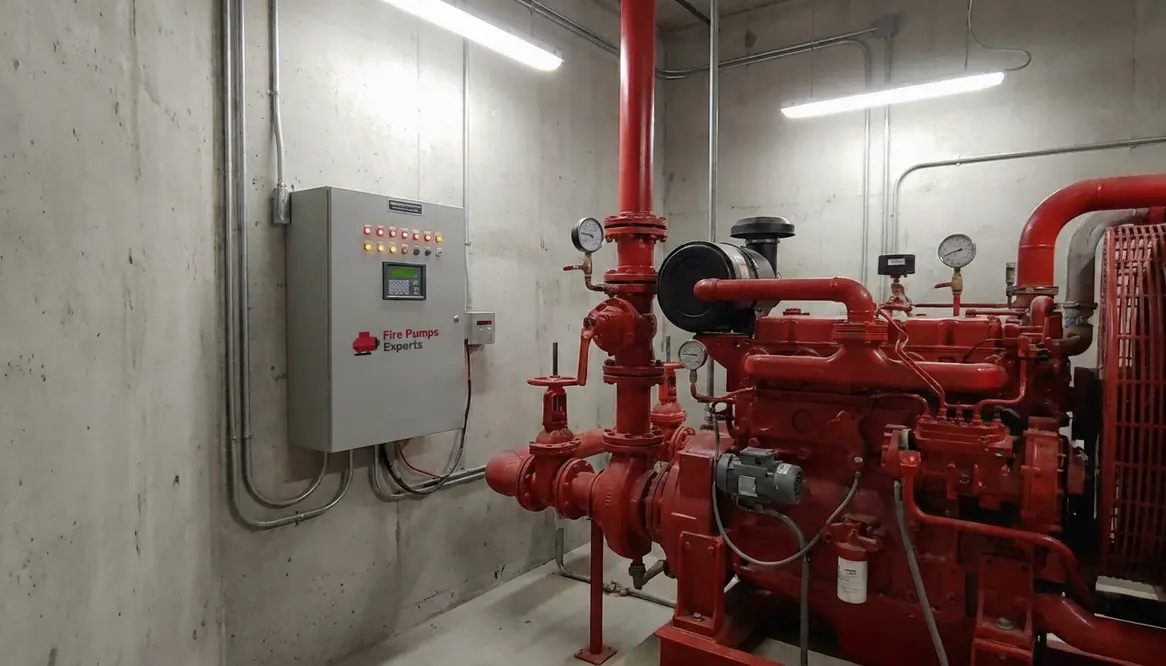
Fire Pump Alarm Systems Guide for Facilities
When a fire pump comes to life in a busy facility, the alarms that follow should be impossible to ignore and effortless to understand. This guide walks through how a fire pump alarm system becomes that reliable voice in the background.
Fire Pump Alarm Systems Explained
I have seen enough commercial buildings, plants, and large properties to know one thing: when a fire pump wakes up, everyone should know it. That is where a fire pump alarm system earns its keep. It watches the pump, signals trouble, and tells the right people when water pressure or pump status changes. In a busy facility, that kind of alert can be the difference between a small scare and a very expensive headline. And yes, the alarms can sound dramatic. But unlike a movie plot twist, this one is there to save the day, not ruin your evening.
For industrial sites and major properties, I treat this system as a quiet guardian. It does not ask for attention until it needs it, which is exactly how good safety equipment should behave. Still, when it speaks, I pay attention.
What a Fire Pump Alarm System Actually Does
I like to think of the fire pump alarm system as the building’s early warning voice. It monitors the fire pump and sends alerts when the pump starts, stops, fails, or loses power. In large commercial and industrial settings, that matters because the fire pump protects sprinkler and standpipe systems when normal pressure is not enough.
Here is the simple version. The alarm system does not fight the fire. Instead, it tells me that the system meant to fight the fire is ready, active, or in trouble. That includes signals for pump running, loss of power, controller trouble, and low pressure. Since these sites often run around the clock, I need that kind of constant watch.
Also, this is not just about noise. A proper alarm setup helps staff respond fast, document issues, and avoid downtime. In a major facility, even a small pump issue can snowball like a bad day in a disaster movie.
Why Commercial Facilities Need Fast Alerts
Why every second matters
In commercial and industrial buildings, time matters. If a fire pump starts because system pressure drops, I want that information immediately. If the pump fails to start, I want that even faster. Therefore, the alarm system must send clear signals to the fire alarm panel, building staff, and often to a remote monitoring station.
Where fast alerts matter most
This matters most in places like warehouses, manufacturing plants, hospitals, high rise buildings, data centers, and large mixed use properties. These sites depend on steady water pressure for fire protection. Without quick alerts, a small equipment issue can become a serious safety gap.
Moreover, alarms help maintenance teams spot problems before an inspection does. That saves time, reduces risk, and keeps the facility in better shape. Nobody enjoys surprise repairs. They always arrive with bad timing, like a sequel nobody asked for.
How the System Works Inside the Building
The fire pump alarm system connects to the pump controller and related devices. When a condition changes, sensors or switches send a signal. Then the system routes that signal to the fire alarm control unit, a monitoring service, or both. As a result, the right people know what is happening almost at once.
Below is a quick look at the main alert points.
Signal type
Pump running, pump failure, power loss, phase reversal, controller trouble, low suction pressure
What I learn from it
The pump is active, disabled, stressed, or in need of service before a bigger issue grows
Because these systems support life safety, I never want vague messages or mixed signals. I want clear labels and reliable communication. In other words, no mystery novel energy here. Just facts.
What I Check During Installation and Service
When I work with a fire pump alarm system, I focus on three things: correct wiring, proper signal testing, and clear integration with the building alarm system. If any of those pieces fail, the whole point weakens.
I also check that the alarm devices match the site needs. A major property may need remote signaling, supervised circuits, or a specific tie in to the fire alarm panel. Since commercial buildings vary a lot, one setup does not fit every site. A distribution center and a hotel do not play by the same rules, even if both have long hallways and a lot of coffee.
Just as important, I verify that the pump controller alarms reach the people who can act on them. That can include facility managers, security staff, and a monitoring center. The goal is not just to make noise. The goal is to create action.
How I Keep the System Reliable Over Time
Testing, inspections, and real-world wear
A fire pump alarm system needs regular testing. I check the signals, review the controller, confirm power sources, and make sure the alarms still report correctly. Over time, vibration, dust, heat, and normal wear can affect performance. Industrial sites, especially, can be rough on equipment.
So, I recommend routine inspections and documented testing. That way, I catch issues before they grow legs and wander into a bigger problem. Also, staff training matters. If people know what each alarm means, they respond with confidence instead of confusion.
For commercial and industrial facilities, this is not a nice extra. It is part of a strong fire protection plan. If the pump protects the water supply, the alarm protects the awareness around it.
Why Your Fire Pump Alarm System Deserves Attention
If you manage a commercial or industrial property, I recommend treating your fire pump alarm system like a trusted teammate, not background noise. It gives you early warning, supports safe response, and helps keep your fire protection ready when it matters most. A well-designed fire pump alarm system can be the quiet backbone behind your sprinklers, standpipes, and emergency planning.
If you want better visibility, stronger compliance, and fewer surprises, now is the time to review your setup and make sure every signal reaches the right people. For deeper technical references and examples of code-aligned configurations, resources such as https://firepumps.org can help you benchmark your current system and plan improvements to your own fire pump alarm system.