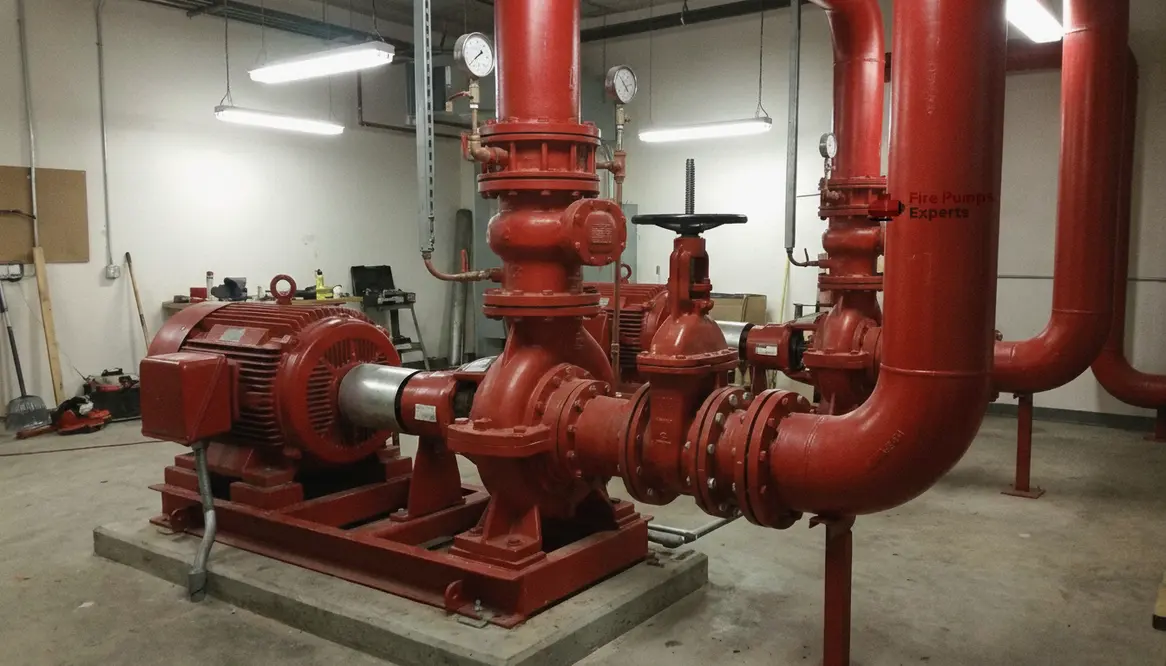
Fire Pump Capacity Flow Rate and Pressure Guide
Fire Pump Capacity Explained: Flow Rate and Pressure
When I talk about fire pump capacity, I mean the heart of a fire protection system. It decides how much water moves, and how hard it moves, when a building needs it most. In a commercial tower, warehouse, plant, or other major property, that balance can make all the difference. Too little flow, and the system starves. Too much pressure, and parts can take a beating like a bad stunt scene in an old action movie. So yes, this topic matters. A lot.
In the next sections, I will break down flow rate, pressure, and how they work together. I will also keep it plain and useful, because no one needs a fire pump lecture that sounds like a tax seminar.
What Fire Pump Capacity Means in Real Terms
Fire pump capacity describes how much water the pump can deliver at a set pressure. In simple terms, flow rate is the amount of water, while pressure is the force that pushes it through the system. Both matter, but they do different jobs.
For commercial and industrial buildings, I look at the system as a team. The pump must supply enough water for sprinklers, standpipes, or hydrants, depending on the building design. If the pump cannot match demand, the system may fail to protect the property when seconds count. And in fire protection, seconds are not dramatic. They are expensive.
So when I review fire pump capacity, I do not just ask, “How strong is it?” I ask, “What does the building need, and can the pump meet that need under pressure?” That is the real question behind the number on the spec sheet.
How Flow Rate and Pressure Work Together
Flow rate and pressure are joined at the hip. A pump can move a lot of water only if it can also keep enough pressure in the lines. If the pressure drops too far, the water may not reach the upper floors, remote areas, or critical equipment.
Here is the clean version:
Flow rate measures volume, usually in gallons per minute. It tells me how much water the pump can supply.
Pressure measures force, usually in pounds per square inch. It tells me how strongly that water travels through the system.
When I size a pump, I think about both together. A high flow rate with weak pressure is like sending a marching band without instruments. A strong pressure with poor flow is just noisy. The system needs both to perform as designed.
At a Glance: What Affects Performance
Flow Rate
Needed water volume
Matches sprinkler or standpipe demand
Supports full system coverage
Pressure
Pushes water through pipes and risers
Overcomes elevation and friction loss
Delivers water where the fire risk sits
Why Building Type Changes the Pump Size
Not every property asks the same thing from a pump. A low rise warehouse, a high rise office tower, and a manufacturing plant each create different demands. For example, a tall building needs more pressure to move water to upper levels. Meanwhile, a large industrial site may need a higher flow rate because the protected area is wide and the hazard is heavier.
That is why I never treat fire pump capacity as a one size fits all issue. I look at the building height, layout, pipe size, sprinkler demand, standpipe demand, and the risk profile of the site. Then I compare all of that to the pump curve. That curve is the map. Without it, we are guessing. And guessing is fine for movie plots, not fire safety.
Reading the Pump Curve Without Guesswork
Each pump has a curve that links flow rate to pressure. On the left side, you have higher pressure and lower flow. On the right, higher flow and lower pressure. The trick is to match your system demand point to a strong spot on that curve, not the shaky tail end where performance falls off.
How I Check Fire Pump Capacity on a Project
When I review a system, I start with the demand. I want to know what the most critical part of the system needs during a fire event. Then I check the pump curve to see where the unit performs best. After that, I factor in friction loss, elevation, and any special design needs.
I also make sure the pump can hold the needed pressure while still delivering the required flow. If the pump hits a weak spot on the curve, it may not perform well in real conditions. That is where careful design wins the day.
For commercial and industrial facilities, this step matters even more because the stakes rise fast. A pump that looks fine on paper can fall short if the demand load is high or the piping network is long. So I test the numbers, then I test them again. Fire protection rewards patience.
A Quick Mental Checklist
- Does the pump’s rated flow and pressure match the worst-case system demand?
- Is there room in the curve for system changes or future expansion?
- Does the water supply stay stable enough to support that demand?
- Is the driver sized correctly so the unit can actually reach that point?
Common Mistakes That Hurt Performance
I see a few mistakes over and over. First, people focus only on pressure and forget flow. Second, they choose a pump without checking the building demand. Third, they ignore future changes, like building expansion or process upgrades. That last one can turn a good system into a sleepy one.
Another common problem is poor maintenance. Even a well sized pump can lose performance if valves stick, parts wear out, or the driver does not run as it should. So the job does not end after installation. It ends when the system stays ready, year after year, without drama.
How Maintenance Ties Back to Fire Pump Capacity
Capacity is not just a number from the catalog. It is what the pump can actually deliver through real pipes, valves, and fittings on a real day. If suction strainers clog, diesel engines struggle, or controllers fail to start when they should, the “rated” fire pump capacity turns into a wish, not a promise.
FAQ
Need Help Getting the Right Pump Size?
If you manage a commercial or industrial facility, I recommend taking a close look at your system before a problem forces the issue. The right fire pump capacity supports safety, protects property, and helps your building stay ready when it counts. If you want a clearer path from specs to real world performance, now is the time to review your design, confirm your demand, and make sure your pump can do the job without breaking a sweat.
Putting Fire Pump Capacity to Work
Walk your system from the water source to the last sprinkler, and picture what happens when everything opens at once. That mental run-through, backed by real calculations and testing, will tell you whether your fire pump capacity is solid or just optimistic. If you are not sure where to start, reviewing your latest flow test reports and comparing them to your design demand is a simple first step that can reveal a lot.
If you want more detail on how engineers think about flow, pressure, and fire pump capacity in complex buildings, resources like https://firepumps.org can help you turn the numbers into something practical and understandable for your own site.