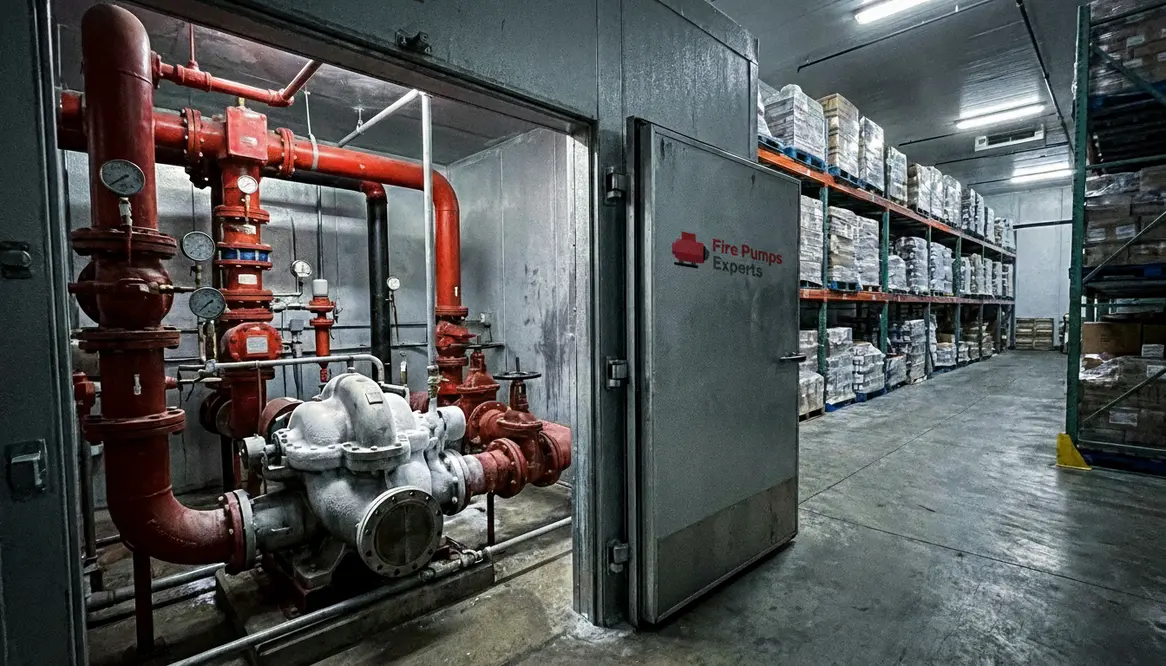
Fire Pump Cold Storage Design Stockton Guide
How to keep fire protection systems dependable when the room feels like a freezer and the stakes are sky high.
I have spent years around industrial fire protection systems, and if there is one place where precision matters most, it is inside a cold storage facility. In Stockton, where logistics and food distribution never sleep, the stakes rise even higher. That is why I approach every fire pump cold storage design Stockton project with a steady hand and a clear plan. Because when temperatures drop, equipment behavior changes, and fire risks do not politely disappear. They adapt. So must we.
And yes, if fire pumps had personalities, the ones in cold storage would be the quiet, tough types. Think of them as the Clint Eastwood of fire protection. They do not talk much, but when it is time to act, they do not miss.
Why cold storage fire pumps are different
Cold rooms, fluctuating loads, non-stop operations, and strict regulations turn a typical pump project into a high-stakes puzzle. The right fire pump cold storage design Stockton strategy keeps that puzzle from becoming a disaster movie.
Understanding Fire Pump Cold Storage Design Stockton Requirements
Cold storage facilities present a unique challenge. While water remains the primary suppression agent, freezing conditions threaten system reliability. Therefore, I always design systems that account for temperature control, pipe insulation, and proper circulation.
In Stockton, facilities often handle large scale food logistics. Because of that, fire pump systems must support high demand sprinkler systems while maintaining consistent pressure. I prioritize:
- Heated pump rooms to prevent freezing
- Reliable backup power sources
- Corrosion resistant materials
- Proper suction and discharge configurations
Hidden risks inside “controlled” environments
In cold storage, fire can spread in concealed spaces. Rack storage, insulated panels, and tight ceilings leave plenty of room for trouble. So while the environment feels controlled, the risk is anything but casual.
How Do I Choose the Right Fire Pump Configuration?
I get this question a lot, and the answer is never one size fits all. However, I always start with flow demand and pressure requirements. From there, I match the configuration to the facility layout.
For most large commercial cold storage sites in Stockton, I lean toward these configurations:
- Horizontal split case pumps for reliability and easy maintenance
- Vertical turbine pumps when water supply comes from underground sources
- Electric driven pumps for consistent operation
- Diesel backup pumps for power outage protection
Redundancy: the insomnia cure for facility managers
Cold storage facilities often run 24 hours a day. So downtime is not just inconvenient, it is expensive. Because of that, I design redundancy into the system. One pump works. Two pumps sleep better at night.
Balancing Performance and Protection in Low Temperature Environments
Designing for cold environments is not just about keeping pipes warm. It is about ensuring performance under stress. So I focus on insulation, heat tracing, and smart system layout.
However, I also look at airflow. Cold air sinks, and that can affect how equipment behaves over time. Therefore, I position pump components in controlled environments whenever possible.
There is also the issue of condensation. It sounds harmless, but it can lead to corrosion. And corrosion, much like a slow villain in a movie, works quietly until it causes real damage. So I select materials that resist moisture and extend system life.
Key design focus
- Temperature controlled pump rooms
- Insulated piping systems
- Heat tracing for critical lines
- Moisture resistant components
Operational benefits
- Reduced system failure risk
- Consistent water flow
- Longer equipment lifespan
- Lower maintenance costs
Fire Pump Cold Storage Design Stockton for Large Scale Facilities
When I work on major industrial properties, scale changes everything. A small oversight in design becomes a big problem fast. So I focus on system integration.
For example, I coordinate fire pump systems with sprinkler zoning. This ensures that pressure remains stable across large areas. At the same time, I account for future expansion. Because in Stockton, facilities grow. A lot.
I also plan for testing and maintenance. A fire pump that cannot be tested easily is like a smoke alarm with dead batteries. It looks fine until you need it. Therefore, I design accessible test headers and clear monitoring systems.
Designing for real people, not perfect checklists
And yes, I always assume someone will forget to check something. So I build systems that make it hard to ignore problems. Think alarms, alerts, and clear indicators. A good fire pump cold storage design Stockton plan does not rely on wishful thinking or heroic memory.
Common Mistakes I Avoid in Cold Storage Fire Pump Systems
I have seen what happens when design cuts corners. It is not pretty, and it is rarely cheap to fix. So I stay ahead of these common issues:
- Placing pumps in unheated spaces
- Ignoring backup power needs
- Underestimating system demand
- Poor coordination with building layout
Additionally, I avoid overcomplicating the system. Complexity might look impressive on paper, but in real life, it slows response time and increases failure points. Simple, well planned systems perform better. Every time.
When fire pumps feel like flat-pack furniture
It is a bit like assembling furniture. The more extra parts you have left over, the more nervous you should feel. The same goes for a needlessly complicated fire pump cold storage design Stockton setup: if no one understands it, no one will maintain it correctly.
FAQ: Fire Pump Systems for Cold Storage Facilities
Let’s Build a System That Actually Holds Up
If you are planning or upgrading a cold storage facility in Stockton, I can help you design a fire pump system that performs when it matters most. I focus on reliability, efficiency, and long term value for commercial and industrial properties. Reach out today, and let us create a solution that keeps your operation protected, compliant, and running smoothly without surprises.
A thoughtful fire pump cold storage design Stockton plan does more than tick code boxes. It respects how your facility really operates, how your team actually works, and how your equipment behaves at low temperatures, day after day. When the alarm sounds, you want a system that responds with the same quiet confidence every single time.
If you want to explore deeper technical standards for fire pumps in these environments, a good starting point is https://www.firepumps.org. From there, we can translate those requirements into a real-world design tailored to your specific cold storage operation.