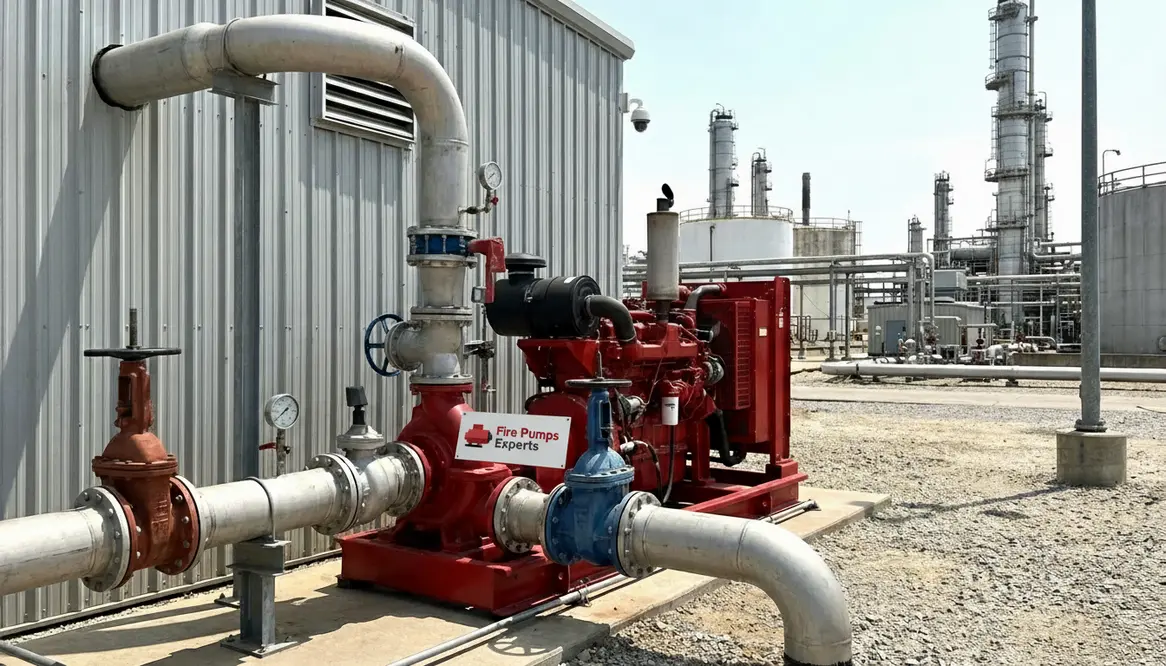
Fire Pump Considerations for Energy Sector Facilities
I have spent years around industrial facilities, and I can tell you this much right away: when it comes to refinery support buildings, nothing gets overlooked faster than fire protection until it is too late. That is why I always bring the conversation back to Fire pump considerations for energy sector facilities. These systems are not just another line item on a construction checklist. They are the quiet guardians, waiting patiently for the one day they are needed most. And when that day comes, they do not get a second chance to perform. So let me walk you through how I approach these systems, with a little practicality, a bit of humor, and just enough gravity to keep us grounded.
What makes refinery support buildings different from typical facilities
Refinery environments are not your average commercial property. You are dealing with volatile materials, complex layouts, and high value operations running around the clock. Therefore, the fire risks are layered and unforgiving.
However, support buildings often get labeled as “secondary,” which is a bit like calling the brakes on your car optional. Control rooms, maintenance shops, and storage structures all play critical roles. If one goes down, the ripple effect can slow or shut operations entirely.
Because of that, I treat these buildings with the same level of fire protection scrutiny as the main processing units. The fire pump system must respond fast, maintain pressure, and handle demand without hesitation. There is no room for “it should be fine.”
Fire pump considerations for energy sector facilities in high risk zones
Designing for the worst day, not the best one
When I evaluate fire pump systems in refinery support areas, I focus on reliability under stress. Not theoretical stress. Real world, everything is going wrong at once stress.
Water supply and redundancy
First, I look at water supply. A dependable source is non negotiable. Whether it is a dedicated tank or a looped system, redundancy matters. If one supply path fails, another must step in immediately.
Pump type selection that respects reality
Next comes pump type selection. Electric pumps are common, but in refinery settings, I often lean toward diesel driven units as a backup or primary option. Why? Because power outages and fire events tend to show up together like uninvited guests at a party.
Pressure control in “small” but critical buildings
Then there is system pressure. Support buildings may seem smaller, yet they often require precise pressure control to protect sensitive equipment. Too little pressure and the system underperforms. Too much and you risk damaging components. It is a delicate balance, like tuning a guitar, except the stakes are significantly higher.
How I design for reliability and long term performance
I approach design like I am building something that I personally have to rely on. Because in a way, someone will.
Accessibility and layout
First, I prioritize accessibility. A fire pump tucked away behind obstacles is not just inconvenient. It is a liability. Maintenance teams need clear, safe access for testing and repairs.
Environmental conditions
Then I consider environmental conditions. Refineries can be harsh, with heat, dust, and corrosive elements. इसलिए, materials and enclosures must withstand these conditions without degrading over time.
Controls, monitoring, and human factors
Additionally, I ensure that controllers and monitoring systems are intuitive. During an emergency, no one wants to decode a complicated interface. Clear signals and straightforward controls make a real difference.
Key Design Focus
- Reliable water source with backup
- Proper pump type selection
- Accessible layout for maintenance
- Durable materials for harsh conditions
Operational Priorities
- Consistent pressure control
- Clear system monitoring
- Routine testing access
- Quick emergency response capability
Smart testing and maintenance keeps systems honest
From decoration to dependable asset
Here is a truth that might sting a little: a fire pump system that is not regularly tested is just an expensive decoration.
So I always emphasize scheduled testing. Weekly churn tests, monthly inspections, and annual flow tests are not just recommendations. They are essential. Moreover, they reveal issues before those issues become headlines.
I also encourage facilities to document everything. Data from tests tells a story. If performance begins to drift, those records help pinpoint the cause early.
And yes, sometimes it feels repetitive. But think of it like going to the gym. You do not always see immediate results, yet when the moment comes, you are glad you put in the work. Unlike skipping leg day, skipping fire pump testing does not just hurt your pride.
Fire pump considerations for energy sector facilities during system integration
Seeing the whole fire protection ecosystem
Integration is where things can quietly go wrong if you are not paying attention. Fire pumps do not operate in isolation. They are part of a larger fire protection ecosystem.
Coordination with alarms, sprinklers, and hydrants
For example, coordination with alarm systems ensures that activation happens without delay. كذلك, integration with sprinklers and hydrants must be seamless. Any mismatch in demand calculations can lead to underperformance.
Control logic that works under pressure
I also pay close attention to control logic. Automated sequences should be simple and reliable. If a system requires too many steps to activate, it risks failing when seconds matter most.
And let me say this plainly: complexity is not sophistication. In fire protection, simple and dependable will always outperform clever and fragile.
Broader Fire pump considerations for energy sector facilities
Fire pump considerations for energy sector facilities extend beyond the refinery fence line. Power generation sites, gas processing plants, and large midstream terminals share similar challenges: harsh environments, essential support buildings, and zero tolerance for extended downtime.
In all of these locations, support buildings house the brains, tools, and logistics that keep production moving. When evaluating upgrades or new projects, treating fire pumps as core infrastructure rather than an afterthought pays off in resilience and regulatory confidence.
If you want to go deeper into design philosophies and reference material, resources such as https://firepumps.org can provide standards-oriented guidance to complement practical field experience.
Conclusion
If you are responsible for a refinery support facility, now is the time to take a hard look at your fire pump system. I encourage you to evaluate performance, reliability, and integration before problems arise. A well designed system protects more than assets. It protects continuity and lives. Connect with experienced professionals who understand these environments and can deliver systems that perform when it counts. Because in this line of work, “good enough” rarely is. Fire pump considerations for energy sector facilities should sit near the top of your priority list, not buried in the back of a specification binder.