Fire Pump Controller Problems in LA Commercial Buildings
In Los Angeles, fire pump controller problems commercial buildings face can turn from a quiet maintenance issue into a full on emergency risk faster than a movie plot twist. I have seen how one small control fault can ripple through a property, stress the system, and put people, assets, and operations on the line. Because commercial and industrial buildings in LA move fast, the fire protection gear must move faster. So, I want to break down the most common controller issues, what they mean, and how I handle them before they grow teeth.
What I look for first in a fire pump controller
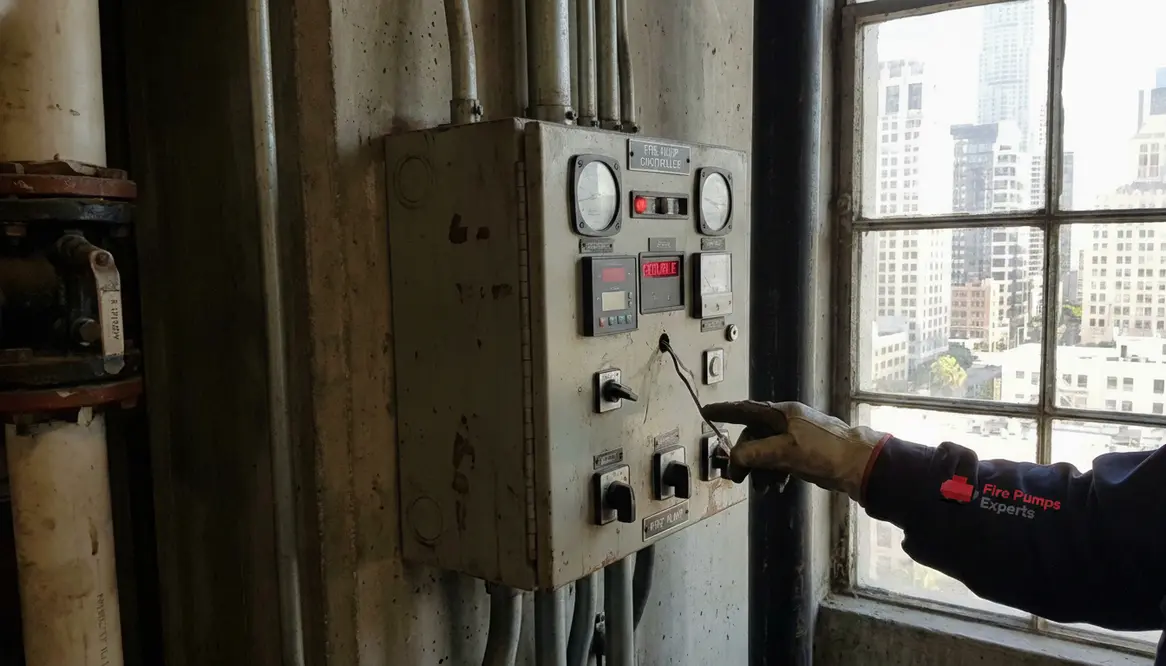
When I inspect a controller, I start with the basics. The panel should power up cleanly, show normal status, and respond the way the system expects. However, I often find loose wiring, weak batteries, dirty contacts, or old parts that have been hanging on like a side character in a long running sitcom.
The controller has one job: start the fire pump when demand rises and keep the system stable. If it hesitates, misreads pressure, or throws a false alarm, the whole building feels it. In large Los Angeles properties, that can mean trouble for tenants, equipment, and compliance. Also, if the panel looks like it has not been touched since the last Star Wars reboot, I know I need to dig deeper.
Why fire pump controller issues happen in Los Angeles
Los Angeles commercial buildings deal with heat, dust, vibration, and heavy electrical use. Therefore, controllers here often age faster than owners expect. Power dips can confuse the control panel. In addition, corrosion can build up in coastal areas, while heat in mechanical rooms can wear down relays and displays.
Another common cause is poor upkeep. A fire pump controller may sit in a back room and look fine from the outside. Yet inside, small faults can stack up. For example, a stuck pressure switch, a bad sensing line, or a tired transfer switch can all keep the controller from doing its job. And yes, it is always the quiet equipment that causes the loudest problems.
How I solve fire pump controller problems commercial buildings run into
I use a clear process. First, I check power, alarms, and run history. Next, I test the sensing line, pressure settings, and start circuit. Then I inspect the motor starter, contacts, and backup power path. Finally, I confirm that the controller matches the pump and building needs.
This matters because fire pump controller problems commercial buildings face rarely come from one issue alone. Often, I find a chain of small faults. A weak battery leads to a bad startup, which leads to a false alarm, which leads to a stressed maintenance team. That is how simple jobs become expensive ones. To keep the system steady, I also watch for:
- Voltage swings that upset the controller
- Worn relays that fail under load
- Dirty pressure switches that read wrong
- Loose terminals that interrupt the signal
- Water damage inside the enclosure
In the middle of a repair, I like to keep one thing in mind: the best fix is the one that stops the next failure too. That is why I do not just reset a panel and call it a day. I want the controller to work when the building truly needs it, not only when it behaves for a quick test. Think of it like a superhero suit. It is nice when it looks shiny, but it must also work under pressure. Otherwise, it is just cosplay with a price tag.
What Los Angeles building owners should watch for
Owners and facility managers do not need to be fire pump experts, but they should know the warning signs. If the controller gives off frequent trouble alarms, fails to start during tests, or shows unstable readings, I treat that as a serious signal. Also, if staff hear odd sounds from the pump room or notice heat, smell, or moisture near the panel, I recommend fast action.
Dual view of risk
Minor issue: A loose wire, a weak battery, or a dirty contact that still allows the system to run.
Major issue: A failed start circuit, damaged control board, or pressure fault that keeps the pump from coming on when demand rises.
That split matters. Small issues may look harmless, but they can build speed fast. On the other hand, major faults often show warning signs first. So, I always tell property teams to act early, document tests, and keep service records current.
What a cost guide can help you plan for
Budget planning matters, especially for large commercial and industrial properties. A useful reference is the fire pump controller cost guide for commercial buildings, because it helps owners understand what can affect repair or replacement costs. For example, controller age, part availability, system size, and labor needs all change the final number.
However, cost should not be the only factor. A cheap fix that fails under real demand is not a bargain. It is a future headache with a business casual smile. I always push for solutions that fit the building, the code needs, and the long term use of the system.
Frequently asked questions on fire pump controller problems commercial buildings face
Conclusion
If your Los Angeles property shows signs of fire pump controller trouble, I recommend acting now, not later. A quick inspection can protect your building, cut downtime, and keep your fire protection system ready for real demand. If you manage a commercial or industrial property, I can help you find the fault, fix it right, and keep it from coming back with a bad sequel.