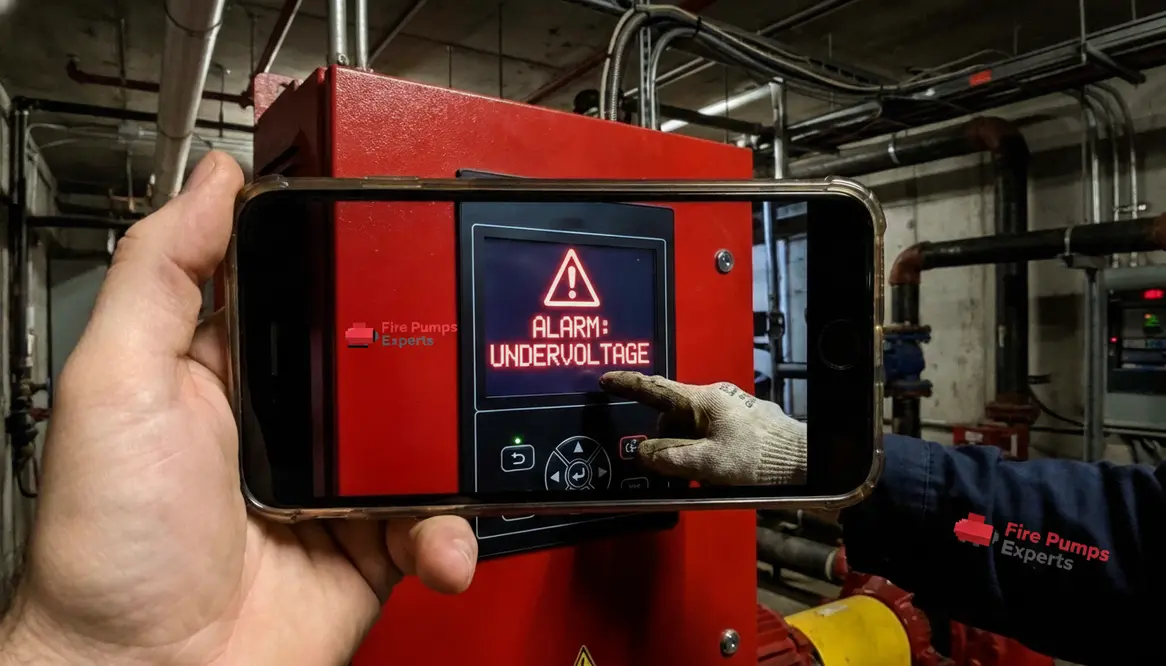
Fire Pump Controller Undervoltage Alarms: Common Causes
I have seen a fire pump controller throw an undervoltage alarm at the worst possible time, and yes, that is exactly as fun as it sounds. In a commercial tower, hospital, warehouse, or other major facility, an electric fire pump must stand ready without drama. When voltage drops, the controller notices fast, because it has to. In this article, I will walk through the common causes, what they mean, and how I approach the problem in real life before it turns into a full site headache.
Why the alarm appears in the first place
An undervoltage alarm means the controller sees power below the level it needs for safe operation. That sounds simple, but the cause often hides deeper in the system. Sometimes the issue comes from the utility feed. Sometimes it starts inside the building. And sometimes, like a villain in a bad movie, the problem shows up where no one expected it.
In a large property, the controller must keep stable power under stress. If the voltage sags, the motor may struggle, the controller may signal alarm, and the pump may not perform as designed. That matters because a fire pump is not decorative. It exists for life safety, not for theater.
Common power supply issues I check first
When I see undervoltage, I first look at the incoming power. Utility problems, loose service connections, and weak transformers often sit near the top of the list. If the supply already runs near the low end, even a small load change can push it down.
Next, I check for voltage drop across the feeders. Long cable runs, undersized conductors, and poor terminations can all cause trouble. In big commercial and industrial sites, distance matters. Electricity does not like a long commute any more than the rest of us do.
How load changes trigger trouble
Large buildings often run heavy equipment at the same time. HVAC systems, elevators, chillers, and production loads can pull the voltage down when they start together. As a result, the controller may see a dip and issue an alarm even if the utility feed looks fine on paper.
Motor starting also plays a role. An electric pump motor draws a large inrush current at startup. If the system already sits near the edge, that surge can trigger an undervoltage condition. So, I always look at the timing of the alarm. If it happens during peak demand, that is a clue worth following.
Controller settings and what they can reveal
Sometimes the equipment is not failing at all. Instead, the controller settings are too tight. If the undervoltage threshold sits too close to the normal operating range, the alarm may trip on harmless dips. That does not mean you should ignore it. It means the system needs a proper review.
I also check for damaged sensing circuits, loose control wiring, and bad relays. A controller can only report what it measures. If the measurement path gives false data, the alarm may mislead you. In other words, the controller is not being dramatic on purpose. It is just the messenger, and the messenger gets blamed every time.
Two column view: the most common causes and what they point to
Cause
Utility sag
Loose connections
Long feeder run
Motor inrush
Weak transformer
Faulty sensing line
What I look for
Sudden drop during peak building demand
Heat marks, flicker, unstable readings
Voltage loss between supply and controller
Alarm during pump start
Low voltage during heavy load
Bad readings or false trips
What I do during inspection and testing
I never stop at the alarm screen. I move through the system step by step. First, I measure incoming voltage at the source and at the controller. Then I compare readings under normal load and during startup. After that, I inspect terminations, breaker condition, feeder size, and any signs of heat or wear.
I also review recent building changes. New equipment, added tenant loads, or altered operating schedules can create a voltage problem without warning. So, I ask questions. What changed? When did it start? Does it happen at the same time each day? Those details often lead straight to the answer.
Where to get support for larger facilities
For commercial and industrial properties, I recommend working with a team that understands both fire protection and electrical systems. If you need a deeper look at pump systems, I suggest reviewing Los Angeles fire pump service support for site level guidance. You can also explore commercial electrical expertise when the issue may involve feeders, connections, or supply quality. For sprinkler related coordination in Australia, fire sprinkler service resources may also help align the larger protection plan.
Los Angeles fire pump service support • commercial electrical expertise • fire sprinkler service resources
FAQ
Conclusion
If your fire pump controller keeps showing undervoltage alarms, treat it as a warning, not background noise. Start with the supply, then move to wiring, load changes, and controller settings. For commercial and industrial facilities, fast action protects uptime and life safety. If you want a deeper review, reach out for a full inspection, because the best alarm is the one that never gets a chance to become a bigger problem.