Fire Pump Design Considerations for Engineers
When I work through fire pump design for a commercial tower, a warehouse, or a major property, I treat it like the quiet hero of the whole fire protection plan. It sits there, mostly ignored, until the day it has to perform like the lead actor in the final scene of a disaster movie. And unlike Hollywood, this system does not get a second take. So I focus on pressure, water supply, code fit, and long term reliability from the start. That is how I keep a building safe, keep the insurer calm, and keep my phone from ringing at 2 a.m. for the wrong reasons.
How I start with water supply and demand
I always begin with the water source, because a pump cannot create water out of thin air. First, I check the available flow and pressure from the city main, tank, or other supply. Then I compare that supply to the sprinkler and standpipe demand for the building. If the source falls short, I know the pump must make up the gap. However, I do not guess. I test, measure, and verify, because a paper plan that looks nice on Monday can fail hard on Friday.
I also study the site risk. A high rise, data center, or large warehouse may need a very different setup than a simple low rise shell. In addition, I look at peak demand, future tenant build outs, and any added load from hose streams or fire department use. That matters because the pump should support real conditions, not just the neat little values on a chart.
What I check in fire pump design
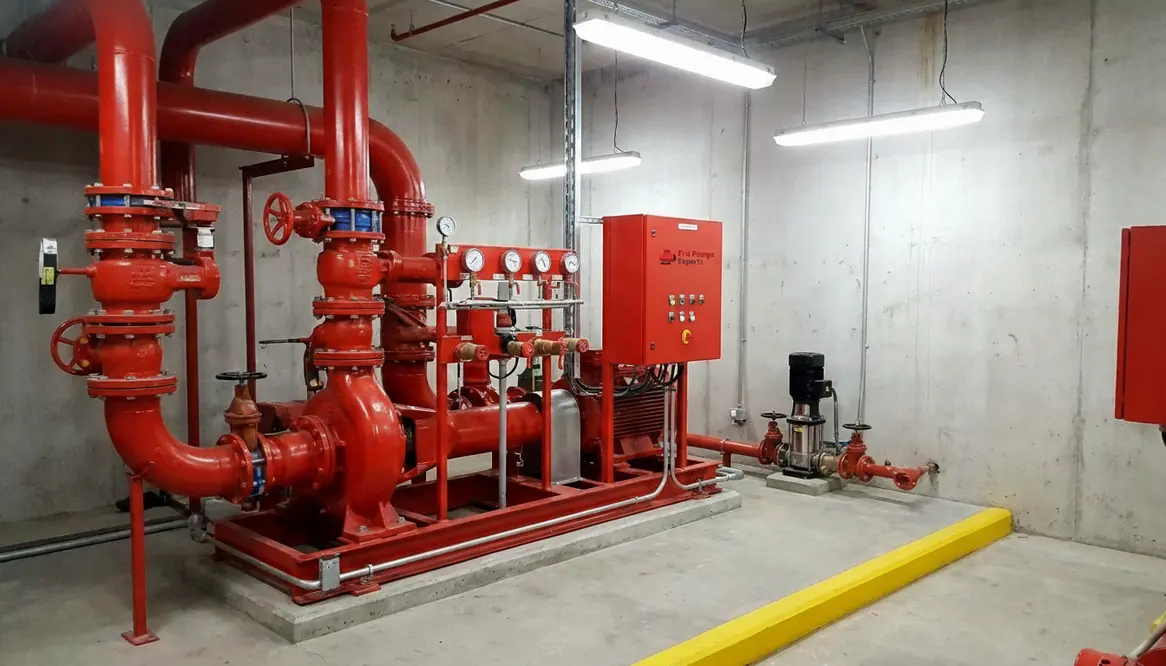
In fire pump design, I look at the pump as part of a whole system, not a lone machine. So I check the suction side, discharge side, control panel, power source, and test setup together. A strong pump with bad piping still gives weak results. Kind of like a superhero with shoes tied together.
Here is how I split the main checks:
Hydraulic side
I confirm the pump curve meets the required flow and pressure at the right operating point.
Physical side
I confirm the layout gives enough space for service, testing, and code clearances.
Electrical side
I confirm the motor, controller, and power feed can handle the load without drama.
Code side
I confirm the design follows the right fire and building rules for the site.
Because of that, I keep the system simple where I can and strong where I must. Also, I avoid overdesign. More power sounds cool, but too much pressure can create damage, noise, and unhappy fittings.
Where pump type and power source matter
I choose the pump type based on the building need and water conditions. Electric pumps work well where power stays reliable and backup systems support the site. Diesel pumps help when power risk is higher or when the project needs a strong independent source. Sometimes I use a package with a jockey pump too, which keeps system pressure steady and reduces wear on the main unit. That small helper may not look glamorous, but neither did R2D2, and look how that worked out.
Next, I think about the power source. If I use electric power, I review the feeder, controller, generator tie in, and emergency supply. If I use diesel, I look at fuel storage, ventilation, starting battery support, and room heat. In both cases, I want the system ready when the building needs it most. Reliability wins every time.
For more in-depth design discussions and reference details, I often cross-check with resources at https://firepumps.org as part of my broader research workflow.
How I design for installation and maintenance
I never treat access as an afterthought. A pump room must let people inspect, test, repair, and replace parts without a wrestling match. Therefore, I leave room for valve movement, controller access, and suction and discharge work. I also make sure the room stays dry, warm enough, and free from random storage. Fire pump rooms are not the place for broken chairs, leftover paint cans, or that mystery box nobody owns.
Just as important, I plan for testing. A fire pump needs regular flow testing, and the design should support that without causing a flood or a shutdown headache. So I include test headers, flow meters, or approved discharge paths based on the project. That way, the team can verify performance without turning the loading dock into a temporary lake.
Why I check standards, records, and future growth
I always review the code basis early, because retrofits cost more than good design. I check local fire rules, building needs, and the required standards for the project type. Then I document the basis of design, assumptions, and test values. Clear records help the owner, the contractor, and the inspector speak the same language, which is rare and beautiful, like a sequel that is actually better than the original.
I also look ahead. A facility may add floors, racks, tenants, or process loads later. If I can plan for growth now, I save trouble later. That means checking spare capacity, room layout, and system flexibility before the concrete sets and everyone suddenly discovers the wall is in the wrong place.
Good planning here means the same pump room can often handle upgrades without ripping out half the infrastructure, especially when the original fire pump design already allowed for realistic future demand.
Focused summary of fire pump design priorities
System performance
Match the pump curve to real building demand, including hose streams and future load, so the fire pump design stays honest under pressure.
Power and reliability
Choose electric or diesel with a clear eye on risk, backup power, and maintenance support, so the system starts when everything else is going wrong.
Access and testing
Design rooms, valves, and headers for painless inspections and full flow tests, not contortionist routines and flooded parking lots.
Documentation and growth
Capture design assumptions and leave room, physically and hydraulically, for upgrades so the next project phase does not start with regrets.
FAQ
Conclusion
If you want a fire pump system that works when it matters, I recommend starting early, checking the water source, and designing for real world use in commercial and industrial facilities. Good fire pump design protects people, property, and operations with less stress later. A thoughtful approach to fire pump design turns that quiet machine in the corner into a dependable partner instead of a question mark. If you need a clear path from concept to final review, I can help you shape a safer, smarter system that fits the building and the code without the usual guesswork.