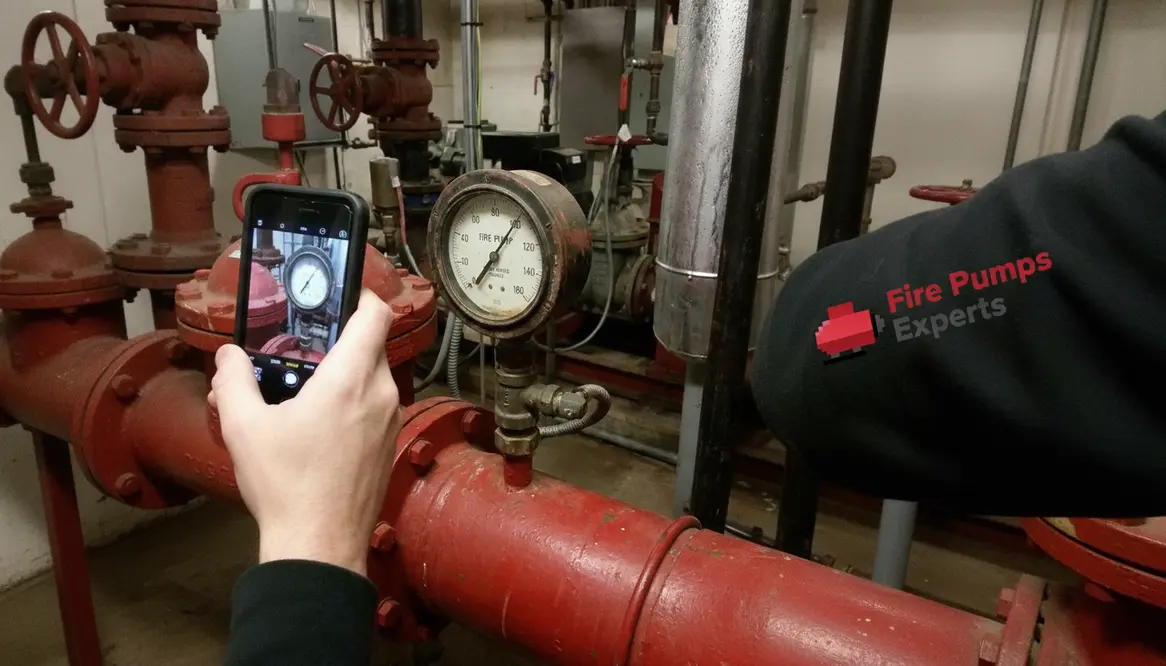
fire pump flow meter misleading test results
I have seen plenty of fire pump flow meter readings that looked neat on paper and still told the wrong story. That is the tricky part. A fire pump flow meter can help with fire pump testing, but if the setup is off, the numbers can fool you fast. And when flow meter accuracy slips, you may think a commercial or industrial system is ready when it is not. That is not a small problem. That is the kind of problem that wakes people up at 3 a.m. and ruins everyone’s week.
In this article, I will walk through why false readings happen, how I check for them, and what I look for before I trust any test result. I will keep it practical, because nobody needs a lecture that sounds like a robot wrote it after three cups of burnt coffee.
Why a reading can look right and still be wrong
Yes, a fire pump flow meter can produce misleading test results. The meter may work fine, but the test conditions may not. For example, air in the line, bad placement, worn sensors, or poor calibration can all bend the result in the wrong direction. Sometimes the issue is simple. Sometimes it is sneaky. Either way, I never assume the first number is the truth.
In fire pump testing, I look at the full setup, not just the meter display. If the meter sits too close to a bend, valve, or disturbance in the pipe, the flow pattern can shift. As a result, the meter may report a value that sounds solid but does not match the real flow. That is why I treat the meter like a witness, not the judge.
What I check before I trust the numbers
I start with the basics. First, I verify calibration. Then I check the meter location, pipe condition, and test method. After that, I compare the result with pump behavior, pressure readings, and the system demand. If one piece looks strange, I dig deeper. A healthy reading should make sense from every angle.
Here are the main things I review:
- Meter calibration date and service history
- Proper straight pipe distance around the meter
- Signs of air, debris, or scale in the line
- Pressure changes that do not match the flow result
- Test procedures used by the team on site
Where building type matters
Also, I pay close attention to the building type. Commercial and industrial facilities need a stronger level of review because their fire protection systems often support larger hazards and more complex layouts. In those settings, a weak test can hide a real problem. That is not drama. That is just math wearing work boots.
A quick reality check
If the flow meter output looks perfect but the pressure behavior seems off, that is usually where the misleading part starts. In other words, fire pump testing is not a single-screen sport.
How setup problems distort fire pump testing
Setup problems can bend results in several ways. For one, turbulence can make the meter underread or overread. In addition, a partially closed valve can create a false flow pattern. Even a small amount of trapped air can throw off the data. The pump may seem fine, but the meter may act like it is reading tea leaves instead of water.
Sometimes the issue comes from the test connection itself. If the discharge path does not match the test plan, then the system may not move water the way the meter expects. Therefore, I always review the entire test path before I accept the final result. A good fire pump test should tell a clean story, not a mystery plot with five twists and a very confused ending.
Spot the flow meter accuracy issues early
Signs I watch for
- Readings that jump around without a clear reason
- Results that conflict with pump pressure curves
- Large gaps between repeated tests
What I do next
- Retest after checking setup and calibration
- Inspect piping and flow conditions
- Compare against a second method if needed
When flow meter accuracy becomes shaky, I do not chase the number. Instead, I chase the cause. That usually saves time and prevents bad decisions. I also like to verify the meter with another test method when the results look odd. It is a bit like checking your map when the GPS says turn left into a lake.
Where I use expert help and trusted references
When I need a deeper look at system design or service needs, I review trusted resources from fire protection specialists. For fire pump system support, I often refer to los angeles fire pump service guidance as a helpful starting point for commercial and industrial properties. In addition, I look at related support from commercial electrical service solutions when control power or equipment issues may affect test results. For broader sprinkler service needs, I also reference fire sprinkler service resources.
These links do not replace field judgment, of course. However, they help me connect the dots when a test looks off and I need a cleaner view of the whole system.
FAQ
Conclusion
I never trust a fire pump flow meter until I have checked the full picture. Misleading results can come from setup, maintenance, or plain old human error. Therefore, I recommend a careful review of every fire pump test, especially in commercial and industrial facilities. If your readings seem off, act early, verify the cause, and protect the system before trouble shows up with a badge and a bad attitude. When in doubt, get expert help and keep the data honest.