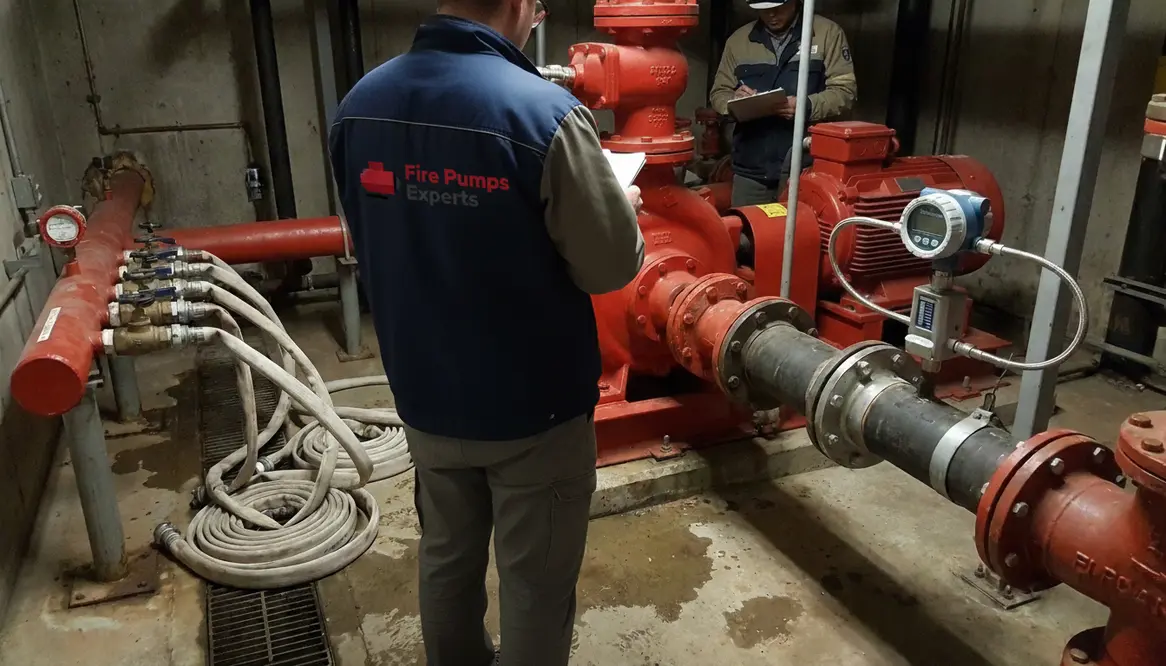
Fire Pump Test Header vs Flow Meter: What I Choose
When I talk about fire pump maintenance, I always start with the basics: the fire pump flow meter, the fire pump test header, and the fire pump flow test itself. These three pieces shape how I verify performance in commercial and industrial buildings, and in major properties where failure is not a drama anyone wants to star in. I have seen enough systems to know this: the test method is not just a technical choice. It affects cost, accuracy, water use, and how long a system stays offline. So, I keep my eye on the building, the risk, and the goal before I pick a method.
In plain terms, I use a fire pump test header when I want a simple, direct discharge path. I use a flow meter when I want a cleaner test with less water waste and less interruption. Both can work well, but they solve different problems. And yes, if the system could talk, it would probably say, “Please pick the option that does not flood the loading dock.”
Fire Pump Test Header: When I Reach for It
I use a fire pump test header when I need to discharge water through the system’s test outlets. This setup works well in many buildings because it is familiar, direct, and easy to understand. The water leaves the pump, passes through the header, and exits through the hose connections. As a result, I can watch how the pump behaves under load without adding much extra gear.
However, I do not treat the test header like a one size fits all tool. It can use a lot of water, and that matters in large properties where drainage, runoff, and utility costs all matter. Also, the setup may not be ideal when the site cannot afford a messy discharge event. Even Batman would look annoyed if I sent hundreds of gallons into the wrong area.
I prefer this method when the site already has the right discharge path, the maintenance team knows the system well, and I want a straightforward test. It gives me a clear read on pump response, pressure, and flow behavior. Still, I always check whether the building can handle the water load before I choose it.
How I Compare Both Testing Methods
| Test Header | Flow Meter Testing |
|---|---|
| Uses discharge outlets and hose connections | Measures flow with a meter and returns water in a controlled way |
| Can use a lot of water | Usually uses less water |
| Simple and familiar | More controlled and often cleaner |
| Good for direct system checks | Good for sites that want less disruption |
Fire Pump Flow Meter: Why I Often Prefer It
I often lean toward the fire pump flow meter because it gives me a controlled test with less waste. The meter measures flow while I keep the discharge managed, which makes the process cleaner and easier to plan. That matters a lot in industrial sites, data centers, warehouses, and large commercial buildings where downtime can get expensive fast.
Another reason I like this method is accuracy. I can measure performance at several flow points without dumping huge amounts of water. Therefore, I get a solid picture of how the pump performs under real demand. That helps me catch weak spots before they turn into a very bad day with sirens and paperwork.
Of course, a meter needs proper setup and calibration. If I use a poorly maintained meter, I do not get clean numbers, and clean numbers are the whole point. So, I always make sure the equipment is in good shape and the test plan fits the site. On a busy property, control is not a luxury. It is the difference between a smooth check and an irritated facilities team.
How I Decide Which Test Fits the Building
I do not pick the method by habit. I pick it by need. First, I look at the property type. For major commercial and industrial facilities, I think about water disposal, access, and how much disruption the test will cause. Then I look at the pump design and the local conditions. Some sites can handle a test header with no trouble. Others need the quieter path of a meter test.
Next, I look at the goal of the inspection. If I want a basic operational check, the header may do the job well. If I need a tighter performance check with less water use, the flow meter usually wins. Also, I consider the team on site. A good maintenance staff can support either method, but the easier the plan, the better the day tends to go. That is just common sense dressed up in work boots.
What I Check Before a Fire Pump Test
Before I start any fire pump flow test, I review a few key points:
- I confirm the pump type and system layout
- I check the discharge path and drainage plan
- I verify the meter or header setup
- I confirm the site can stay safe during the test
- I make sure the test supports the building’s fire protection plan
I also like to review the broader service picture. For example, I often point teams toward los angeles fire pump service support when they need help with system care, and I use electrical system support for commercial facilities when power and controls need attention. For properties that need sprinkler related work, commercial sprinkler service guidance can also help keep the full system aligned. In my experience, these pieces work best when they support one another, not when they act like roommates who never talk.
FAQ
Conclusion
I see fire pump testing as a practical choice, not a guess. When I compare the fire pump test header with flow meter testing, I focus on site needs, water control, and performance goals. If your building needs a clear test plan for a commercial or industrial facility, I can help you choose the right method and keep the process smooth. Reach out, and let me help you protect the property with a test approach that works.