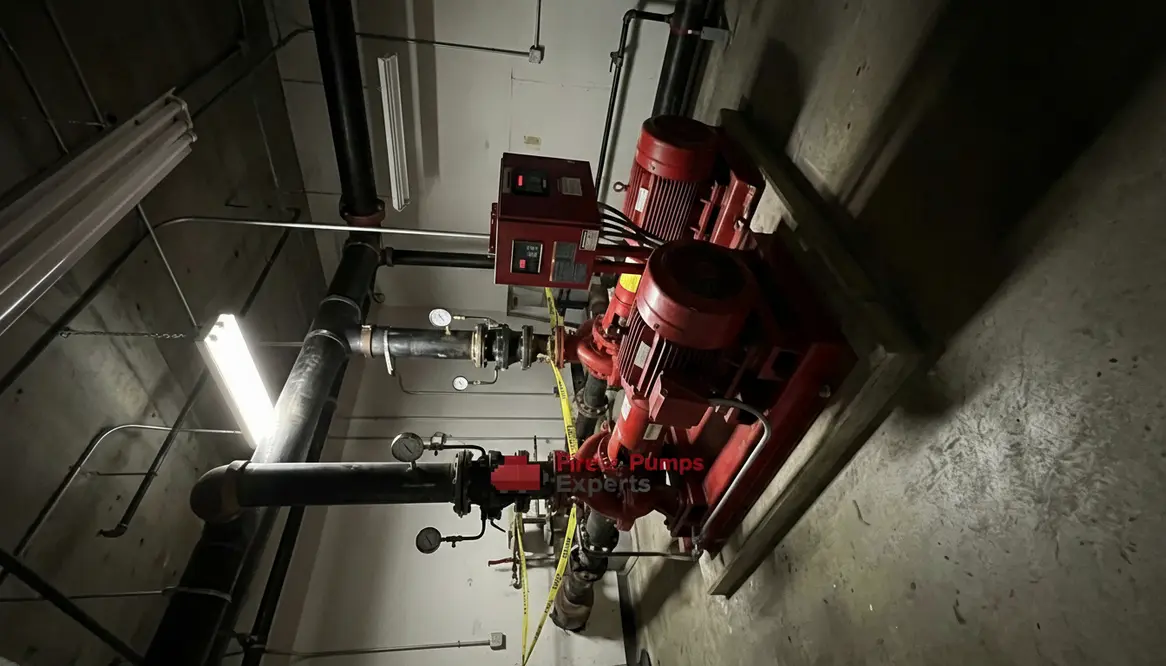
Fire Pump Function in Fire Protection Design
Fire Pump Role in Fire Protection Engineering
I have spent a good part of my career looking at buildings that most people never think about twice. Massive distribution centers. Towering office blocks. Industrial plants humming with energy. Each one feels calm and safe on the surface. Yet behind the walls sits a quiet system waiting for the worst day imaginable. At the center of that system is the fire pump.
When engineers discuss the fire pump function in fire protection design, we are really talking about the heartbeat of a building’s suppression system. Sprinklers and standpipes may look like the stars of the show. However, without pressure and flow, they are just metal pipes having an identity crisis. A properly engineered pump ensures that water moves fast, strong, and exactly where firefighters and sprinklers need it. Think of it as the unsung stage manager of a Broadway production. Nobody applauds it directly. Still, if it fails, the entire show falls apart.
So let me walk you through how it works, why it matters for commercial and industrial facilities, and why the right design can make the difference between a controlled incident and a disaster.
Understanding the Fire Pump Function in Fire Protection Design
First, let us talk about the simple truth engineers face every day. Many large buildings cannot rely on city water pressure alone. Municipal systems often provide enough pressure for daily use like sinks, cooling towers, or that office coffee machine that somehow never gets cleaned. Yet fires demand far more water and far more force.
This is where the fire pump function in fire protection design becomes essential. The pump increases water pressure so suppression systems can perform exactly as intended.
In large commercial and industrial properties, several conditions create the need for fire pumps.
- Tall buildings where water must travel many floors upward
- Large warehouses requiring high flow sprinkler systems
- Facilities with special hazards such as manufacturing processes
- Sites where city water pressure remains too low during emergencies
Because of these factors, engineers design pump systems that activate automatically when pressure drops. Once the system detects that drop, the pump springs to life and drives water into the network of pipes feeding sprinklers and standpipes.
In other words, the pump turns a passive system into an active defender. It waits quietly for years, then suddenly performs like an action hero in the final act of a movie.
Reliable performance depends on thoughtful engineering, careful commissioning, and regular testing, all wrapped around the core fire pump function in fire protection design that keeps water moving when the stakes are highest.
Key Drivers for Fire Pump Demand
- Insufficient municipal water pressure
- Extended piping networks in sprawling campuses
- High hazard occupancies with demanding sprinkler designs
- Need to support standpipes at upper floors
What Happens Without a Pump
- Sprinklers that cannot reach design density
- Standpipes that leave upper floors under-supplied
- Delayed or ineffective fire control
- Increased risk to life safety and operations
How Engineers Decide When a Fire Pump Is Necessary
Design decisions rarely come from guesswork. Engineers analyze water supply data, building height, hazard classification, and system demand before determining whether a pump is required.
However, one rule appears again and again. If the available water supply cannot meet both pressure and flow requirements, a fire pump becomes part of the strategy.
For major commercial and industrial buildings, this calculation becomes serious business. A distribution center may require thousands of gallons per minute to feed large area sprinkler systems. Meanwhile, a high rise office building needs pressure strong enough to reach the top floor standpipes.
Therefore, engineers review several critical factors.
- Available municipal water pressure
- Hydraulic demand from the sprinkler system
- Building height and standpipe requirements
- Redundancy expectations for mission critical facilities
Once these numbers enter the equation, the fire pump function in fire protection design becomes a calculated engineering decision rather than a guess.
And yes, there are spreadsheets involved. Many spreadsheets. Enough spreadsheets to make even the bravest engineer reach for another cup of coffee.
At this point, smart owners often bring in specialists who live and breathe pumps, testing, and compliance, partnering with fire protection firms that understand how to translate the math into reliable equipment and maintenance programs over the life of the building.
Why Large Commercial and Industrial Buildings Depend on Fire Pumps
Commercial campuses, logistics hubs, data centers, and manufacturing plants operate on a scale that smaller buildings rarely experience. Because of that scale, suppression systems must deliver enormous volumes of water in a short amount of time.
Consider a modern warehouse. These buildings often stretch across hundreds of thousands of square feet with storage reaching impressive heights. High challenge storage creates intense fire loads, and sprinkler systems must respond immediately.
As a result, the fire pump function in fire protection design ensures that water arrives with the pressure required to penetrate heat and reach burning materials quickly.
Industrial facilities face another challenge. Some processes involve flammable liquids, specialized machinery, or continuous operations where downtime costs millions. In these environments, fire protection becomes part of business continuity.
Consequently, a well designed pump system provides reliability that owners and risk managers rely on. When insurance engineers evaluate a property, they often look closely at pump capacity, testing procedures, and redundancy.
In short, the pump protects more than the building. It protects operations, employees, and the long term stability of the organization itself.
What Fire Pumps Deliver
- Higher water pressure
- Reliable flow for large sprinkler systems
- Support for standpipe systems
- Consistent performance during emergencies
Where They Matter Most
- High rise commercial buildings
- Distribution and logistics centers
- Manufacturing plants
- Large mixed use properties
Without this added pressure and flow, even the most advanced sprinkler layout becomes little more than decorative plumbing. And that is not the kind of interior design any building owner wants.
What Happens Inside a Fire Pump System During an Emergency
Let me paint the picture.
A fire begins somewhere inside a large commercial facility. Heat activates a sprinkler head, releasing water. Immediately, pressure in the piping drops.
That pressure change triggers the pump controller. Within seconds, the pump motor starts and accelerates to full speed. Water rushes from the supply source through the pump and into the fire protection network.
Suddenly, the system delivers powerful flow across multiple sprinklers or standpipe outlets.
This sequence illustrates the true fire pump function in fire protection design. The pump does not wait for a human decision. Instead, it reacts automatically, ensuring suppression begins immediately.
Furthermore, modern systems include monitoring equipment that reports pump status to building management and fire alarm systems. That visibility helps maintenance teams confirm readiness long before an emergency occurs.
And honestly, that reliability brings peace of mind. Engineers sleep better knowing the system will perform exactly as designed when it matters most.
Design Considerations That Separate Good Systems From Great Ones
Installing a pump alone does not guarantee success. The surrounding design decisions determine how well the system performs.
Engineers must evaluate suction supply, pump room layout, electrical reliability, and testing access. Each element supports the overall fire pump function in fire protection design and the building’s long term resilience.
For example, pump rooms in commercial facilities must allow safe maintenance and inspection. Equipment spacing, ventilation, and drainage all matter. Additionally, backup power sources often support electric pumps in critical facilities.
Then comes the testing process. Fire pumps require regular flow testing to verify performance. During these tests, technicians simulate demand conditions to confirm the pump still delivers its rated capacity.
Think of it like a rehearsal before opening night. Actors practice their lines. Musicians tune their instruments. Likewise, engineers test pumps to ensure everything performs flawlessly when the curtain rises.
Because in fire protection engineering, failure during the real performance simply is not an option. That is why many owners rely on specialized service providers for inspection, repair, and certification, especially for regulated tests such as Los Angeles Regulation 4 fire pump evaluations and comprehensive fire pump system service across complex portfolios.
When these design, installation, and maintenance pieces line up, the fire pump function in fire protection design becomes more than a concept on paper. It turns into a dependable, measurable capability that protects people and property every hour of every day.
Frequently Asked Questions
The following questions often come up when owners, facility managers, and engineers talk through the fire pump function in fire protection design and day-to-day operations.
Conclusion
Behind every reliable fire protection system stands thoughtful engineering and the steady power of a well designed pump. The right approach to the fire pump function in fire protection design ensures that commercial and industrial buildings stay protected when emergencies strike.
If you manage or design large properties, now is the time to evaluate your system and ensure it performs exactly as intended. Confirm that pressure and flow match your hazards, that your pump room supports safe maintenance and testing, and that your inspection program keeps the equipment ready for its moment on stage.
After all, preparation today quietly protects everything tomorrow, and a well executed fire pump function in fire protection design may be the difference between a brief incident report and a headline nobody ever wanted to read.