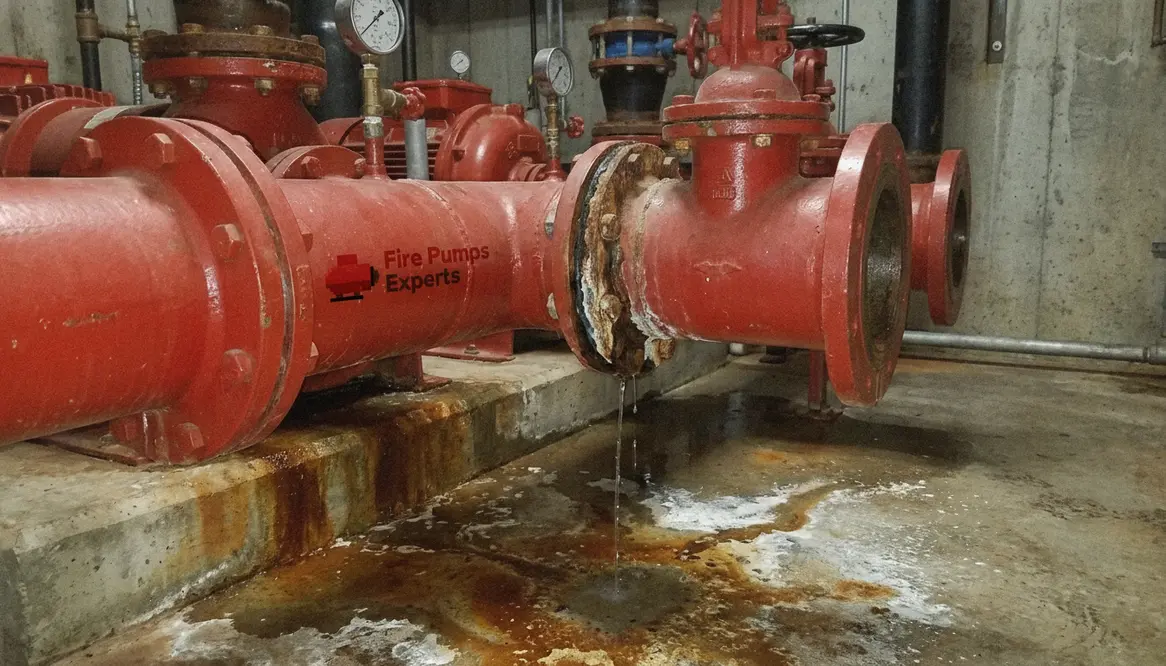
Fire Pump Header Leakage: Causes and Maintenance Concerns
When I look at fire pump test header issues, I do not treat a small leak like a small thing. In fire pump testing, even a drip can point to wear, poor fit, or pressure trouble that can grow fast. And with fire pump maintenance, I have learned that the quiet problems are often the ones that bite first. In a commercial tower, a plant, or a large industrial site, the pump room should feel like a calm backup plan, not a scene from a bad disaster movie.
In this article, I will walk through what causes header leakage, how I spot the warning signs, and what I do to keep a fire pump system ready for real duty.
Quick Reality Check
A header leak can start small, but it almost never stays cute for long. Treat it like a signal, not a nuisance.
Why the Header Starts Leaking
I usually start with the basics. A fire pump test header can leak for several simple reasons, and the first one is often worn gaskets or bad seals. Over time, heat, pressure, and plain old age can make those parts lose their bite. Also, if the header threads or flange faces are damaged, water will find a way out. Water has patience. It always does.
Next, vibration can loosen fittings. Fire pumps work hard, and that movement can slowly shake connections apart. In addition, poor installation can leave gaps from day one. If the header was not aligned well, stress builds up and the leak shows up later, usually when nobody feels like dealing with it.
Signs I Check Before the Leak Gets Worse
When I inspect a system, I do not wait for a full spray to call it a problem. Instead, I look for rust streaks, white mineral marks, damp joints, and odd sounds during test runs. If I see staining on the concrete or a wet patch near the header, I pay attention right away.
I also watch for pressure loss during fire pump testing. If the pressure drops faster than expected, the header may be bleeding off water. That can hurt the system’s performance and make the test results look messy. Nobody likes messy results. Not in a test log, and not in a building that depends on that pump.
Common Causes I Find During Inspection
Mechanical wear
Gaskets dry out, seals flatten, and fasteners loosen over time.
Bad alignment
A crooked header puts stress on joints and fittings.
Excess vibration
Pump movement can open small gaps at the connections.
Corrosion
Moisture and age can damage metal surfaces and threads.
Pressure spikes
Sudden changes can push weak points to fail.
Installation errors
A rushed setup often leaves hidden problems for later.
How I Handle Maintenance the Right Way
Good fire pump maintenance starts with a clean inspection routine. I tighten fasteners to the proper spec, replace worn gaskets, and check for cracks or pitting on the header body. Then I confirm the system sits level and the supports carry the load the way they should.
After that, I review the test history. If the same fitting leaks again and again, I treat it like a repeat offender, not a one time accident. Sometimes the answer is a part swap. Other times, the problem sits deeper in the piping layout. Either way, I keep digging until I find the cause.
What This Means for Commercial and Industrial Sites
For major properties, a header leak is not just a maintenance note. It can affect readiness, code compliance, and long term reliability. In a warehouse, a data center, or a high rise, the fire pump has one job when things go sideways: deliver water fast and without drama. The header must stay tight so the system can pass tests and stay ready.
I also think about how the leak affects the rest of the fire protection setup. If the pump room shows leaks, the team may need to coordinate with electrical checks, control systems, and sprinkler support equipment. For a broader view, I often compare notes with commercial electrical systems support and fire sprinkler service coordination so the whole protection plan stays in sync. It is a bit like assembling a serious team in an action film. Everyone has a role, and nobody gets to sleep on the job.
How I Reduce Repeat Leakage
I focus on prevention before the next test day rolls around. First, I schedule routine checks at set intervals. Then I keep spare seals, gaskets, and approved fittings ready for fast repairs. I also make sure the pump room stays dry and clean, because moisture and grime invite corrosion like a bad sequel nobody asked for.
When needed, I also use a proper service partner for larger systems, especially across commercial sites that need a steady hand. For a local reference, I would point teams to los angeles fire pump service support for more system guidance. A tight header, after all, is not luck. It is care, checking, and a little respect for the pressure.
Make Fire Pump Testing Read Like a Clean Report
If the header is bleeding off water, fire pump testing can turn into guesswork fast. That is why I watch for pressure loss, damp joints, and repeat patterns in the same location. When the leak is handled, the system behaves more consistently and the documentation stops looking like a mystery novel.
Fire Pump Maintenance That Actually Prevents Headaches
Strong routines in fire pump maintenance keep wear from becoming failure. Tighten to spec, inspect for cracks and pitting, confirm alignment, and verify supports are doing their job. Then, if something starts to repeat, you do not shrug. You track it down until the header earns back its reputation for staying tight.
FAQ
Conclusion
If I find fire pump header leakage, I do not shrug it off and hope for the best. I inspect it, fix the cause, and confirm the system stays ready for duty. For commercial and industrial facilities, that is the standard that protects people, property, and peace of mind. If your header shows any sign of trouble, act now, schedule a full inspection, and keep your fire pump system honest, tight, and ready when it matters most.