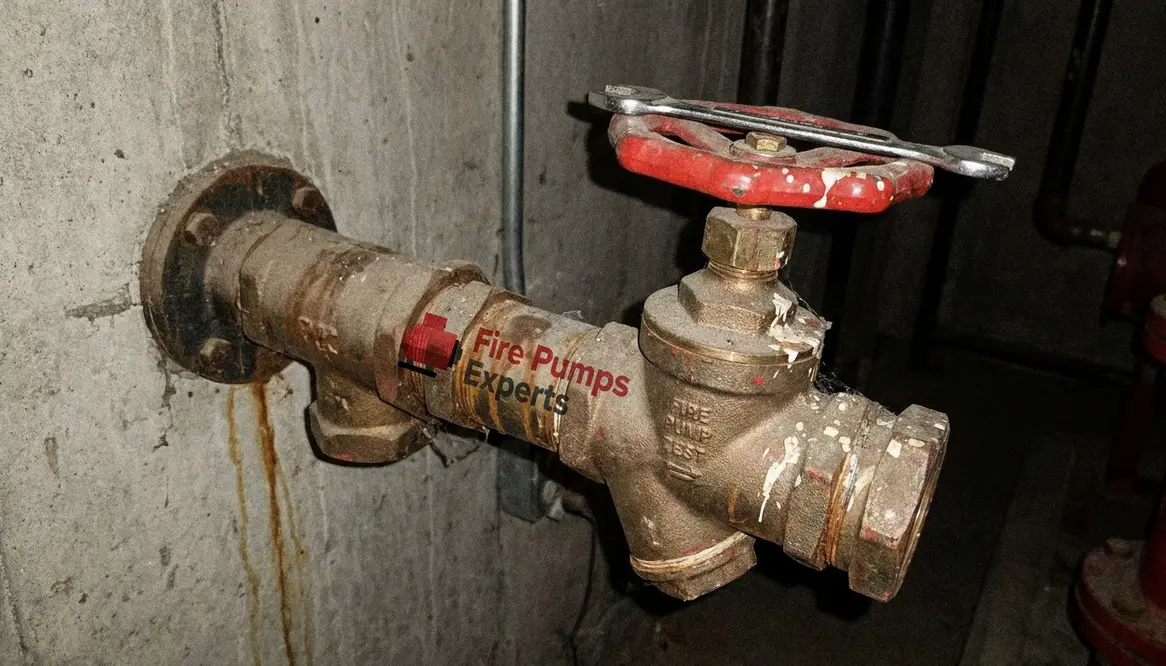
Why Fire Pump Test Header Valves Are Hard to Turn
I have seen plenty of fire pump test header setups in commercial and industrial buildings that looked fine at a glance, yet acted like they had a grudge against the next person who tried to use them. In many cases, the hose valve turns stiff because the system has not had steady care, and fire pump maintenance slipped down the list. That sounds small, until a valve will not move when the system needs a clean test. Then the whole room gets quiet, and nobody wants to be the person holding the wrench like it is a prop from a bad action movie.
In major properties, I treat valve trouble as a warning sign, not a random annoyance. The issue usually grows slowly, and that is why it catches teams off guard. So, let me walk through the real causes, the hidden damage, and the fixes that keep these systems ready for serious duty.
What makes a fire pump test header valve seize up?
Most of the time, the answer is simple wear mixed with neglect. These valves sit in a rough spot. They face moisture, dirt, vibration, and long periods without movement. Over time, scale builds inside the body, the stem dries out, and corrosion starts to lock parts together. I have also seen valves get painted over during building work, which is a classic “we fixed it” move that really means “we glued it shut with good intentions.”
Temperature swings make things worse. As metal expands and contracts, tiny gaps change shape. Then debris gets trapped, and the valve starts to drag. If the site uses the equipment only during scheduled tests, the parts can stiffen simply from lack of use. In short, a valve that never moves tends to forget how to move. Kind of like a treadmill in a storage room.
How poor fire pump maintenance adds friction
When fire pump maintenance falls behind, I often see the same chain of events. First, no one cycles the valve often enough. Next, packing dries out and threads lose smooth action. After that, rust forms where you cannot easily see it. Finally, someone shows up for a test and has to force the handle, which can damage the stem or seat.
Maintenance gaps also hide small leaks. Even a slow drip can leave mineral residue around the valve. That residue hardens like old cement and makes the valve harder to turn. In large commercial and industrial sites, this becomes a bigger problem because systems may sit in long runs, remote areas, or exposed spaces where dust and moisture do their little dance together.
Common causes of hard to turn valves
Here are the main reasons I find during inspections:
- Corrosion on the stem, threads, or internal parts
- Debris, scale, or sediment inside the valve body
- Dry packing or worn seals
- Paint, tape, or added material blocking movement
- Missed exercise cycles that let parts stick
- Damage from over tightening or rough handling
Each issue may seem small on its own. However, when two or three show up together, the valve can go from stiff to stubborn fast. That is why a problem at the fire pump test header should never be brushed off as “just a little resistance.” The system is trying to tell you something, and it rarely whispers for long.
What I check during an inspection
When I inspect a difficult valve, I start with the outside and work inward. First, I look for corrosion, paint, leaks, and physical damage. Then I check whether the valve stem turns smoothly or binds at certain points. After that, I look for signs of water staining, residue, and bad sealing. If a valve feels rough, I do not assume the problem is only surface level.
Here is where the job gets smarter than the average guess. I also compare the issue with the full system condition. If several valves feel stiff, the root cause may be site wide water quality, poor cycling, or weak service routines. For commercial and industrial facilities, this matters because one weak point can hint at a bigger pattern.
How I keep valves ready in busy facilities
To keep these valves easy to operate, I focus on simple habits that work. First, I make sure valves get exercised on schedule. Second, I keep the area clean and dry when possible. Third, I inspect for leaks before they harden into trouble. Fourth, I replace worn packing and damaged parts before the valve starts fighting back.
It also helps to keep records. A valve that got harder over six months tells a different story than one that suddenly seized after nearby construction. Good notes help teams spot patterns early. And yes, that boring logbook does matter. It may not have the glamour of a Marvel post credit scene, but it saves time and stress later.
Dual column view: symptoms and likely causes
| Symptom | Likely cause |
|---|---|
| Hard turn at the start | Dry packing or early corrosion |
| Sticky movement halfway | Internal scale or debris |
| Valve will not close fully | Seat damage or thread wear |
| Handle feels loose but rough | Stem wear or internal binding |
Where to get help for commercial systems
If you manage a large building, a warehouse, or an industrial site, I recommend using a team that understands fire pump systems in detail. You can review los angeles fire pump service for local support, and you can also explore fire sprinkler system support for major properties and electrical services for commercial facilities when your site needs wider building support. These systems often work together, so a problem in one area can affect the whole safety picture.
FAQ
Conclusion
I never treat a difficult valve as a small nuisance, because it often points to a bigger maintenance issue already growing inside the system. If your fire pump test header valve or hose valve feels stiff, now is the time to act. Review the equipment, tighten your fire pump maintenance routine, and bring in qualified support before the problem turns into downtime. In commercial and industrial facilities, readiness is not a luxury. It is the whole point.