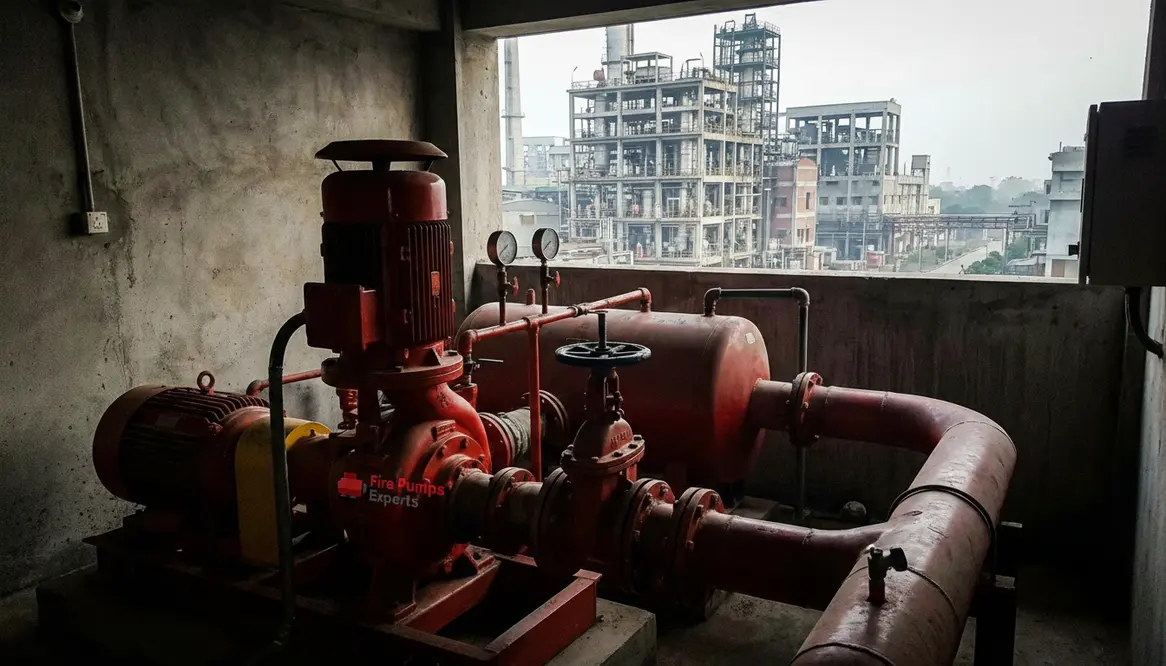
Fire Pump Low Pressure India Systems Guide
I have spent enough time around pump rooms to know this simple truth: water behaves like a diva when pressure drops. It shows up late, leaves early, and refuses to perform when you need it most. In many parts of India, that reality is not just inconvenient, it is critical. That is exactly where fire pump low pressure India systems step in, quietly doing the heroic work no one applauds until something goes wrong. And trust me, when fire safety fails, it is not a small scene from a sitcom. It is more like a full scale disaster movie, minus the background music.
Why Low Water Pressure Is a Serious Risk for Commercial Properties
Low municipal pressure is not rare across industrial zones and large commercial complexes in India. In fact, it is expected. However, fire protection systems are not designed to “hope for the best.” They demand consistency.
When pressure dips, sprinkler systems struggle to discharge water at the required density. Consequently, hydrants lose their reach, and response times stretch longer than anyone would like. I have seen systems that look perfect on paper but fail under real conditions simply because incoming pressure was unreliable.
Therefore, relying on municipal supply alone is like trusting your Wi Fi during a thunderstorm. It might work, but would you bet your entire building on it?
How Fire Pump Systems Compensate for Low Pressure
A well designed fire pump does not just move water. It transforms a weak supply into a reliable force. Think of it as giving your system a strong backbone.
These pumps draw water from static sources such as tanks or reservoirs and boost it to the pressure required for firefighting operations. Moreover, modern systems include jockey pumps to maintain baseline pressure and prevent unnecessary starts.
As a result, the system stays primed and ready. No hesitation. No drama. Just performance.
And yes, it is a bit like having a backup generator. You hope you never need it, but when you do, it better not be on a tea break.
fire pump low pressure India systems in High Demand Zones
Industrial corridors, high rise commercial towers, data centers, and manufacturing plants all face the same pressure challenge. However, the stakes differ. A data center cannot afford downtime. A manufacturing plant cannot risk equipment loss. A commercial tower cannot compromise occupant safety.
Because of this, fire pump low pressure India systems are not optional upgrades. They are foundational infrastructure. Additionally, compliance with fire safety codes often requires specific pump capacities and redundancy setups.
I often tell clients this: if your building has elevators, server rooms, or heavy machinery, then your fire system should be equally serious. No shortcuts. No guesswork.
What Should I Look for in a Fire Pump System for Low Pressure Areas?
Good question. And one I hear often.
First, capacity matters. The pump must meet flow and pressure requirements based on hazard classification. Next, reliability is everything. Diesel driven pumps provide backup when power fails, which, let us be honest, is not unheard of.
Also, control panels should be intelligent enough to handle fluctuations without constant manual intervention. Finally, installation quality can make or break the system. Even the best pump will underperform if installed poorly.
Key Features
- High efficiency pump curves
- Automatic pressure maintenance
- Redundant power options
- Durable materials for long life
Common Pitfalls
- Undersized pump selection
- Poor suction design
- Lack of regular testing
- Ignoring pressure fluctuations
In short, details matter. And in fire safety, details are everything.
Design Considerations That Actually Make a Difference
I have seen projects where the pump was perfect, yet the system failed. Why? Because design is not just about the pump itself.
Pipe sizing, layout efficiency, and suction conditions all play a role. Moreover, elevation changes in large buildings can impact pressure distribution. Therefore, engineers must account for friction loss, peak demand, and simultaneous usage scenarios.
Another overlooked factor is testing. Regular performance testing ensures the pump delivers what it promises. Otherwise, you are trusting a system that has not proven itself.
It is a bit like owning a sports car and never driving it above 40. Looks impressive, but you have no idea what it can really do.
fire pump low pressure India systems and Long Term Reliability
Reliability is not built overnight. It comes from consistent maintenance, proper installation, and smart monitoring.
Facilities that treat fire systems as living infrastructure tend to perform better. They test regularly, log performance, and address issues early. On the other hand, neglect leads to silent failures.
Additionally, environmental factors such as temperature, humidity, and water quality can affect pump components. Therefore, choosing corrosion resistant materials and planning for service access becomes essential.
Over time, a well maintained system becomes part of the building’s backbone. Quiet. Dependable. Always ready.
For technical references and deeper design criteria, resources such as https://www.firepumps.org can be useful, especially when planning or reviewing fire pump low pressure India systems for complex facilities.
FAQs
Before selecting or upgrading fire pump low pressure India systems, it helps to clear up a few recurring questions that facility teams and owners typically raise.
Final Thoughts That Actually Matter
If your facility depends on consistent fire protection, then settling for weak pressure is not an option. The right system turns uncertainty into control. It replaces guesswork with confidence. So take a closer look at your setup, ask the tough questions, and invest where it counts. Because when it comes to safety, the only acceptable performance is one that shows up strong every single time.